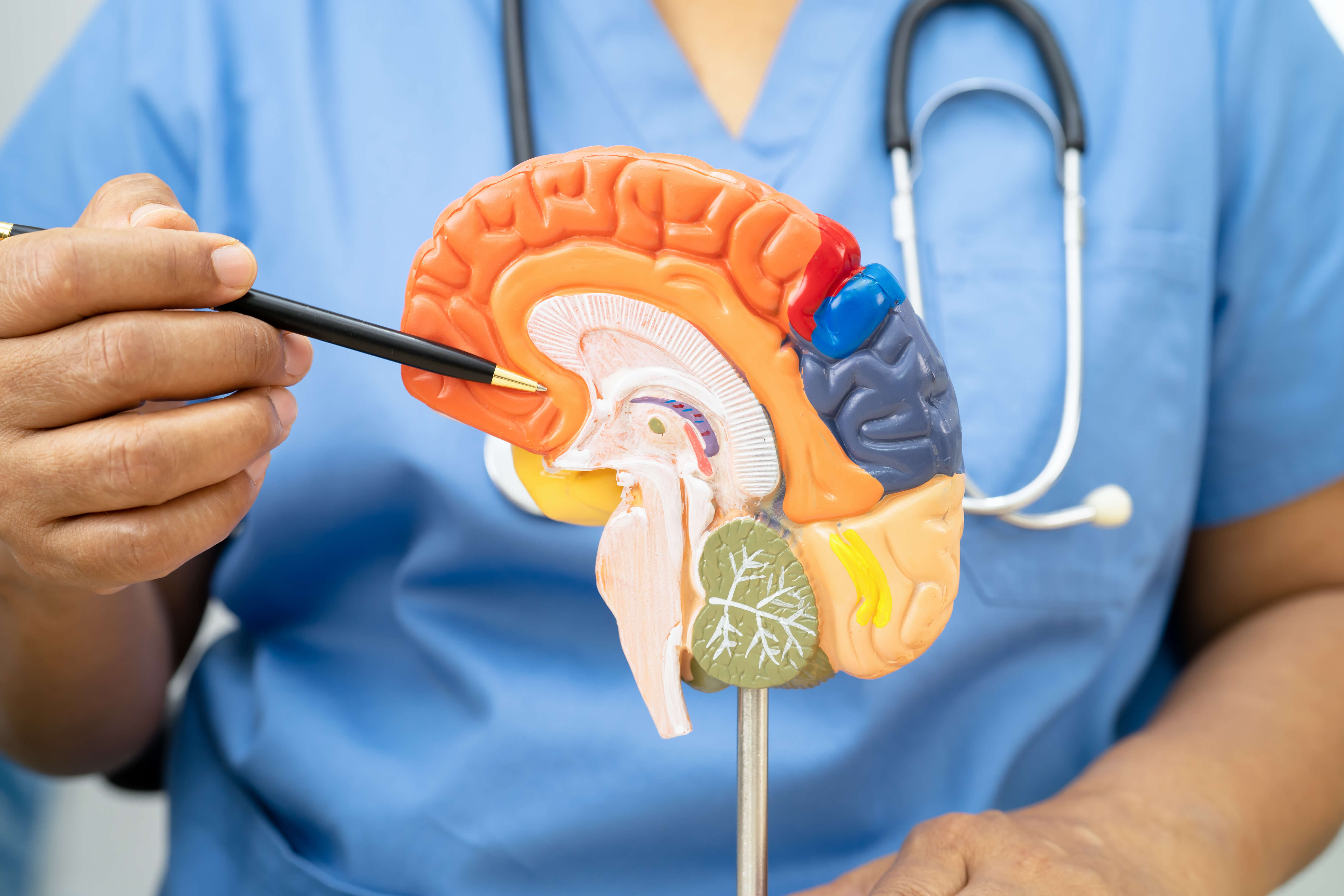
World Brain Tumour Day: Know 8 Interesting Facts About the Human Brain
By: ImpactGuru
Published On: June 07, 2025
Did you know?
The human brain is actually faster than a traditional supercomputer!
That squishy, walnut-shaped wonder inside our head can perform up to 100 trillion operations per second. That’s like binge-watching every show ever made, solving a Rubik’s Cube with our eyes closed, and remembering our email password, all at once.
Source: Envato
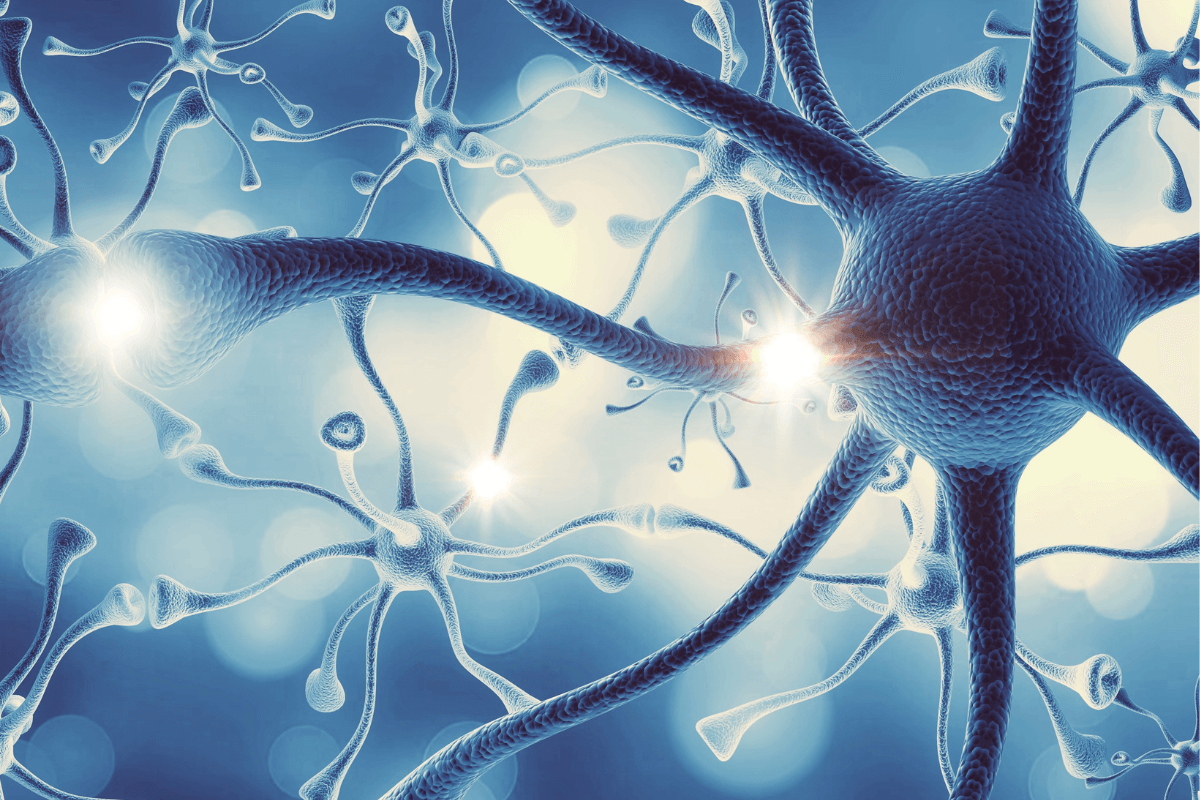
This is because the brain's processing power is distributed across billions of neurons and trillions of connections (synapses), allowing for parallel and decentralised computation. The brain achieves this level of processing with relatively easy and low energy consumption. This gives the brain certain advantages over traditional supercomputers in tasks that require complex reasoning and understanding.
Impressive, right?
Keep reading!
As we acknowledge World Brain Tumour Day on June 8th, ImpactGuru brings you
8 fascinating facts about the human brain. But before that, let’s review the basics and learn what actually causes a brain tumour.
How Do Brain Tumours Develop?
Tumours in the brain develop when cells in or around the brain change their DNA (the genetic material that guides how cells function). These changes cause the cells to grow uncontrollably and survive longer than they should, avoiding the natural process of cell death. Ultimately, this abnormal buildup of cells forms a mass known as a tumour.
These tumours can be benign (non-cancerous) or malignant (cancerous). And, while some of these tumours grow rapidly, others develop more slowly.
Source: Canva Pro
Research indicates that roughly one-third of brain tumours are cancerous. However, regardless of whether they are cancerous, any brain tumour can impact brain function and overall health if it grows large enough to exert pressure on surrounding nerves, blood vessels, or brain tissue. This pressure can ultimately influence a person’s thoughts, emotions, and physical movements.
Though it's still uncertain what causes these DNA changes that lead to brain tumours, here are some of the known reasons:
1 Genetic syndromes – Inherited disorders or diseases often carry mutations that affect cell growth and repair. Neurofibromatosis, Li-Fraumeni syndrome and von Hippel-Lindau disease are some of these genetic syndromes.
2. Family history – While hereditary brain tumours are rare, having blood relatives with the same condition can be a factor.
3. Age – Like many diseases, the risk of developing a brain tumour can vary according to age. For instance, certain tumours, like medulloblastomas, are more common in children, while others, such as glioblastomas, are seen more frequently in older adults.
Source: Canva Pro
4. Exposure to ionising radiation – High doses of radiation to the head, often from medical treatments, can increase the risk. This radiation is strong enough to cause DNA changes in the body's cells. Examples of ionising radiation include radiation therapy used to treat cancer and radiation exposure caused by atomic bombs.
5. Environmental or occupational hazards – Long-term exposure to industrial chemicals or heavy air pollutants is currently under study for their possible links to brain tumours.
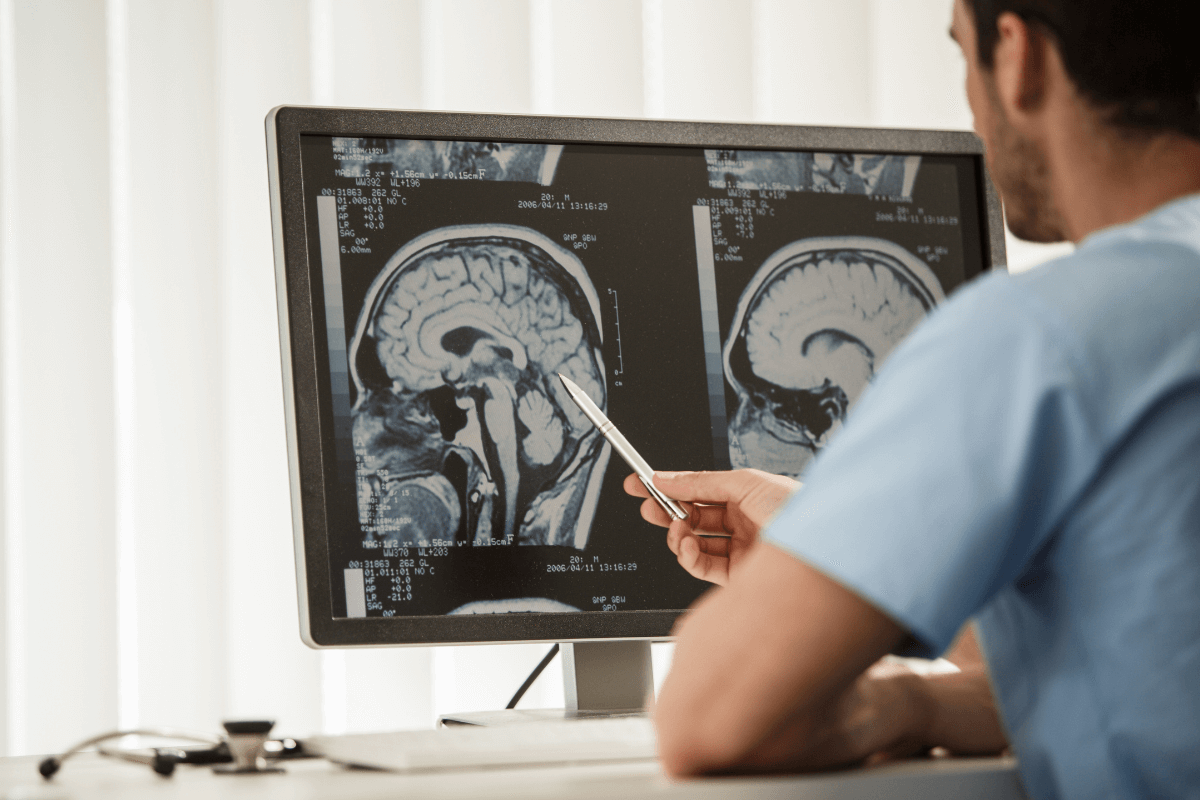
Research indicates that several common symptoms may arise in the presence of a brain tumour, including persistent headaches, unexpected seizures or convulsions, nausea, difficulties with speech, weakness or numbness in specific areas of the body, and occasionally, challenges with clear thinking.
Also read: Brain Tumor- Symptoms, Causes, Treatments & More

Source: Canva Pro
Thus, having covered this key section of the blog, let’s take a closer look at some amazing truths about the human brain.
8 Fascinating Facts About the Brain
1. The brain isn't fully formed until age 25
Our brain continues developing until around age 25. This growth begins from the back of the brain and works its way to the front. As a result, our frontal lobes, which control planning and reasoning, are the last to strengthen and structure connections.
Thus, until the late twenties, our brain continues to develop its processing speed and efficiency. During this time, it also enhances the ability to regulate emotions, thoughts, and behaviour.
2. 75% of the human brain is water
About 75% of our brain is made up of water. This fact underscores the critical role hydration plays in maintaining optimal brain function. Even a minimal 2% dehydration can lead to adverse effects on cognitive abilities.
3. The spinal cord stops growing in childhood
The spinal cord serves as the primary communication pathway between the brain and the rest of the body. Our spinal cord consists of a bundle of nervous tissue and support cells that are responsible for sending messages from the brain throughout your body.

Source: Canva Pro
However, on average, our spinal cord stops growing at 4 years old. In an adult, the spinal cord ends around the small of the back, an area known as the second lumbar vertebrae. The rest of the spinal canal only has spinal nerves, and not the spinal cord itself.
4. The human brain is more active while sleeping
Sleep plays a crucial role in several brain functions, especially in how nerve cells (neurons) communicate. Interestingly, our brain and body remain quite active during sleep. Recent research indicates that sleep is vital in housekeeping by removing toxins that accumulate in the brain while awake.
5. The brain feels no pain
The brain itself does not experience pain because it lacks pain receptors. While headaches and migraines are often perceived as pain originating from the brain, they are actually caused by pain signals from the nerves surrounding the brain, including the meninges (the membranes covering the brain) and the blood vessels. The brain interprets these pain signals, but the brain tissue itself does not produce pain.
6. The brain’s storage capacity is considered immense
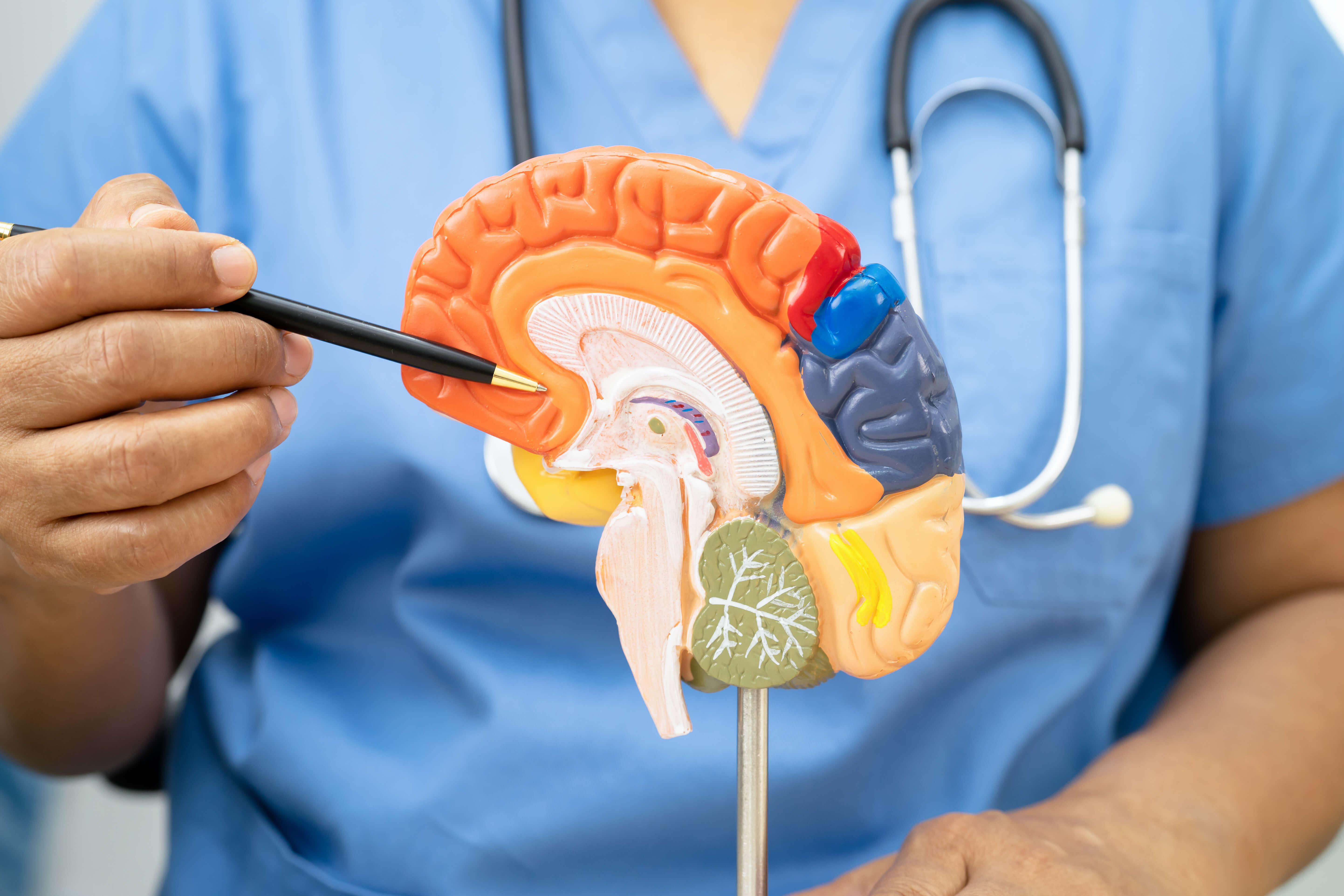
Research suggests the human brain consists of about 86 billion neurons. Each neuron forms connections to other neurons, which could add up to 1 quadrillion (1,000 trillion) connections.
The human brain’s memory capacity in the average adult can store trillions of bytes of information. Hence, over time, these neurons can combine and further increase storage capacity.
Source: Envato
7. Sixty per cent of the human brain is made of fat
Approximately 60% of the human brain is made up of fat, making it the fattiest organ in the body. These fats, particularly essential fatty acids (EFAs), play a crucial role in supporting optimal brain function. Since the body cannot produce EFAs on its own, they must be obtained through a healthy, nutrient-rich diet. Fueling our brains with the right foods is vital for maintaining cognitive health and performance.
8. Meningioma is the most common brain tumour
There are over 120 different types of brain tumours, lesions, and cysts, each distinguished by their location in the brain and the type of cells involved. Among them, meningioma is the most common primary brain tumour, accounting for more than 30% of all cases. These tumours originate in the meninges (the three protective layers of tissue that surround the brain just beneath the skull).
Source: Canva Pro
Isn’t the brain fascinating?
These facts remind us of the complexity, strength, and fragility of the human brain. But while it has remarkable abilities, it is not entirely immune to challenges like brain tumours, which can change lives in an instant.
At ImpactGuru, with empathy at the core of what we do, we try to make sure no one feels alone in their fight when they start a campaign. Because with us, every battle becomes our shared struggle.
Each campaign is approached with the same care and urgency we would offer our own loved ones. From the moment a fundraiser is launched, our team stands by each patient and their family, guiding them, supporting them, and cheering them on.
Also read: Courageous Joyshree Beats Brain Tumor With ImpactGuru!
ImpactGuru’s Message to all the Brave Patients
At ImpactGuru, we have witnessed the emotional and financial burden that treatments for brain tumours and other related conditions can impose.
These treatment costs in India can be quite high. On average, the cost of treatment, including surgery, hospitalisation, and post-operative care, can be several lakhs. These expenses vary based on factors like the severity of the case, the location of the hospital, and the treating specialists. As a result, many families find themselves facing significant medical debt due to these treatment procedures.
Source: Envato
But we at ImpactGuru have also witnessed the strength of communities, the resilience of patients, and the brave, successful stories that became possible due to fundraising. Over the years, we’ve supported over 50,000 patients in their fight for life. In urgent cases, up to ₹2 crore has been raised within just 24 hours, thanks to the compassion of over 36 lakh generous donors across India and beyond.
These numbers are not just statistics; they represent hope, second chances, and the power of collective goodwill. From metro cities to remote towns and villages, people have trusted us to help them write their comeback stories by raising donations for their medical treatments.
Today, as we recognise World Brain Tumour Day, let us remember that overwhelming medical bills should never hinder access to critical treatments. If you or someone you know is fighting against a brain tumour, don’t hesitate—start a fundraiser with ImpactGuru today.
Visit impactguru.com for more information.


 Information
 Alert
Alert