Living With A Colostomy: A Journey Of Strength And Adaptation
By: ImpactGuru
Published On: March 26, 2025
“Stay strong. Move on."
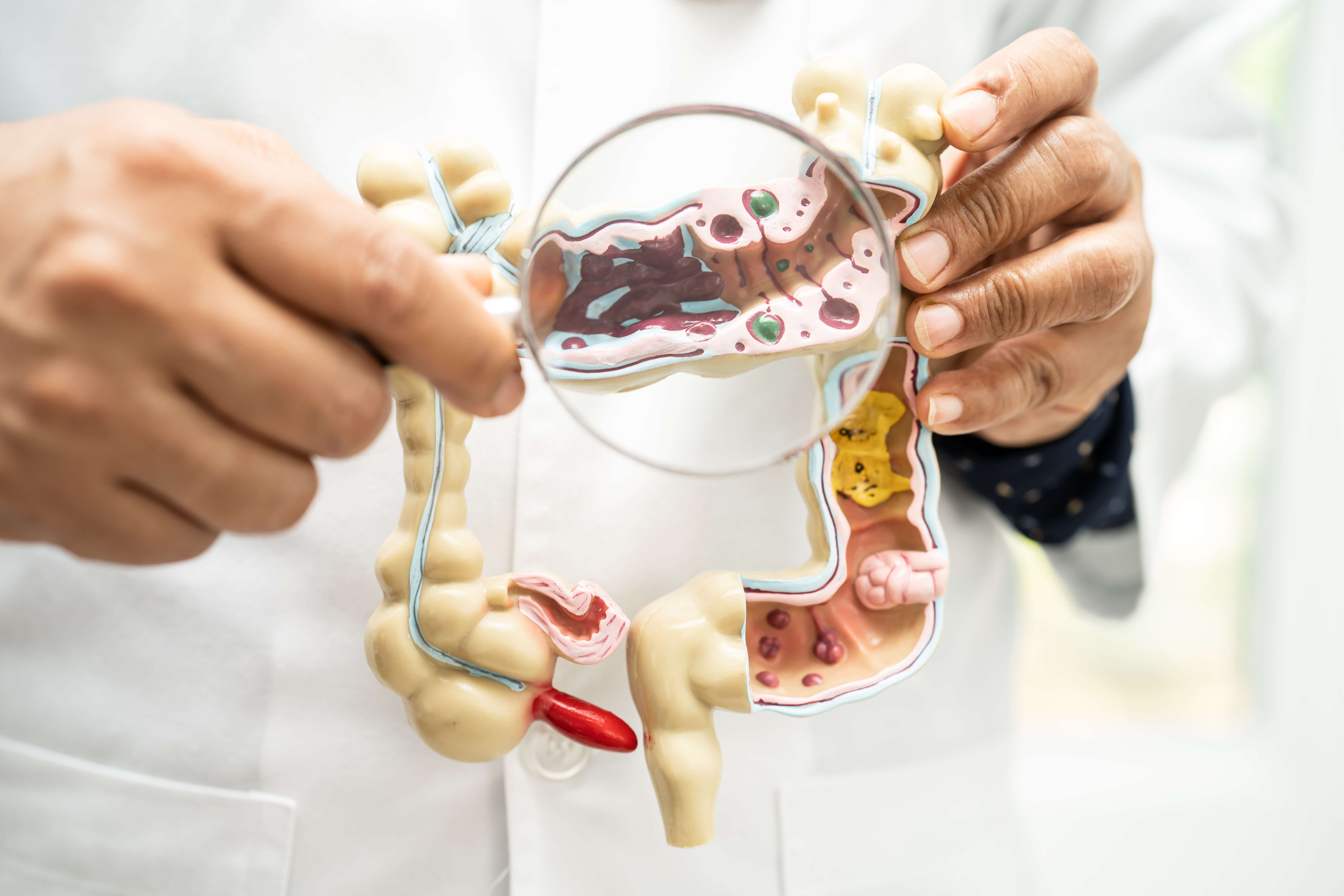
These words are often said in times of difficulty, especially by those unfamiliar with the full weight of the situation. While well-intentioned, it's important to recognise that no one can truly understand what someone is going through until they’ve walked a mile in their shoes.
Source: Envato
For Bani, a 68-year-old woman, life took an unexpected turn three years ago when she and her family were introduced to the word "colostomy" for the very first time. What began as a medical emergency soon became her new way of life. But rather than letting it define her, she chose to embrace it, with courage, strength, and the will to move forward.
A Life-Changing Diagnosis: Understanding Colostomy Through Bani’s Eyes
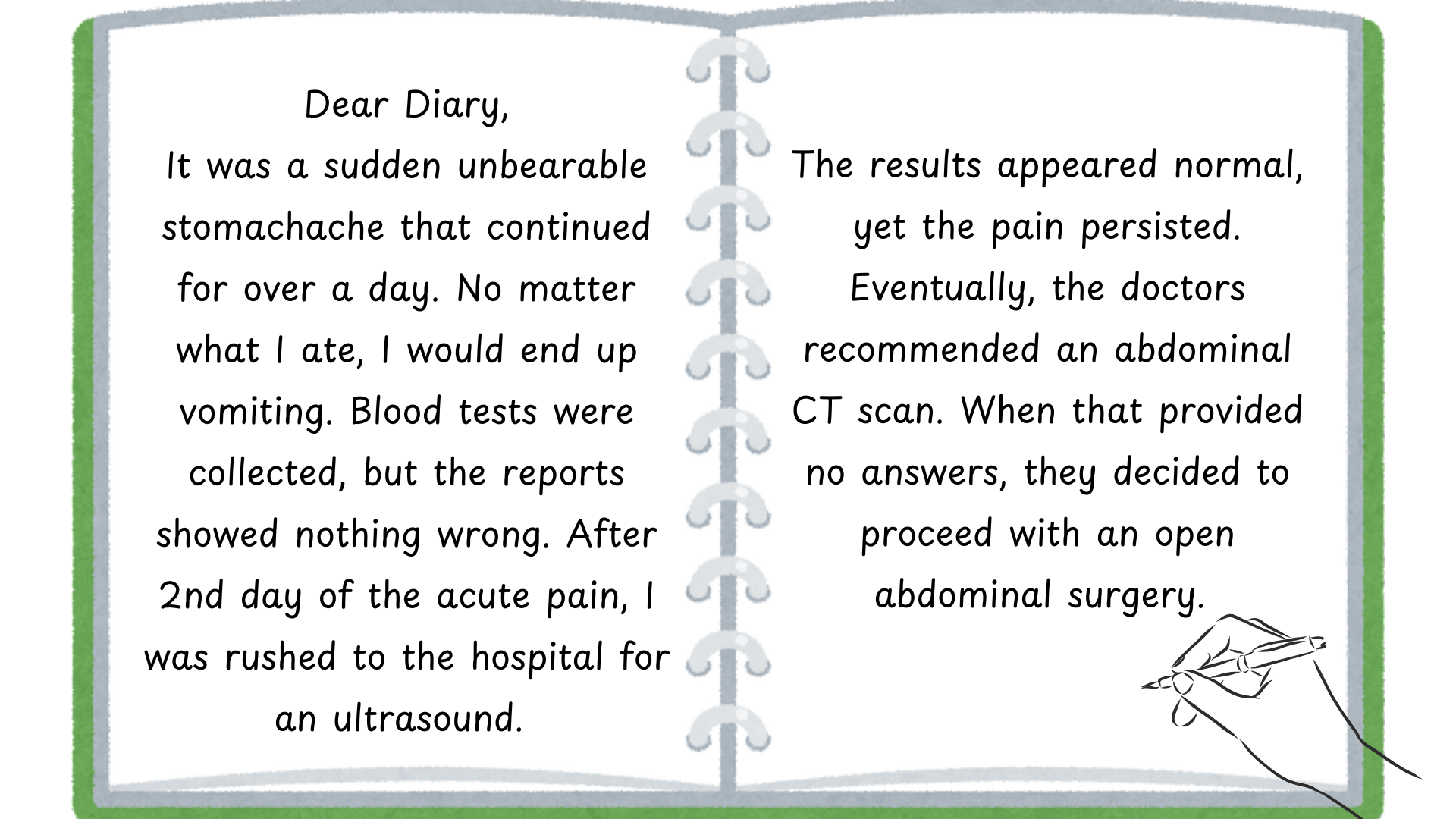
Bani's open abdominal surgery revealed the cause of the acute pain: 85% of her large intestine was severely damaged. Though the reason was yet to be discovered, the next step was quite obvious for the doctors—colostomy; a surgical procedure that diverts the passage of stool through an opening (stoma) in the abdominal wall. This was her only chance at survival.
Why Do People Need a Colostomy?
A colostomy is often required due to medical conditions like:
Crohn’s Disease
Diverticulitis
Intestinal Obstruction
Severe Intestinal Bleeding
Injury to the Colon or Rectum
Hirschsprung’s Disease
Also read: Surviving Colon Cancer With Immediate Financial Assistance
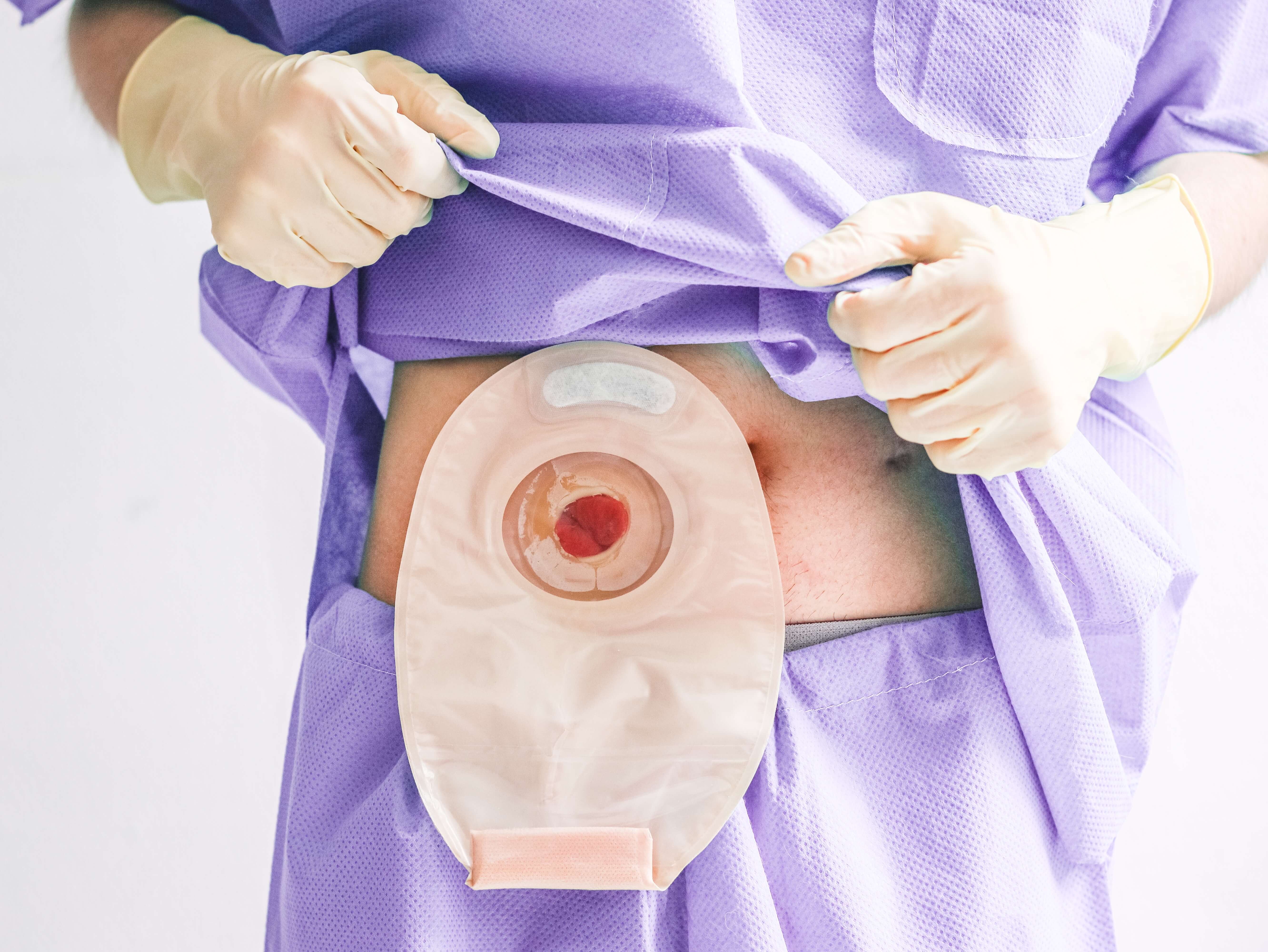
What is a Colostomy Bag?
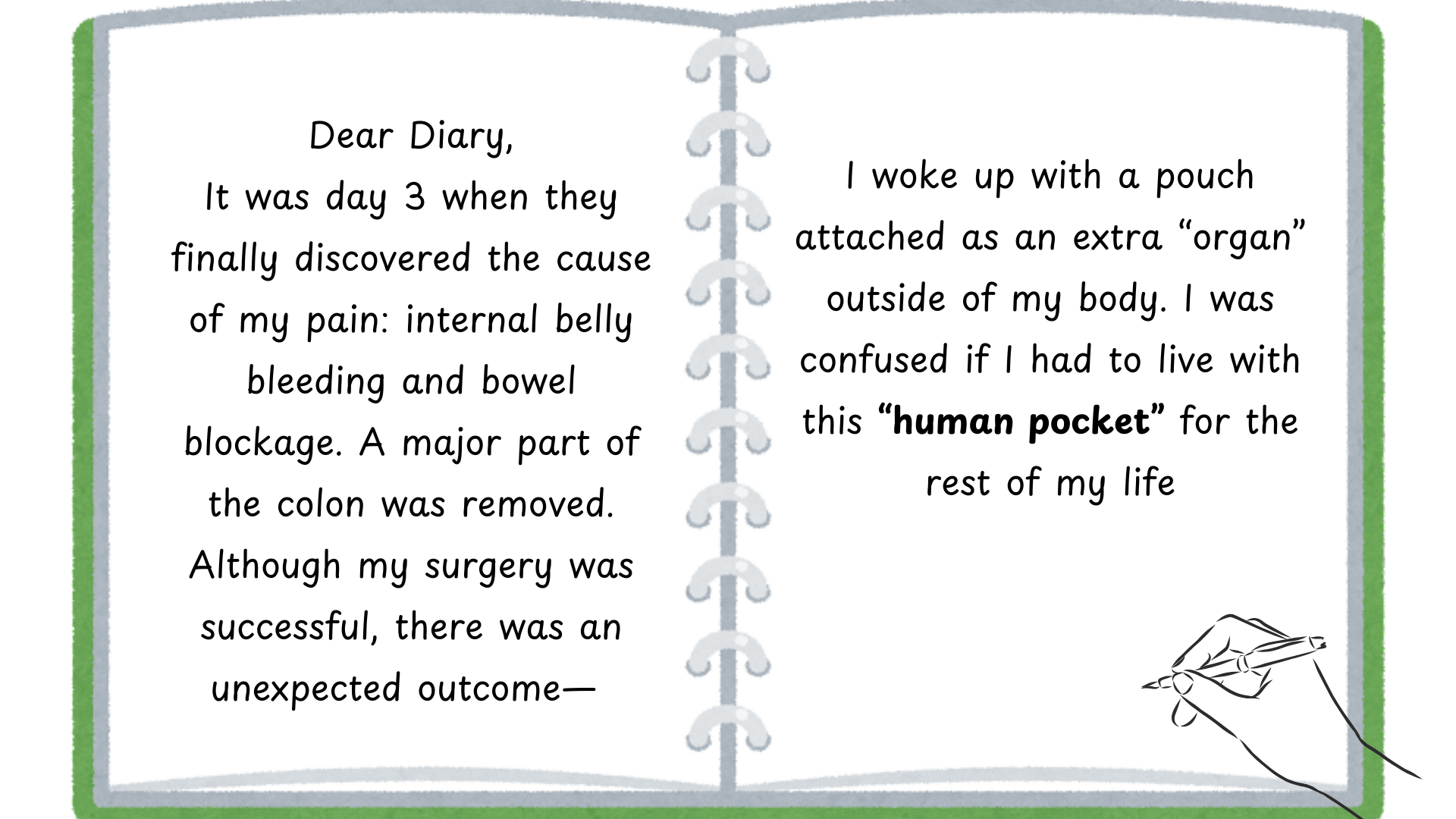
The doctors further took a counselling session with the family to explain the entire procedure— the stoma, a colostomy bag, and the diet that she was required to follow according to her age. In some cases, the damages in the intestines heal, within 2 to 3 years of the surgery. This is called a temporary colostomy.
However, in emergency cases like that of Bani’s, a permanent colostomy was required. This meant she would have to rely on a colostomy bag —a pouch connected to her abdomen that collects waste instead of passing it through the anus.
Colostomy bags come in different types:
A one-piece system, where the bag is attached directly to the skin around the stoma.
A two-piece system, in which a separate adhesive base (flange) is attached to the skin, and the bag is then connected to the flange.
Source: Envato
Additional things to look for while picking a colostomy pouch:
Odour-resistant pouch material
A bag size that is easy to put on and take off
A leakproof seal that could last for up to 3 days
A bag gentle to the skin around the stoma
Though Bani carefully chose a pouching system that suited her body type, some challenges had no easy solutions. Skin irritation became inevitable for her every time the colostomy bag was changed, a constant struggle she couldn't escape.
Life Beyond Colostomy: The Financial and Emotional Burden
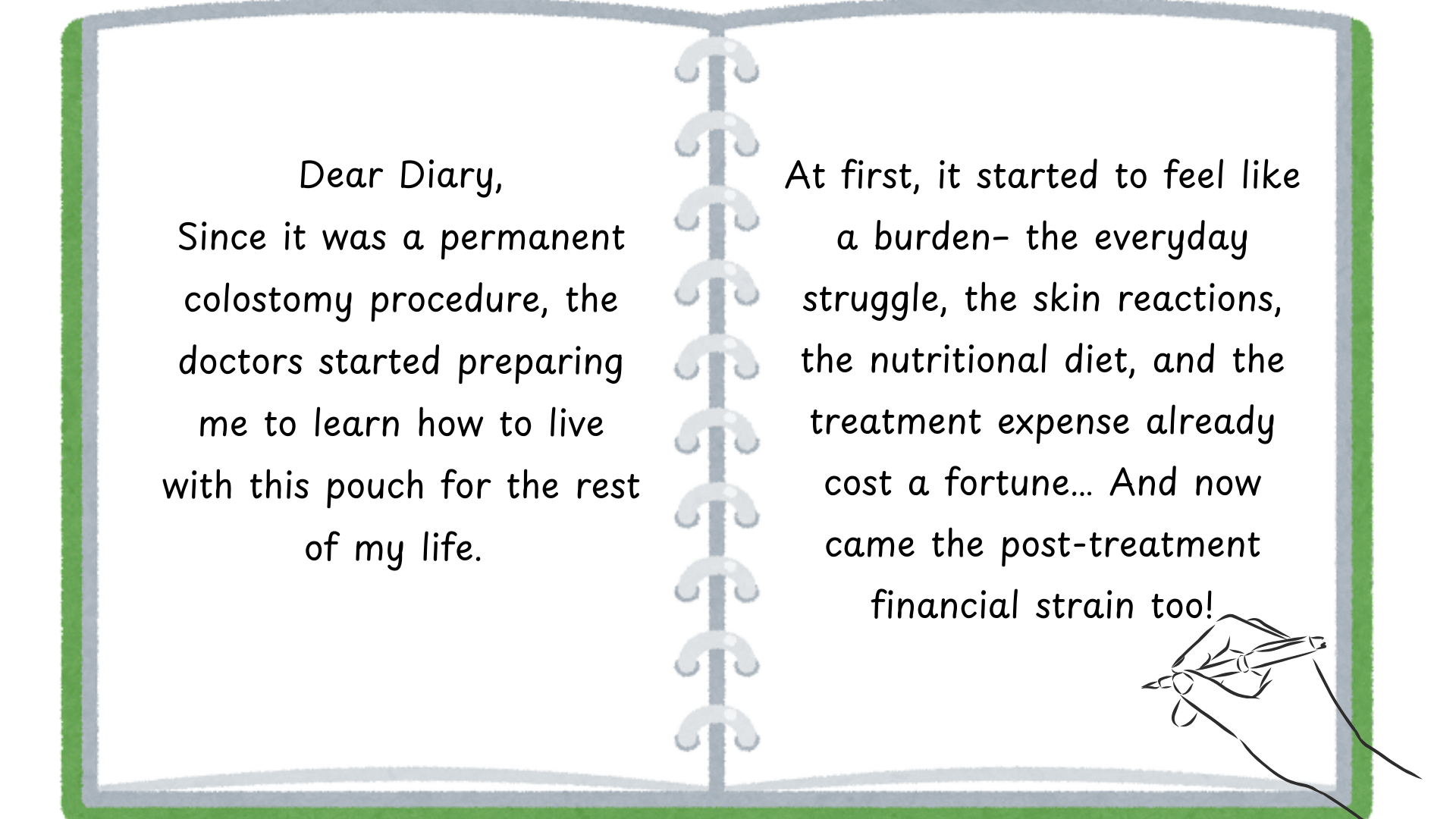
The surgical procedure was not just about Bani’s health—it encompassed so much more. Along with the cost of the surgery, there were significant recurring expenses, including:
Colostomy bags & accessories like stoma paste to help the bag stick, stoma powder to help absorb moisture and help the bag stay in place
Nutritional supplements for recovery
Skincare products to prevent irritation
Medical visits & follow-ups
The High Cost of Colostomy Care
As the statistics suggest, the average price of a colostomy pouch kit, consisting of 2 pouches, costs between Rs. 3000 to Rs. 9000 in India. Not only did Bani’s condition require constant care with the pouch attached to her body, but the cost of her nutrition also went up significantly. To help treat her malnourishment, Bani needed Total Parenteral Nutrition (TPN). This special treatment was given through an intravenous line, bypassing her digestive system and providing her body with the nutrients it couldn’t get on its own. Each TPN drip lasted 24 hours and was given every week. It was like a full "food package" for her body, combined with carbohydrates, proteins, fats, vitamins, minerals, and electrolytes. The cost for each drip was around Rs. 2250 per litre, a necessary but heavy expense that reflected just how crucial this treatment was for her recovery.
Bani’s Message to the Ones Facing Medical Crises
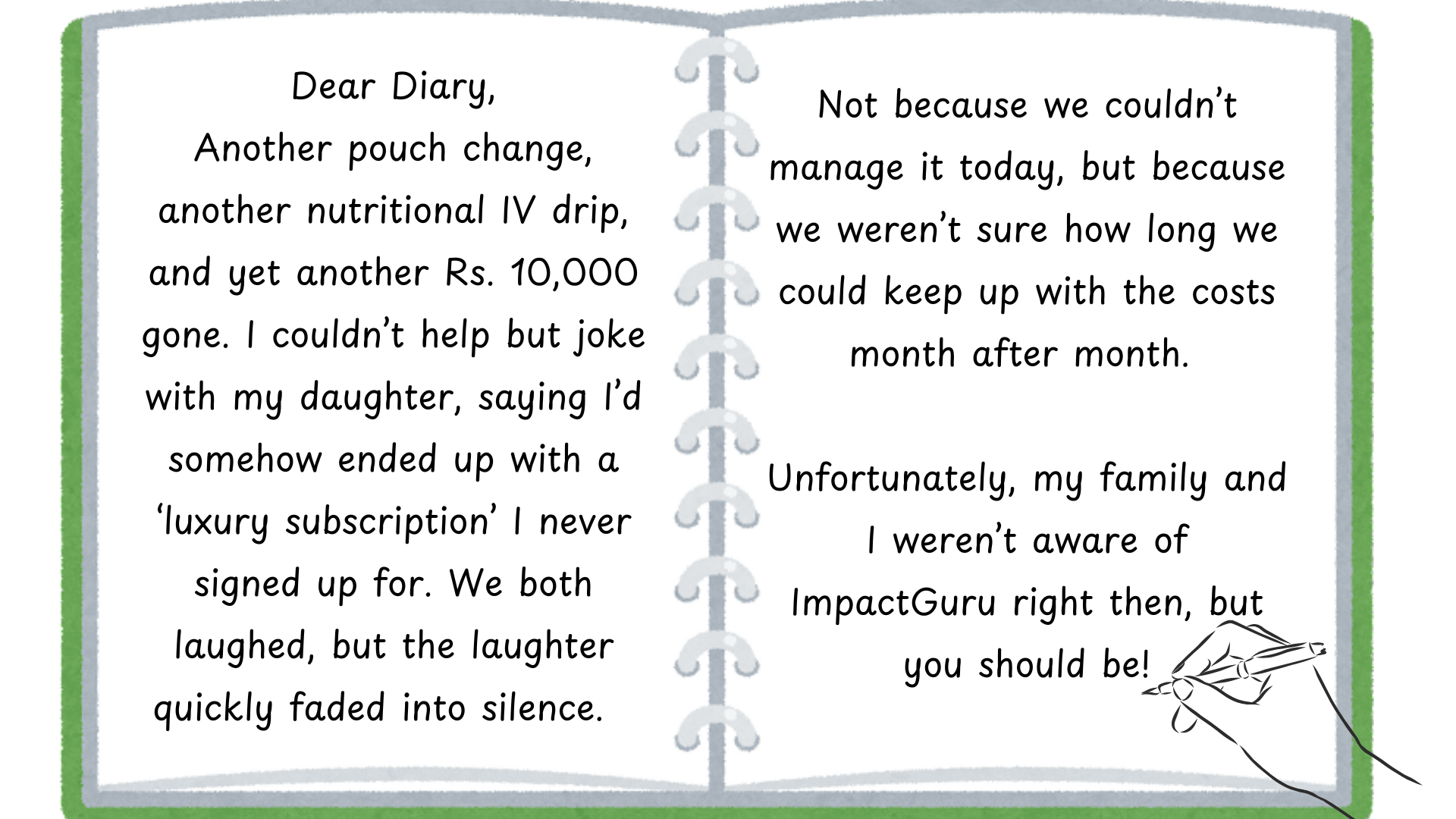
For Bani and her family, managing her condition wasn’t just about adjusting to a new lifestyle—it was about facing the constant strain of medical expenses. The surgery was just the beginning; the real challenge was to sustain the cost of post-colostomy care. All the additional medical support quickly added up, leaving her family searching for ways to balance health and financial stability. Ultimately, they ended up with loans as a method of payment, not knowing that medical crowdfunding was an option.
ImpactGuru: A Lifeline for Patients Like Bani
Like Bani, many patients in India face the same struggle—medical costs that feel impossible to keep up with. While insurance and loans may offer some relief, they often don’t cover recurring expenses like post-colostomy supplies, making it an ongoing burden for families. The stress of affording long-term care can be just as overwhelming as the treatment itself. This is where ImpactGuru steps in. As one of India’s leading crowdfunding platforms, it has helped thousands of patients like Bani, access life-saving treatments without the pressure of repayment. By raising donations for surgeries, ongoing medical conditions, and expensive treatments, one can get quick relief from financial stress.
If you or someone you know is struggling with colostomy-related expenses or any medical crisis, reach out to ImpactGuru to raise funds for free or click here to learn more. Let your well-wishers support you and help you find strength during difficult times.
Bani’s Story Is an Inspiration for Many
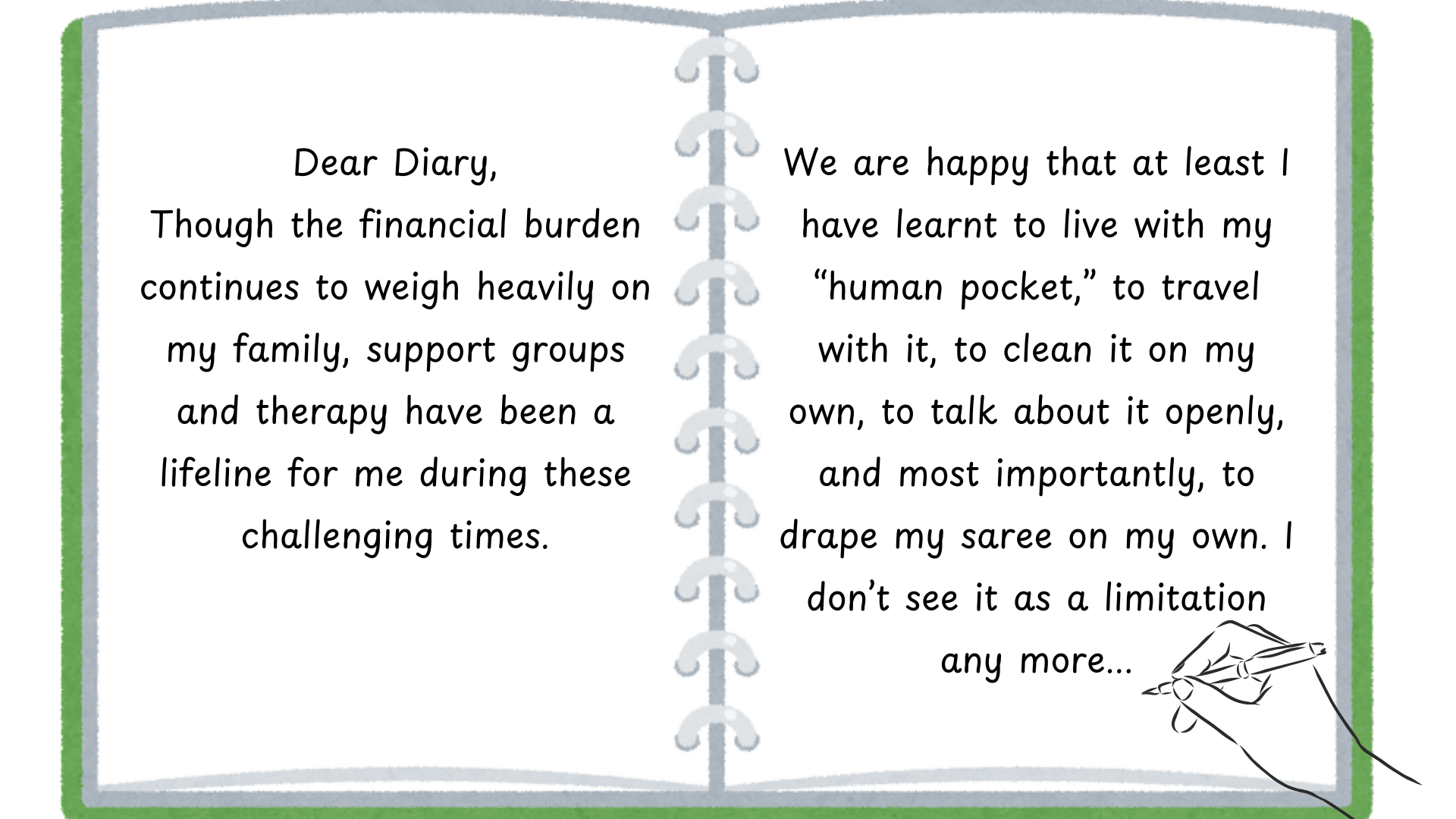
At an age where most people seek comfort, Bani was forced into a life-altering reality. But instead of letting it break her, she chose to adapt. She found strength in the smallest victories—learning to change her pouch, adjusting her diet, and even draping her saree with confidence again.
“You never know how strong you are until being strong is the only choice you have.” Bani proved that strength isn’t just about endurance; it’s about welcoming life despite the challenges. Her journey is, thus, a reminder that even in the toughest moments, there is a way forward. With resilience, the right support, and the willingness to keep going, life doesn’t stop—it simply takes a new shape, waiting to be lived fully.
Disclaimer: This story is inspired by real experiences and medical facts but includes adaptations for awareness, narrative flow and impact.


 Information
 Alert
Alert