
Fighting Prostate Cancer: Early Diagnosis, Survival Rate & Getting Financial Help
By: Raj
Published On: August 03, 2022
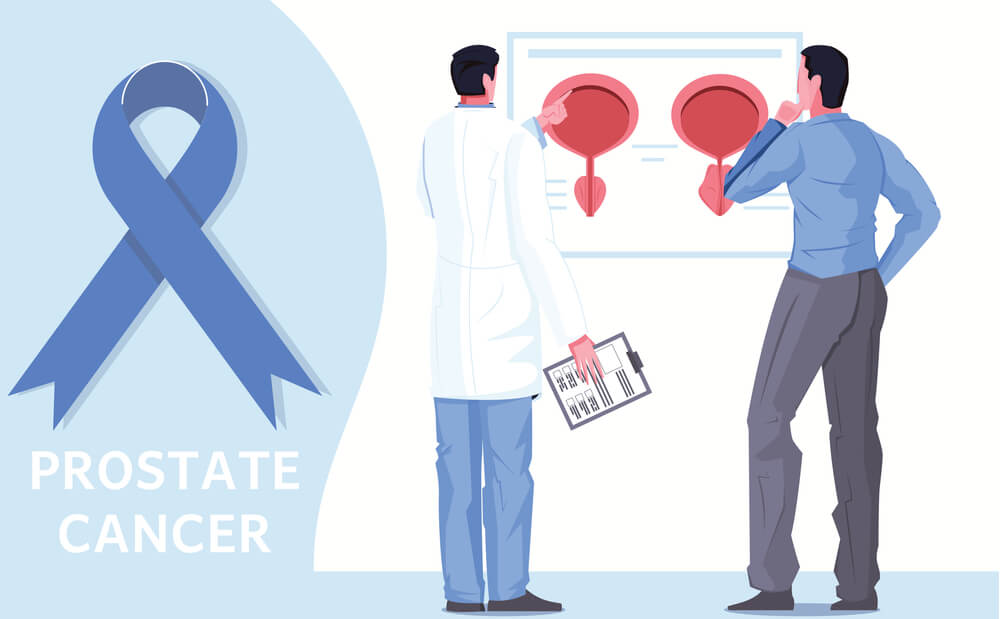
Prostate cancer develops when prostate gland cells start growing abnormally. In males, the prostate is a gland that produces a fluid which is the part of semen. Mainly, prostate cancer develops slowly and stays within the prostate gland, causing no harm.
However, there are other types of prostate cancer that can grow quickly to other body parts and are aggressive. Prostate cancer diagnosed at the early stage has a higher probability of successful treatment and improves prostate cancer survival rate.
Prostate Cancer: Risk Factors
The exact causes of prostate cancer are unknown, but certain risk factors can increase the livelihood of developing prostate cancer. Some of them are:
Family history- Individuals whose parents or siblings had prostate cancer have a higher risk of developing prostate cancer.
Age factors- People over 50 are more likely to develop prostate cancer, but there are sporadic instances of people below the age of 45 getting prostate cancer.
Diet- People consuming a high-fat diet are more likely to develop prostate cancer.
Genetic factors- Gene mutations such as changes in the BRCA1 and BRCA2 genes have a higher risk of prostate cancer. Men with Lynch syndrome have an increased risk of getting prostate cancer.
Other factors- These includes:
Alcohol consumption
Smoking
Obesity
Vasectomy surgery
Exposure to a chemical substance like the herbicide Agent Orange
Read Also: Explore The Different Prostate Cancer Treatment Options
Prostate Cancer Symptoms
Some of the prostate cancer symptoms patients experience are:
Problem while urinating
Blood in the urine
Frequent urination at night
Painful ejaculation
Back pain
Pain in the pelvis or hips

Prostate Cancer Survival Rate
Most cases of prostate cancer are not aggressive, which means a person diagnosed with prostate cancer can have a high survival rate. The prostate cancer survival rate for different stages are:
Stage 1- Here, the tumor is small and growing very slowly. Cancer is located in the prostate gland, and it is difficult to detect any health issues or symptoms. While detection may be a challenge, patients with stage 1 have a higher prostate cancer cure rate as the cancer has not progressed as much.
Stage 1 prostate cancer survival rate for 5-year- >99%
Stage 2- Cancer tumor has not traveled outside the prostate, although patients have a higher PSA (Prostate-Specific Antigen) level. Oncologists may recommend radiation therapy or surgery to stop tumor growth. Chances of recurrence are higher; therefore, regular checkups and surveillance are needed.
Stage 2 prostate cancer survival rate for 5-year- >99%
Stage 3- Prostate cancer may have spread to nearby tissue, lymph nodes, or distant organs. As it has started growing, stage 3 cancer requires treatments like radical prostatectomy, radiation therapy with hormone therapy, and clinical trials. Also, the likelihood of recurrence is more significant.
Stage 3 prostate cancer survival rate for 5-year- >99%
Stage 4- Cancer has already reached the nearby areas like the rectum and bladder. It may have spread to distant body organs- lymph nodes, liver, lungs, and bones. The prostate cancer survival rate at stage 4 is relatively low and may need aggressive treatments.
Stage 4 prostate cancer survival rate for 5-year- 31%

How To Reduce The Risk Of Prostate Cancer?


 Information
 Alert
Alert