
Explore the Different Prostate Cancer Treatment Options
By: Krunal
Published On: July 20, 2022
If you are living in fear that you might be suffering from prostate cancer and want to know about its diagnosis and treatment, then you have come to the right place. In this article, you will find all the relevant information you need to know about enlarged prostate treatment and treatment for prostate cancer. However, before knowing about the disease’s treatment, we should know exactly what prostate cancer is and the causes behind an enlarged prostate gland.
What is Prostate Cancer?
Prostate cancer is cancer that affects the prostate, which is a small walnut-shaped gland between the penis and the bladder. The prostate gland is responsible for producing the seminal fluid that nourishes and transports sperm and secreting prostate-specific antigen (PSA), a protein that helps semen retain its liquid state and helps with urine control.
Many types of prostate cancer grow slowly and are confined to the prostate gland, where they may not cause serious harm. These types of prostate cancer may need minimal or even no treatment. On the other hand, there are a few types that are aggressive in nature and can spread quickly.
What is Prostate Gland Enlargement or benign prostatic hyperplasia (BPH)?
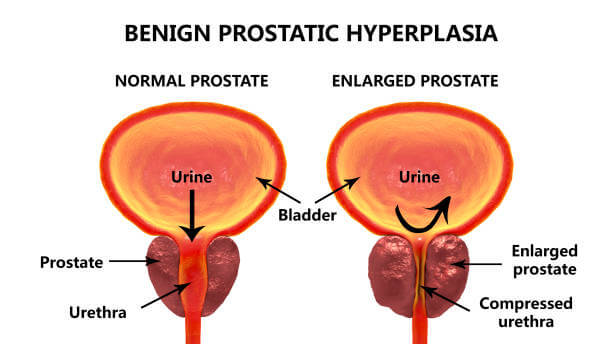
Benign prostatic hyperplasia (BPH)—also called prostate gland enlargement—is a common condition among men as they get older.
Your prostate surrounds part of your urethra, which is the tube that transports urine and semen through your penis. An enlarged prostate gland can result in uncomfortable symptoms such as pain while urinating and blocking the flow of urine out of the bladder. It can also cause bladder, urinary tract, or kidney problems.
Symptoms of BPH
The symptoms of prostate gland enlargement vary from person to person, but they tend to gradually worsen over time. Common signs and symptoms of BPH include:
Frequent urge to urinate
Increased frequency of urination at night
Difficulty starting urination
Weak urine stream or a stream that stops and starts
Dribbling while finishing urinating
Inability to entirely empty the bladder
Less common signs and symptoms include:
Urinary tract infection
Inability to urinate
Blood in the urine or semen
The prostate size doesn’t necessarily decide the severity of your symptoms. Some men with only slightly enlarged prostates can have severe symptoms, while other men with considerably enlarged prostates can have only minor urinary symptoms. In some cases, symptoms eventually stabilize and might even improve over time.
Also read: How To Detect Bladder Cancer Symptoms?
Conditions that can lead to symptoms similar to those caused by an enlarged prostate include:
Inflammation of the prostate (prostatitis)
Narrowing of the urethra
Scarring in the bladder neck because of previous surgery
Bladder or kidney stones
Problems with nerves controlling the bladder
Prostate or bladder cancer
What Causes an Enlarged Prostate?
To this day, doctors aren’t exactly sure what causes an enlarged prostate or BPH. Some think it may have to do with normal hormonal changes as you get older, but the exact cause is not clear.

Risk Factors
Given below are the risk factors for prostate gland enlargement:
Age: Prostate gland enlargement rarely causes signs and symptoms in men who are 40 years old or younger. About one-third of men experience moderate to severe symptoms by age 60, and about half by the age of 80.
Family history: If a person’s close relative had a history of prostate problems, then there is a higher chance of the person suffering from BPH.
Diabetes and heart disease: Studies show that diabetes and heart disease, as well as use of beta blockers, might increase the risk of prostate gland enlargement.
Obesity: Obese people are at a greater risk of BPH compared with people who are fit and healthy.
What is the Size of an Enlarged Prostate?
Your prostate actually doubles in size during puberty. Later in life, when you are almost 25 years old, it starts to grow again. For the majority of people (men), this growth happens for the rest of their lives. For some, it causes BPH.
A normal-sized prostate is around 25 grams (approximately the size of a walnut). However, the size of an enlarged prostate can be three times the normal size (over 80 grams). The size of a man’s prostate varies from person to person. Size is just one of the many factors that your doctor considers when determining whether you need treatment for an enlarged prostate.
Also read: Causes And Risk-Factor Associated With Bladder Cancer
Is an Enlarged Prostate Serious?
If left untreated, an enlarged prostate could lead to kidney or bladder problems in extreme cases.
Diagnosis of Enlarged Prostate
Your doctor will begin the diagnosis by asking detailed questions about your symptoms and performing a physical exam. This initial exam is likely to include:
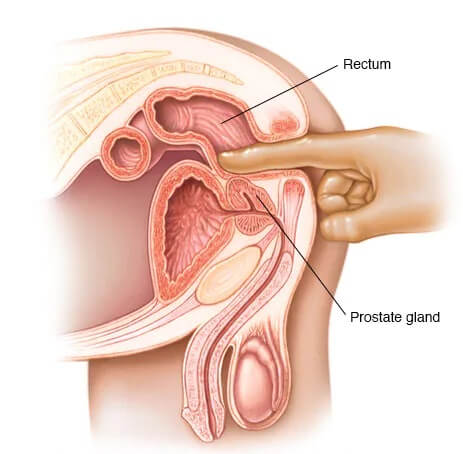
Digital rectal exam: The doctor inserts a finger into your rectum to check whether your prostate has enlarged.
Urine test: Analyzing your urine sample can help rule out an infection or other conditions that can cause similar symptoms.
Blood test: The blood tests are usually carried out to check for kidney problems.
Prostate-specific antigen (PSA) blood test: PSA is a protein that is produced in your prostate. PSA levels increase when you have an enlarged prostate. However, increased PSA levels can also be due to a recent infection, surgery, or prostate cancer.
Your doctor might recommend additional tests to confirm an enlarged prostate and rule out other conditions. These tests include:
Urinary flow test


 Information
 Alert
Alert