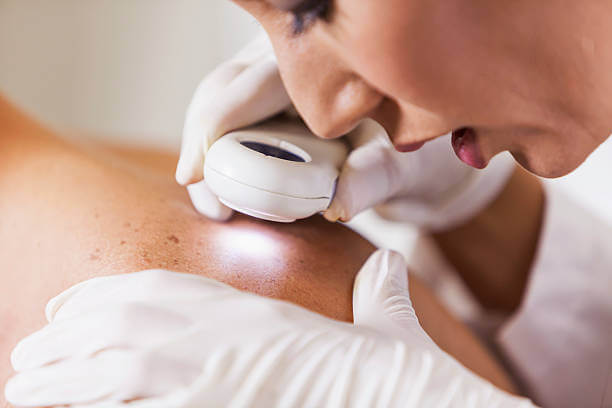
Treat Your Skin Cancer With the Help of Mohs Surgery
By: Krunal
Published On: July 11, 2022
Did you know that skin cancer is the most common form of cancer that affects one in five people by age 70? Yes, it’s that common. Fortunately, along with being the most common form of cancer, it’s also the most treatable cancer as 99% of all cases are curable if they are diagnosed and treated early enough. Before getting into the intricacies of skin cancer treatment and Mohs surgery, let’s understand what skin cancer means and how it spreads.
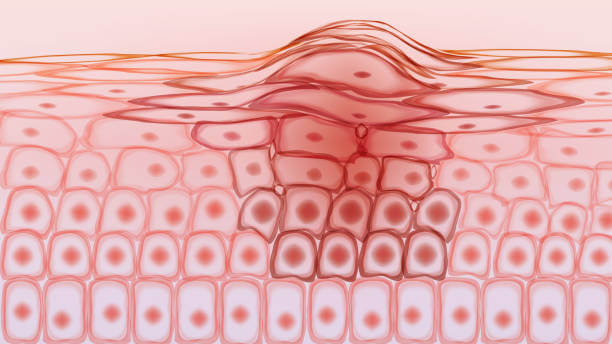
What Is Skin Cancer?
Skin cancer is the uncontrolled growth of abnormal cells in the epidermis, which is the outermost skin layer. It is caused by unrepaired DNA damage that triggers mutations. These mutations, in turn, lead skin cells to multiply rapidly and form malignant tumors.
The four main types of skin cancer are basal cell carcinoma (BCC), squamous cell carcinoma (SCC), melanoma, and Merkel cell carcinoma (MCC).
Causes of Skin Cancer
The two main causes of skin cancer are the sun’s harmful ultraviolet (UV) rays and the excessive use of UV tanning beds. The good news is that if skin cancer is detected early, your dermatologist (skin specialist) can treat it with little or no scarring. In fact, there are high chances that it can be eliminated entirely. Your doctor may even detect the growth at a precancerous stage before it has progressed to full-blown skin cancer or penetrated below the skin's surface.
Detecting Skin Cancer
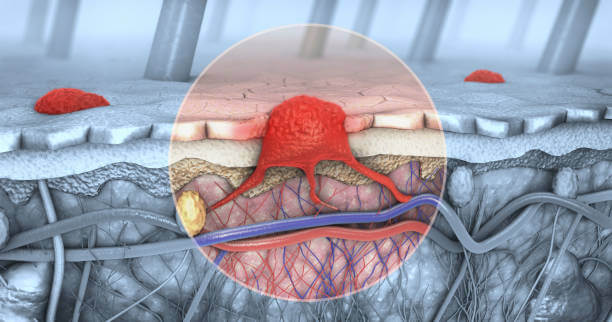
Skin cancers are different from other cancers as they form on the outside and are usually visible, whereas other types of cancers develop inside the body. That’s why skin exams, both at home and with the help of a dermatologist, are important.
As in the case of any other cancer, early detection of skin cancer saves lives. Detecting skin cancer early is crucial as it’s easiest to cure when it’s in the nascent stage, before it can become dangerous or fatal.
Mohs Surgery: Skin Cancer Treatment
Mohs surgery, also known as Mohs micrographic surgery, is considered to be the most effective way to treat skin cancer. The surgery is used for many basal cell carcinomas (BCCs) and squamous cell carcinomas (SCCs) treatment, the two most common types of skin cancer. Let’s know a bit of history about Mohs surgery and the scientist behind whom this surgery is named.
It all began in the late 1930s as a technique called chemosurgery, developed by Frederic E. Mohs, MD. However, it was not widely known at that time. It was in the mid 1960s that Perry Robins, MD, studied the procedure along with Dr. Mohs, and recognized that it had immense potential in the field of dermatology. Dr. Robins brought the technique to New York University (NYU), where he established the first fellowship training program to teach this skin cancer surgery to dermatologists. He was a pioneer in promoting the procedure into what is now called Mohs surgery and even went on to teach it globally.
Also read: Cancer Risk Factors and Prevention
Why is Mohs Surgery the Preferred Option?
Mohs surgery has a distinctive benefit as compared to other skin cancer surgeries. While performing surgery, the surgeon can see where the cancer stops, which is not possible with other types of skin tumor treatment.
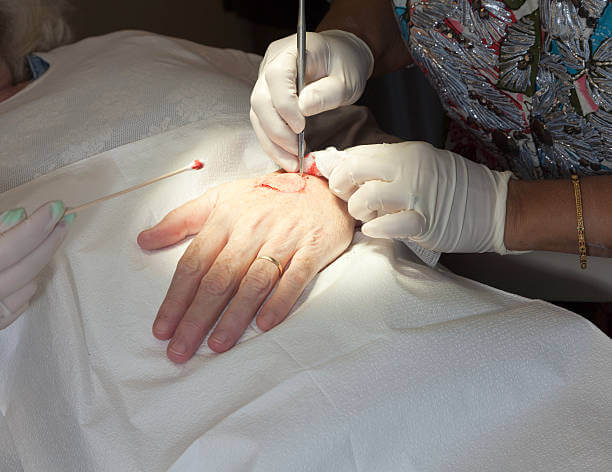
The ability to see where the cancer stops gives Mohs surgery two important advantages:
The surgery has a high cure rate (almost 99%).
It allows you to keep as much healthy skin as possible because the surgeon only removes the cancerous skin cells. This is especially important when skin cancer develops in an area with little tissue beneath (e.g., ear, eyelid, or hand).
Who Performs Mohs Surgery?
Mohs surgery can be performed by doctors who are specially trained to fulfill the below-mentioned three roles:
as the surgeon who removes the cancerous tissue
as the pathologist who analyzes the lab specimens
as the surgeon who closes or stitches the wound
Criteria for Mohs Surgery
Mohs surgery is appropriate for skin cancers with a high recurrence rate and when conservation of tissue is essential. The Mohs Appropriate Use Criteria (AUC) guidelines were developed to assist doctors/surgeons in determining if a specific tumor would be appropriately managed by Mohs surgery. These criteria were based on parts of the body, patient’s characteristics, and tumor characteristics.
Preparing for Mohs Surgery
Even though it’s the surgeon who’s going to do most of the preparation for performing surgery, you, as a patient, also need to keep in mind the following points before going under the knife.
Stop taking certain medicines: Let your surgeon know of any medicines or supplements you're taking, including any blood-thinning medication. Some supplements may increase your chances of bleeding after surgery, so it’s always best that your surgeon knows about them too. Continue taking medicines as prescribed unless your surgeon tells you otherwise.
Keep your schedule light for the day: It’s not possible to predict how long Mohs surgery will take. In most cases, the procedure takes less than four hours. There are very few chances of the surgery taking a whole day.
Wear comfortable clothing: Wear casual and comfortable clothes. Dress in multiple layers so you can easily adapt according to the room temperature.
Also read: 5 Ways To Raise Money For Kids With Cancer
How is Mohs Surgery Performed?
The surgeon performs Mohs surgery in multiple stages, all in one visit. After removing a layer of tissue, he/she examines it under a microscope in an on-site lab. If any cancerous cells remain, the surgeon knows exactly where they are and removes another layer of tissue from that particular area, sparing as much healthy tissue as possible.
Step 1: Examination and preparation
The Mohs surgeon examines the spot where the biopsy was done and may mark it with a pen/marker for reference. He/She then positions you for best access, and may ask you to sit or lie down. A surgical drape is placed over the area. The surgeon then injects a local anesthesia, which numbs the area completely. You stay awake throughout the procedure.
Step 2: Removing top layer
The surgeon removes a thin layer of visible cancerous tissue using a scalpel. Some skin cancers may be “the tip of the iceberg”, meaning they have roots or extensions that aren’t visible to the naked eye. In such cases, lab tests are performed to determine the severity of your cancer. Your wound is bandaged temporarily and you can relax while the tests are happening in the lab.
Step 3: Lab analysis
While you are waiting, the surgeon or the lab technician cuts the tissue into sections, examines them under a microscope, color codes them with dyes, and draws a map of the surgical site. The technician then freezes the divided tissue and cuts very thin horizontal slices like a layer cake. The slices are placed on microscope slides, stained and covered. This meticulous process takes time.
Step 4: Removal of second layer
After the lab tests are done, the surgeon injects more anesthesia if needed and removes another layer of skin, precisely where the cancer cells remain. Then, while you wait, the tests in the lab begin again. This entire process is repeated as many times as needed until no more cancerous cells are detected.
Step 5: Repairing the wound
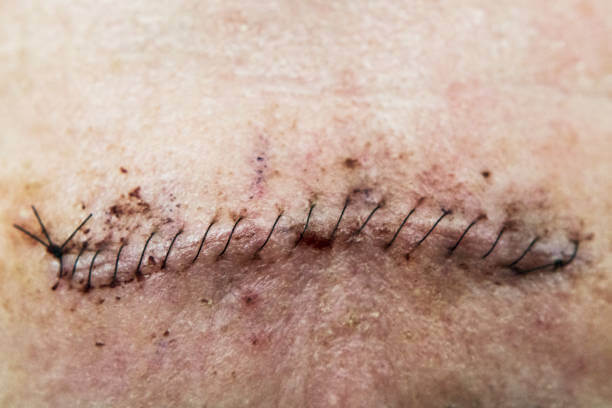
Once the site is clear of all cancerous cells, the surgeon may leave the wound open to heal or close it with stitches. This depends on its size and location. In some cases, a wound may need reconstruction with a skin flap, where neighboring tissue is moved to cover the wound, or possibly a skin graft. In a few cases, your Mohs surgeon may coordinate the repair of your wound with another specialist such as a plastic surgeon or oculoplastic surgeon. In most cases, however, your Mohs surgeon will repair the wound immediately after obtaining clear margins.
Step 6: Wrapping up
The entire process can take up to several hours if mo


 Information
 Alert
Alert