World Glaucoma Awareness Week 2025: Protect Your Eyes Before It’s Too Late!
By: ImpactGuru
Published On: March 11, 2025
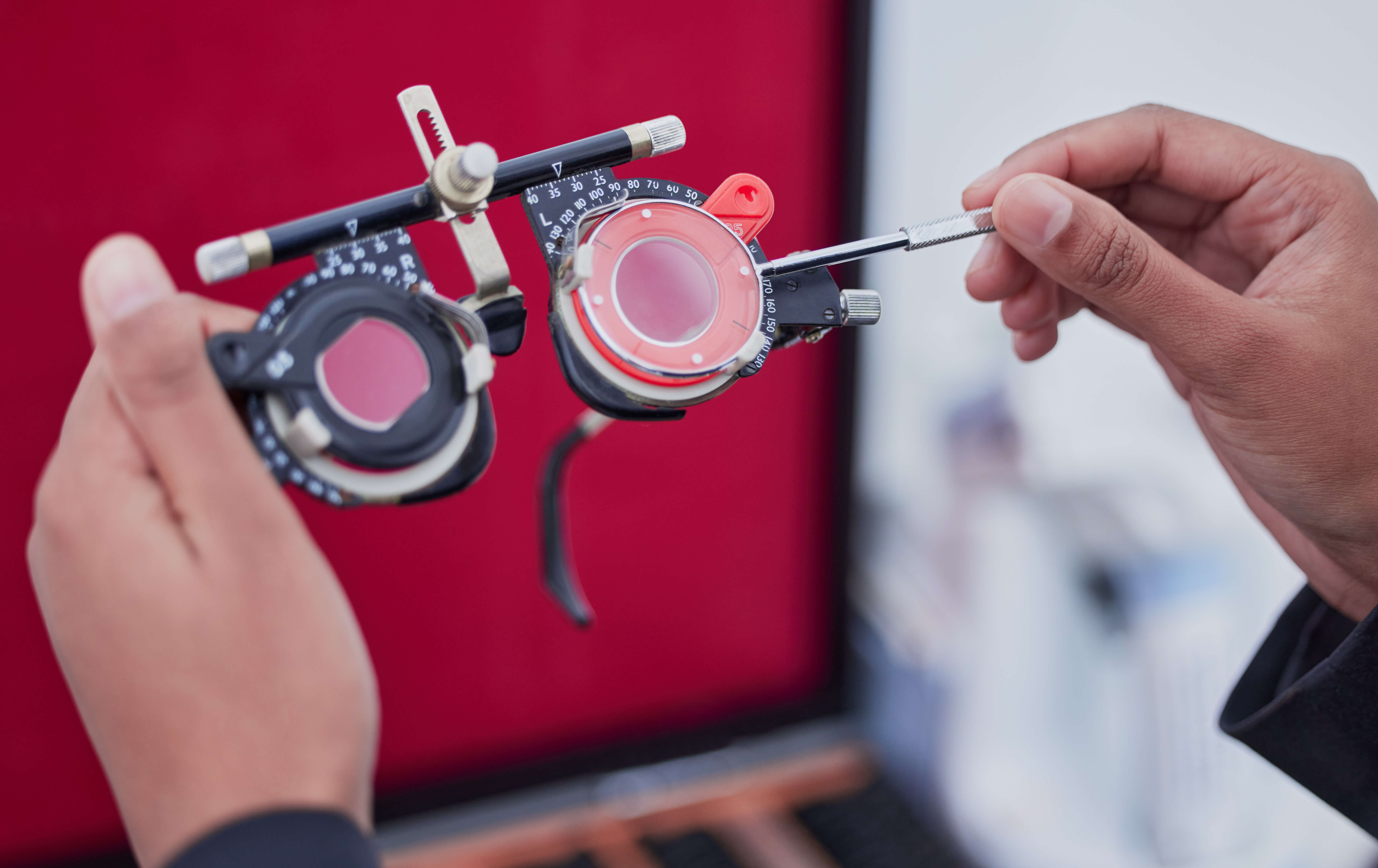
What if one day, out of nowhere, the world around you begins to blur? What if your vision doesn’t remain as sharp as it used to be, or the letters on a screen start appearing hazy? What if the colors around you seem less vibrant, or gradually, dark patches start clouding your sight? Scary enough? It might be a result of the Silent Thief Of Sight— Glaucoma, an eye condition that sneaks in without warning and gradually steals your vision. In short, it is a group of eye diseases that causes vision loss and blindness by damaging the optic nerve in the back of the eye.
 Source: Envato
This month, as we observe World Glaucoma Awareness Week from March 9th to 15th, let’s shed light on this silent threat. With the theme 'Unite for a Glaucoma-Free World' and the signature color tagline ‘Wear Green to be Seen,’ symbolizing hope, let’s support the global campaign to inform and educate those who may not be aware of this serious issue. Let’s dive in to learn in-depth what Glaucoma is and why it is so dangerous.
Understanding Glaucoma and Its Early Signs
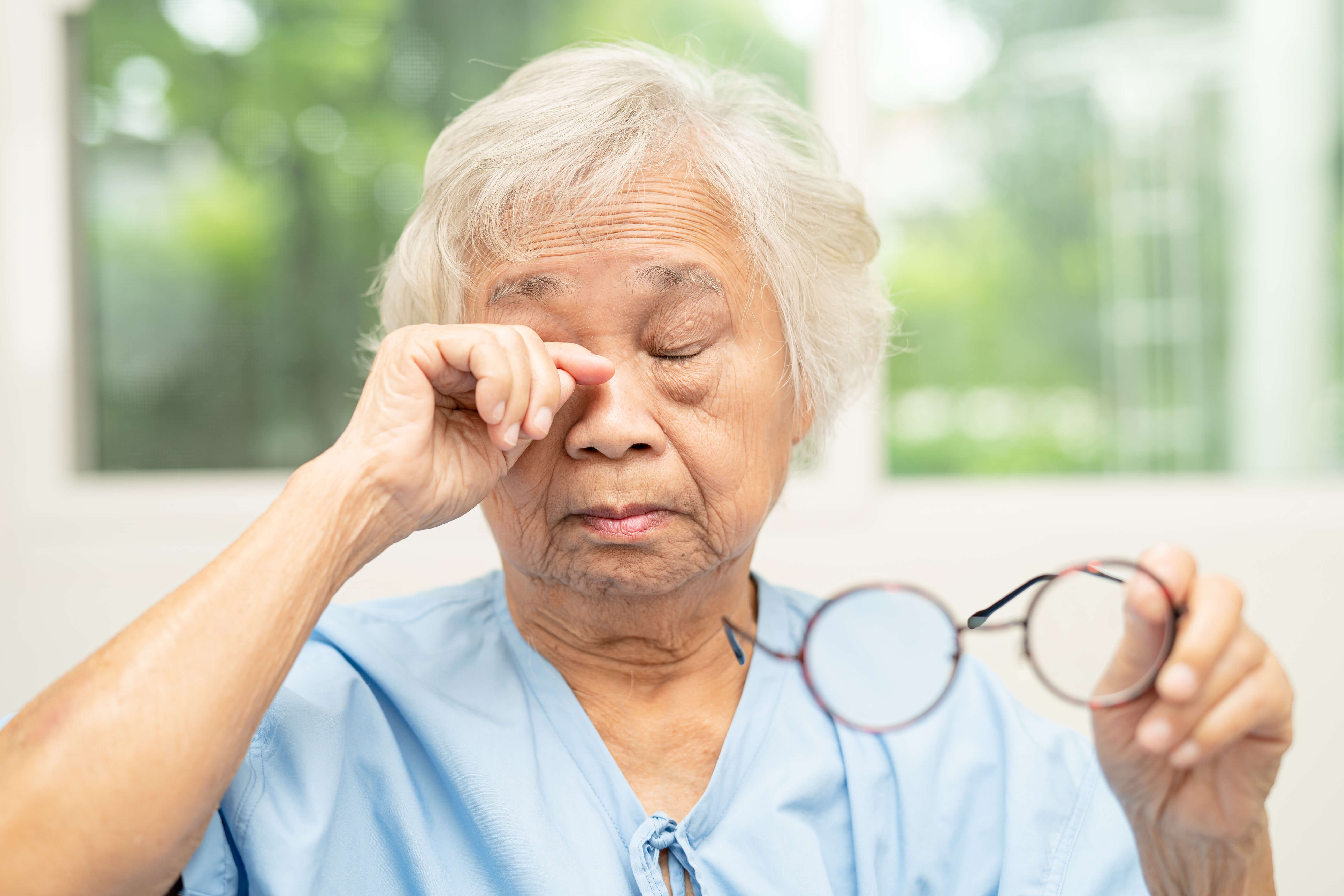
Glaucoma doesn’t often show any symptoms in particular, which is why half of us don’t even know if we have it. It affects over 80 million people worldwide, making it one of the leading causes of irreversible blindness. It often begins with the peripheral vision, particularly the part closest to the nose, slowly spreading across.
Although the changes are mostly unnoticeable, here are some signs you can watch out for:
Blurred vision or a persistent foggy effect in your eyesight
Rainbow halos around lights, especially at night
A gradual loss of peripheral vision that forms a tunnel at the sight
Eye discomfort or headaches
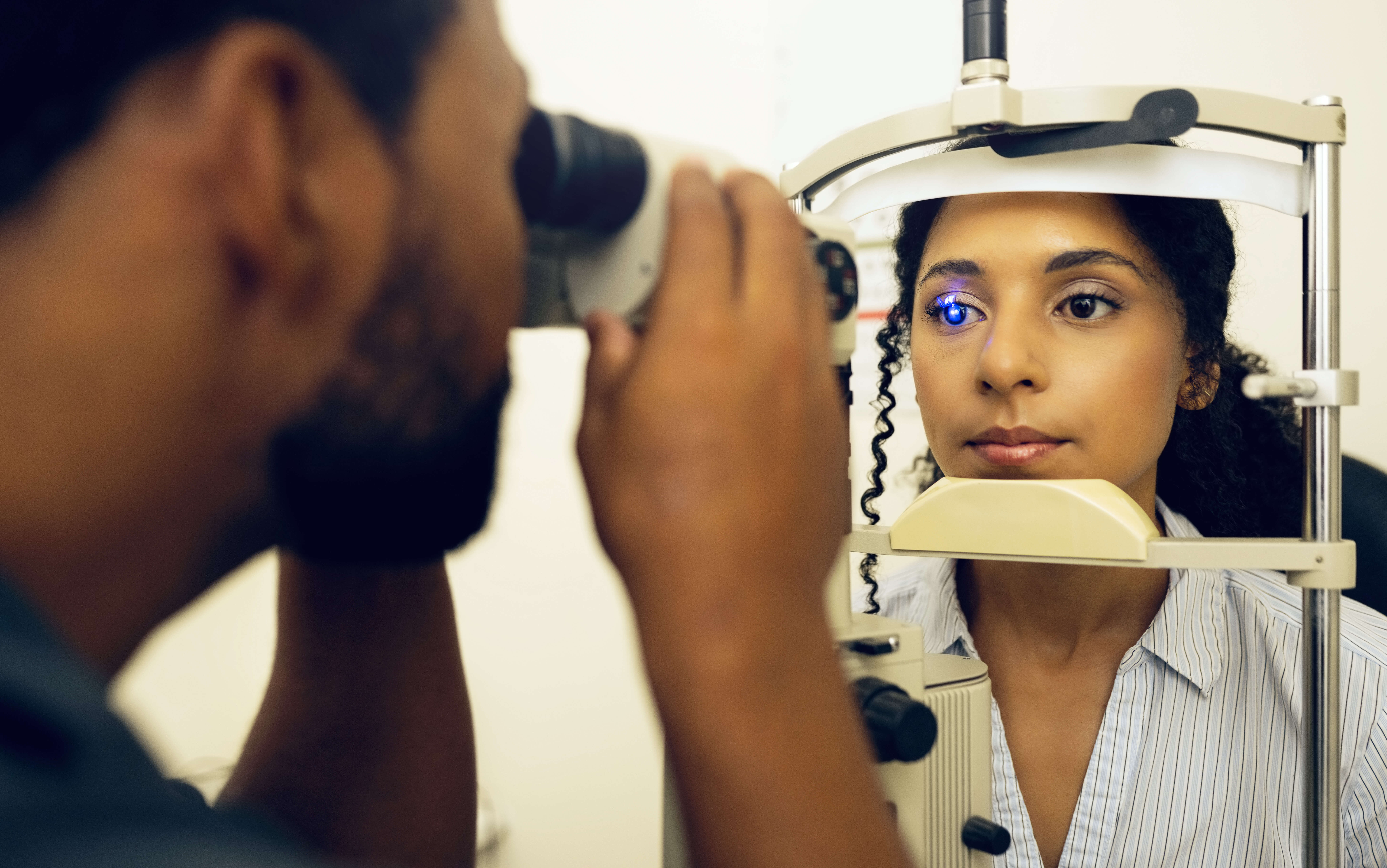
If you experience any of these signs, you should consult an ophthalmologist immediately. Most glaucoma cases can be figured out with a simple eye pressure test, visual field test, or optic nerve scan. To keep everything in check, experts recommend an annual eye exam for individuals above the age of 40, especially for those who have a family history of glaucoma.
 Source: Envato
But is it true that Glaucoma only occurs after a certain age? Let’s take a closer look to learn in detail about who is more at risk and what are the actual causes behind it.
What’s Behind Glaucoma: Know the Cause
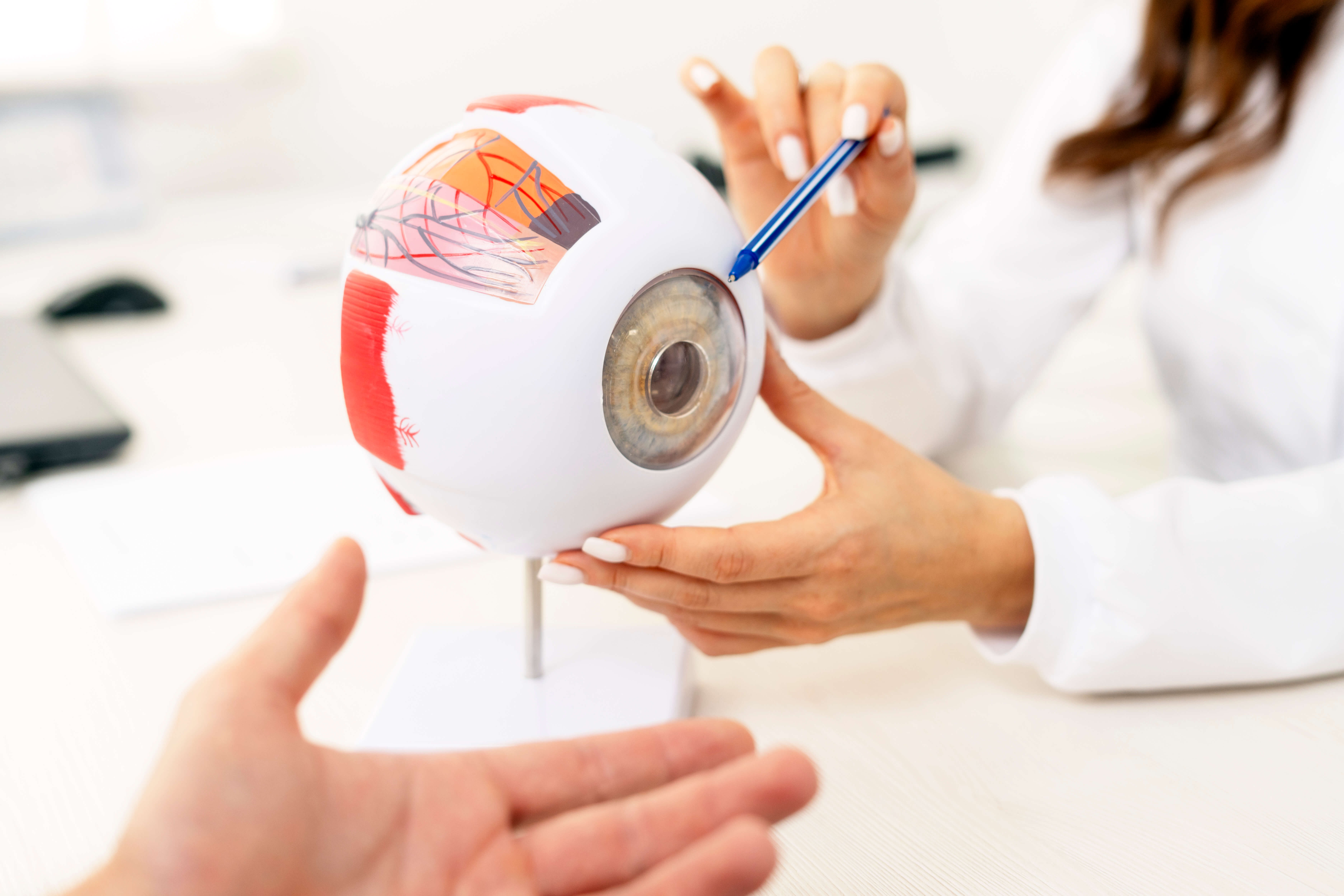
Research indicates that the elderly are not the only ones at increased risk. A high eye pressure significantly increases the risk of developing glaucoma even in youngsters. When the pressure inside the eye becomes too high, it can damage the optic nerve, potentially leading to vision loss. The good news? Research also suggests that reducing eye pressure can help prevent further damage and preserve vision. This is why managing the pressure or strain within the eyes is crucial. To learn in detail about the different types of glaucoma, its risk factors, and treatment options, read the chart in the paragraph below.
Also read the article on Swollen Eyelid to learn more about common allergic reactions in the eye, eye infections, eye trauma, and eye injuries.
Types of Glaucoma
Glaucoma is generally classified into two main categories: Primary Glaucomas, which occur with or without any underlying medical conditions, and Secondary Glaucomas, which develop mostly as a result of pre-existing health issues. Each type of glaucoma has its own characteristics, risk factors, and treatment options.
Read the chart as it breaks down these different types to help you better understand the condition and its management:
Thus, the table above would help understand the types to keep a check on the symptoms of vision loss. Hence, with awareness, we can identify risk factors and seek timely treatment, potentially saving our eyesight. The good news is that advancements in treatment, from medications to laser therapies and even surgical options, are revolutionizing to help manage glaucoma.
These innovations include AI, which not only helps control eye pressure but also improves the quality of life for patients, making early detection and intervention more effective than ever. Let’s know more about these revolutions.
Digital Revolution: How Tech is Changing Eye Care?
Artificial intelligence has great promise for enhancing glaucoma care through better diagnosis, treatment, and outcome prediction. AI has shown important results in image-based diagnostics, especially in the diagnosis of diabetic retinopathy. Moreover, IDx-DR is the first FDA-approved autonomous AI system capable of detecting diabetic retinopathy without human intervention. While primarily designed for diabetic retinopathy, its approval showcases the potential of AI in ocular diagnostics, paving the way for similar technologies in glaucoma detection.
Also Read: The Language of Touch That Redefined Possibilities - World Braille Day 2025
 Source: Envato
Similarly, mobile-based technology is likely to be the future of telemedicine, or, rather, say, teleophthalmology. According to recent studies, visual acuity (VA) and visual field screening are capable of detecting visual degradation even before being presented to a healthcare professional. All of this has become possible with the help of mobile applications. These mobile apps could also make the patient feel more engaged and improve their compliance with treatment.
Thus, as technology evolves, a digital revolution is transforming eye care, especially in diagnosing and treating conditions like glaucoma and cataracts. This wave of innovation is not only enhancing accessibility but is also improving lives in profound ways. In fact, while speaking of revolutionary changes, the initiatives brought up by ImpactGuru’s team are leading the charge in helping transform the lives of the visually impaired. Want to know how? Keep scrolling.
ImpactGuru’s Efforts in Making Eye Care Accessible
In India, where conditions like glaucoma and cataracts contribute significantly to blindness, access to affordable eye care remains a pressing concern. ImpactGuru, India’s leading crowdfunding platform, helps raise vital funds to afford medical treatments for individuals and NGOs that support such causes with the help of crowdfunding.
What makes ImpactGuru one of the best crowdfunding platforms is that it offers quick fundraiser approval and fund withdrawals, ensuring a seamless experience for the campaigners. With 24/7 customer support and emergency fundraising assistance, they are always ready to help. Thus, with no debts, no loans, and no paybacks, ImpactGuru stands tall to support medical emergencies by helping raise crucial donations. If you or someone you know is facing a financial strain due to medical urgency, reach out for help today here: https://www.impactguru.com/medical-crowdfunding
Source: Envato
Glaucoma may be the silent thief of sight, but this month, as we acknowledge World Glaucoma Awareness Week, let’s come together to raise awareness by wearing the vibrant colors of the VIBGYOR
spectrum (violet, indigo, blue, green, yellow, orange, and red) throughout the week. Let’s prioritize our health and reach out for financial assistance in case of any medical emergency through
ImpactGuru. Stay informed, stay safe, and make regular eye checkups a positive part of your routine.
Also read: This Blind Girl Is Helping Other Blind Students Write Exams


 Information
 Alert
Alert