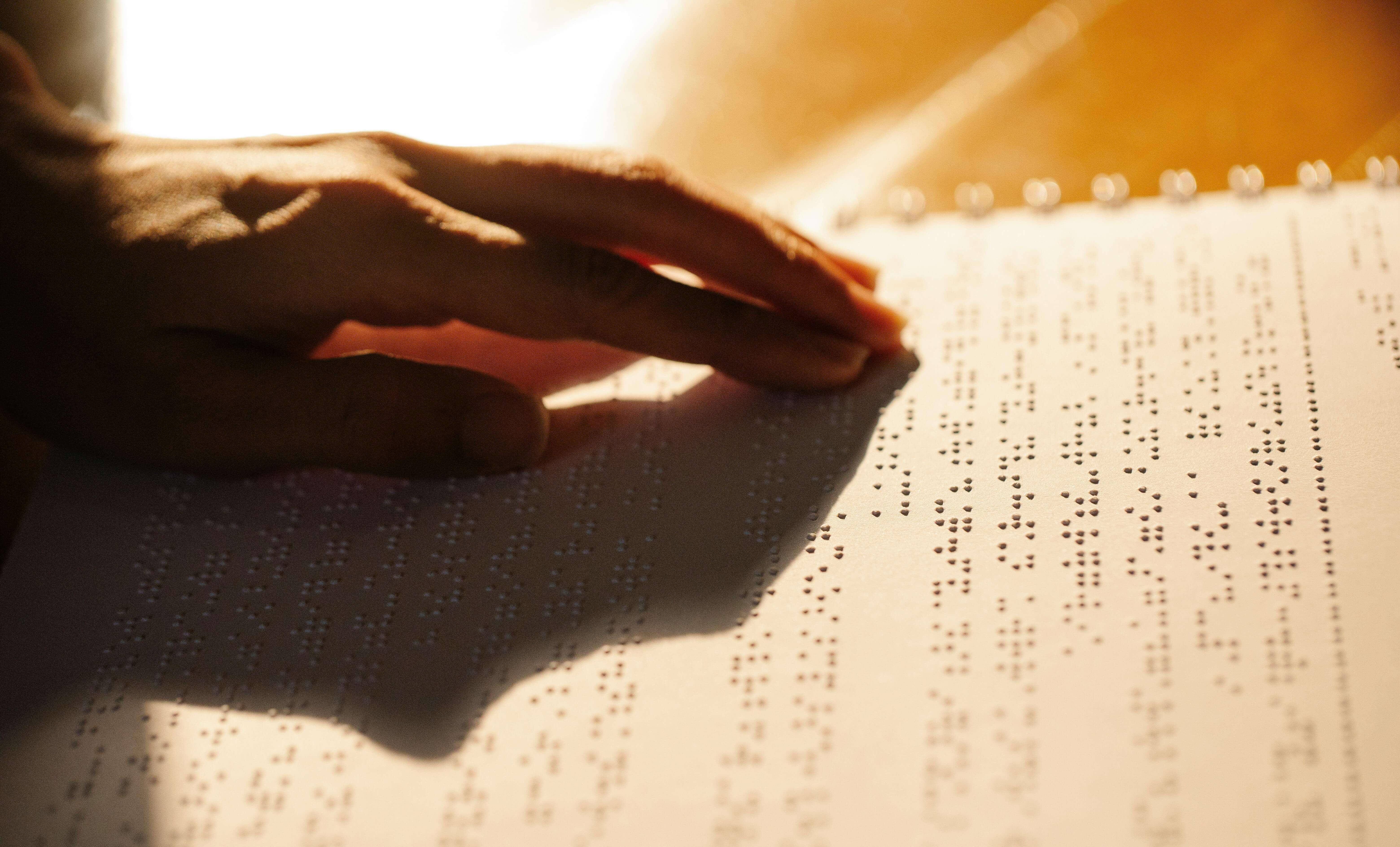
The Language of Touch That Redefined Possibilities - World Braille Day 2025
By: ImpactGuru
Published On: January 03, 2025
What if the world you knew suddenly disappeared into darkness? Could you ‘see’ with your fingertips? Could you navigate life with the same confidence?
For millions of visually impaired individuals, sight may be absent, but resilience lights their path forward. Every year, January 4th marks World Braille Day, a tribute to a revolutionary system that transformed lives and unlocked endless possibilities.
Braille isn’t just raised dots on paper - it’s a language of freedom, education, and empowerment. It’s a symbol of how innovation can rewrite the rules of possibility.
But how did it all begin? Let’s dive into a story that echoes the triumph of the human spirit.
From Shadows To Light: The Story Of Louis Braille
It all started with an accident. At just three years old, Louis Braille, a curious boy from Coupvray, France, injured his eye while playing with his father’s stitching awl tools. Despite medical attention, the infection spread, leaving him completely blind by age five.
But Louis was no ordinary child. His hunger for knowledge led him to the Royal Institute for Blind Youth in Paris, where he encountered a primitive reading system designed for soldiers.
It was bulky, impractical, and far from user-friendly.
Source: Pexels
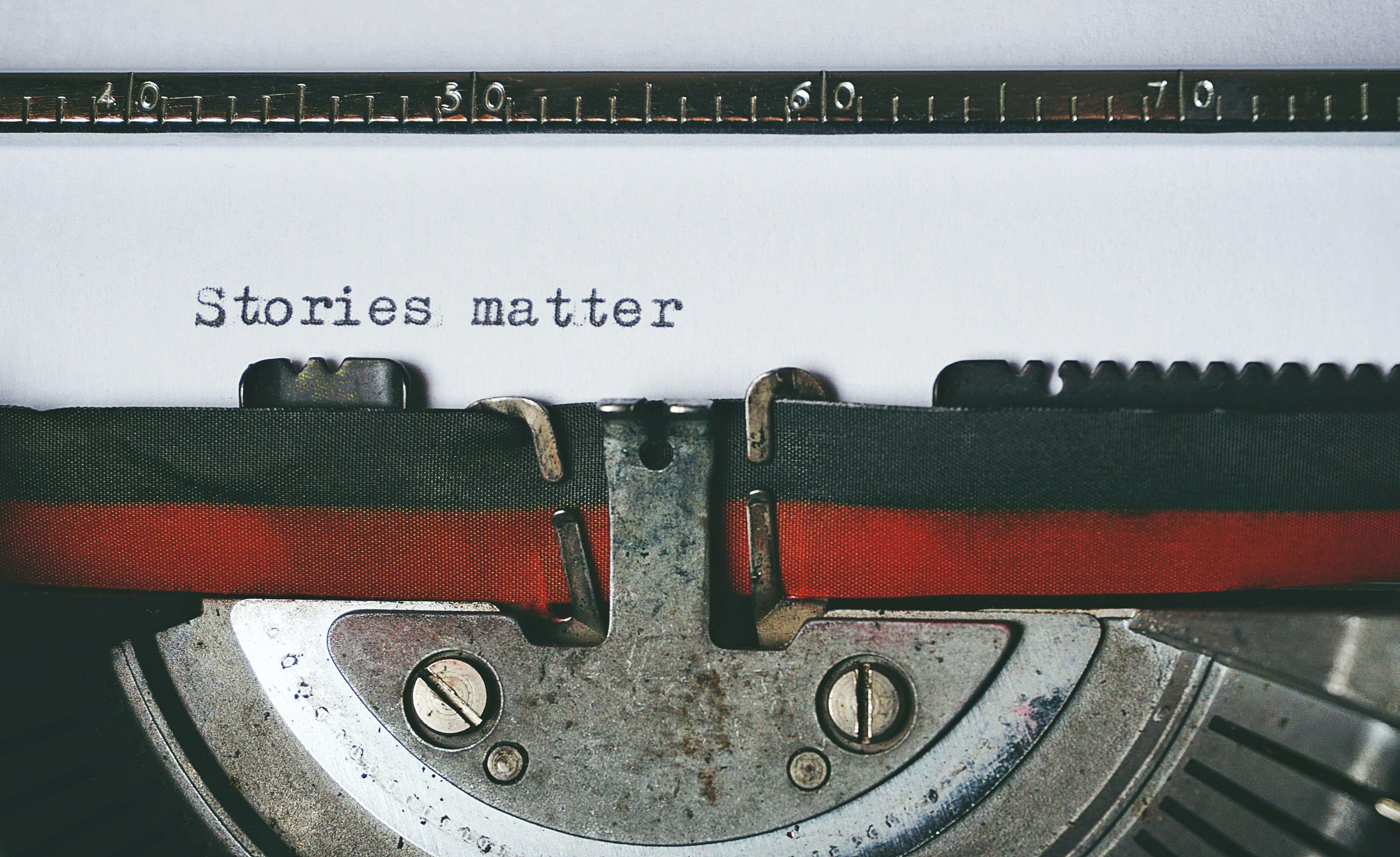
Unwilling to settle for less, Louis Braille invented the Braille system at just 15 years old - an elegant yet powerful method of reading by touch. What began as one boy’s effort to break barriers became a lifeline for millions worldwide. Braille is more than a tool; it’s a testament to human adaptability, resilience, and creativity.
Sharper Senses: The Magic of Adaptation
When one sense dims, the others often grow sharper. This isn’t just poetry - it’s science. Studies reveal that individuals who lose their sight often develop heightened senses of touch, hearing, and smell. Their brains rewire themselves, turning obstacles into opportunities.
Think of visually impaired musical legends like Ray Charles and Stevie Wonder, who turned their acute sense of hearing into musical genius. Or tactile artists who create masterpieces by feeling textures and forms. Their stories remind us that limitations often spark creativity and innovation.
Braille itself is a testament to this principle. It uses the power of touch to unlock knowledge and evolution, proving that when one door closes, others open—if we’re willing to explore them!
From Paper to Pixels: Evolution of Braille in the Modern World
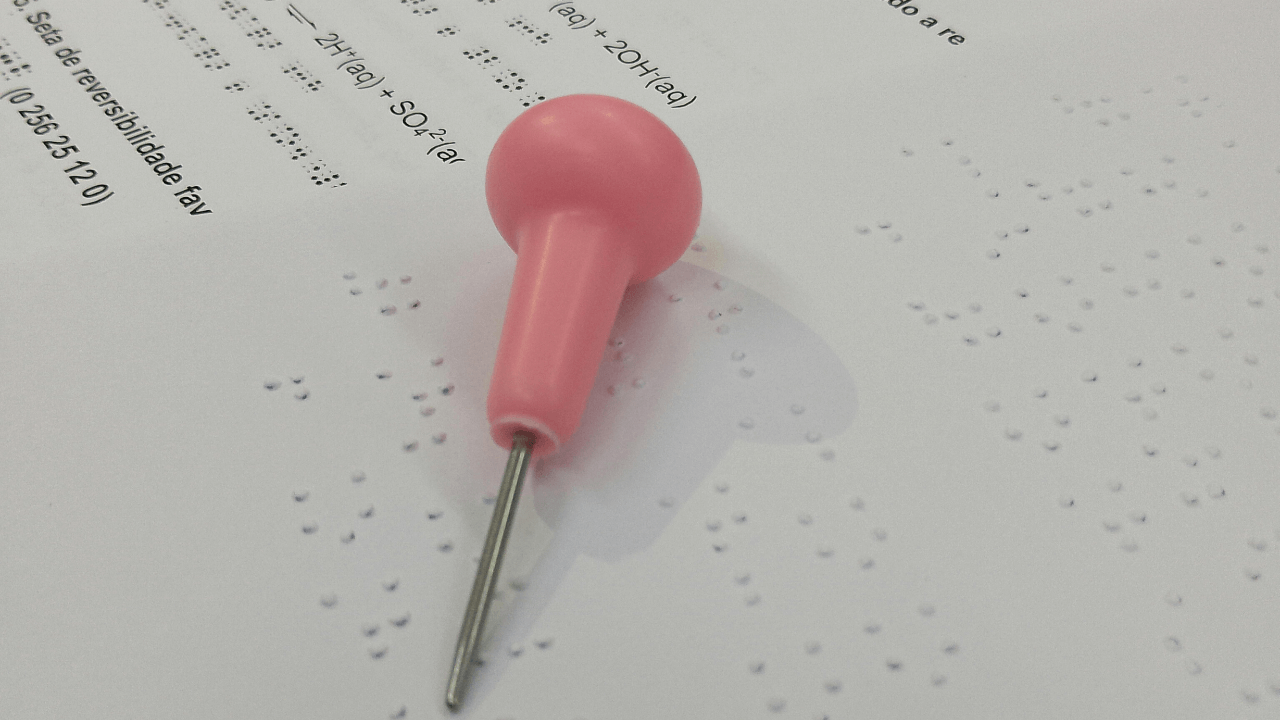
Braille’s journey didn’t end with embossed dots on paper. Over the decades, it has evolved to meet the demands of modern life. It has grown into a versatile system that integrates seamlessly with today’s technology.
From refreshable Braille displays to Braille-compatible smartphones, technology has ensured that visually impaired individuals can stay connected in an increasingly digital world. For instance:
Source: Pexels
Refreshable Braille Displays
Imagine being able to feel the words on a screen as though they were written in your hands. Refreshable Braille displays do just that, transforming digital text into tactile Braille. This means one can read everything from e-books to the latest news on the web, all with a simple touch.It’s like opening a door to a world where the digital and tactile worlds come together seamlessly.
Braille Keyboards and Notetakers
Meet the powerhouse tools of modern education and communication. Braille notetakers and tablets aren’t just about reading—they’re portable, high-tech companions for learning and sharing.Whether it’s reading textbooks, taking class notes, or sending emails, these devices are packed with features that empower students and professionals alike. And with cloud integration, sharing documents or collaborating with classmates has never been easier. It’s a classroom, office, and library all-in-one device, designed for those who don’t just keep up but thrive.
Audio-Braille Integration
What if you could hear and feel the words at the same time? Audio-Braille integration combines the best of both worlds, giving users an enriched experience through auditory and tactile feedback.It’s not just about reading, but understanding. With the added audio cues, even subtle differences in Braille characters can be distinguished with ease, making it simpler to navigate the complexities of language.
These technologies don’t just bridge the gap, they build new pathways for connection, learning, and interaction. In a digital age, accessibility isn’t just an add-on; it’s a key that unlocks endless possibilities to deeply impact the lives of the users.
Touching Lives: The Impact of Braille
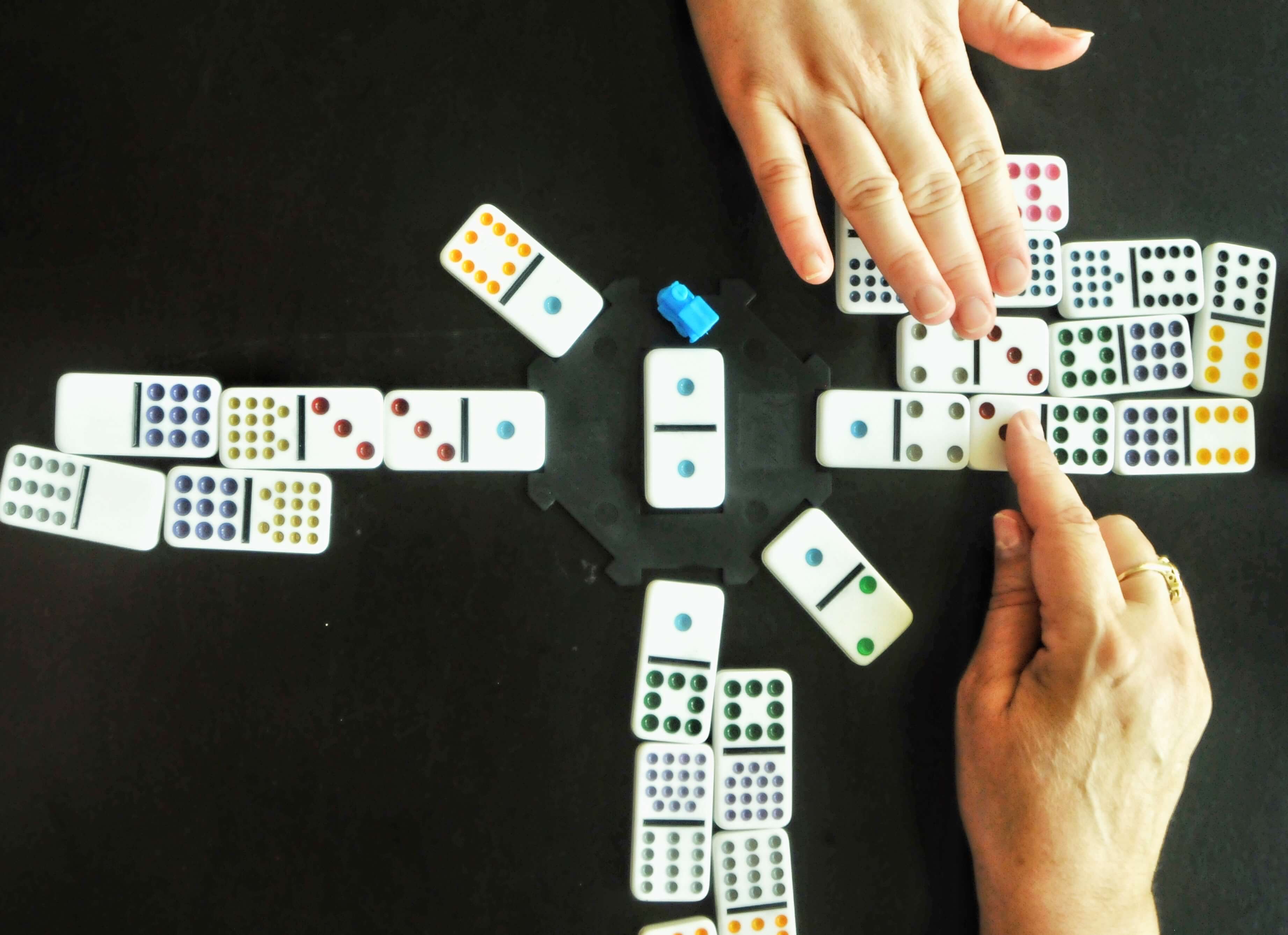
Braille is more than a reading system; it’s a gateway to independence. For visually impaired individuals, being able to read and write is a critical step toward self-reliance. Braille provides access to education, employment, and daily life activities that many of us take for granted.
Source: Envato
Consider the simple act of reading a book. For someone who is blind, Braille transforms what could be an isolating experience into an enriching one. It bridges the gap between them and the world, offering them the tools to thrive. Moreover, Braille fosters a sense of inclusion. By ensuring that public spaces, signage, and documents are accessible, we can create a world where everyone feels valued and seen—even without sight!
Also read This World Braille Day, Let's Take A Step Towards Inclusivity!
Thus, before we dive into some surprising and lesser-known details about blindness, it's important to acknowledge that blindness is often misunderstood. While many people are aware of the challenges faced by those with visual impairments, there is much more to this condition than meets the eye!
Little Known Facts About Blindness
1. Blindness Varies
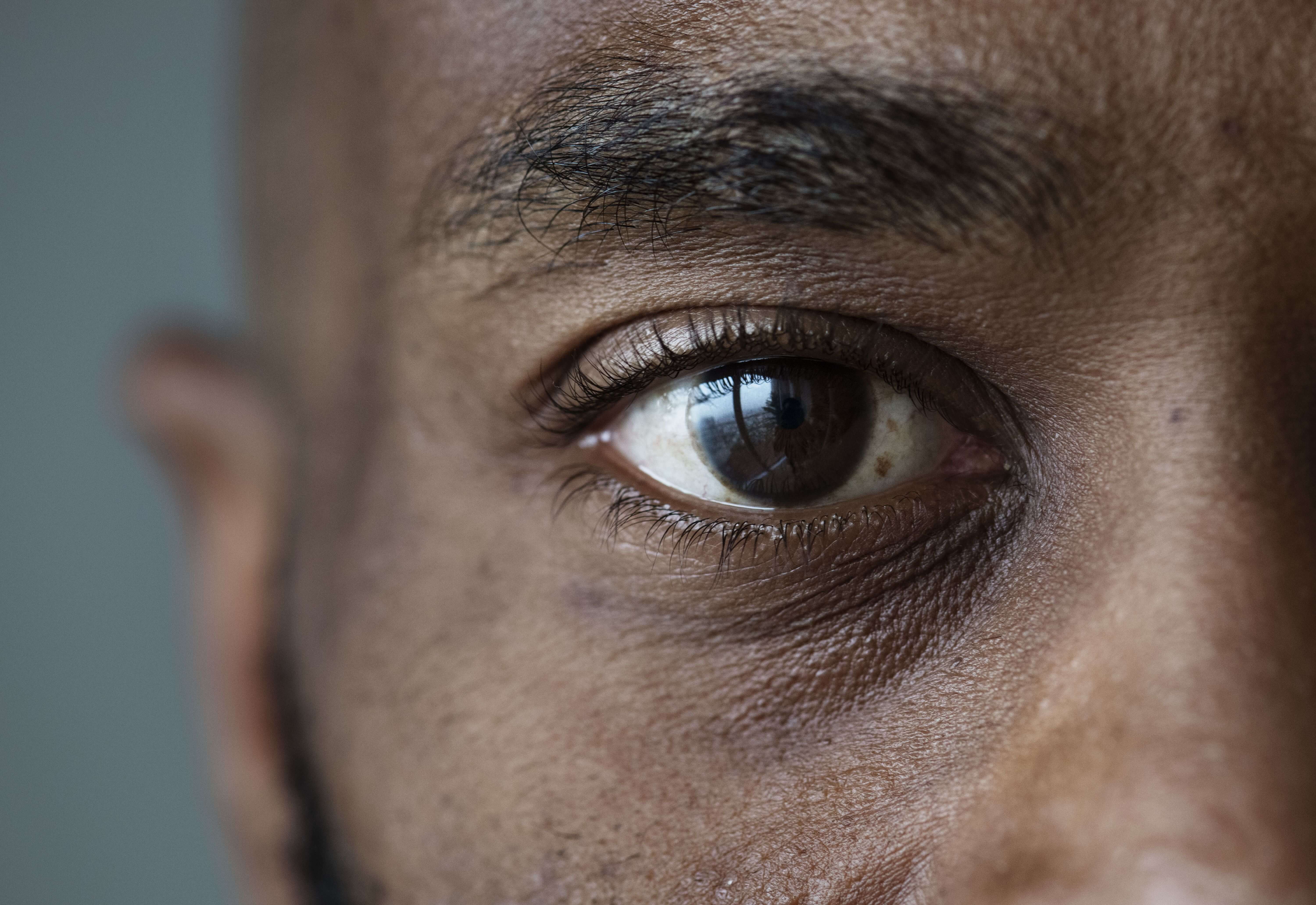
Not all blind individuals see complete darkness. Many can perceive colors, shapes, and light, while only 10–15% experience total blindness.
Source: Envato
2. Non-24-Hour Sleep Disorder
Over 70% of blind individuals face disruptions in their sleep-wake cycles, leading to insomnia or irregular patterns.
3. Dreams Without Sight
Blind individuals dream as vividly as anyone else but through sounds, smells, and sensations rather than visuals.
Thus, understanding the unique challenges faced by those who are blind brings to light the importance of empathy and action. As we reflect on these insights, World Braille Day serves as a powerful reminder that awareness alone is not enough. It's a call to each of us to take tangible steps toward making a difference; creating a truly inclusive world.
How Can We Make a Difference?
World Braille Day is not just about raising awareness; it’s about inspiring action. Here’s how we can help:
1. Support Braille Education - Consider donating to organizations that provide Braille education for children and adults. Each of our contributions can help empower the visually impaired, giving them the means they need to navigate the world with confidence.
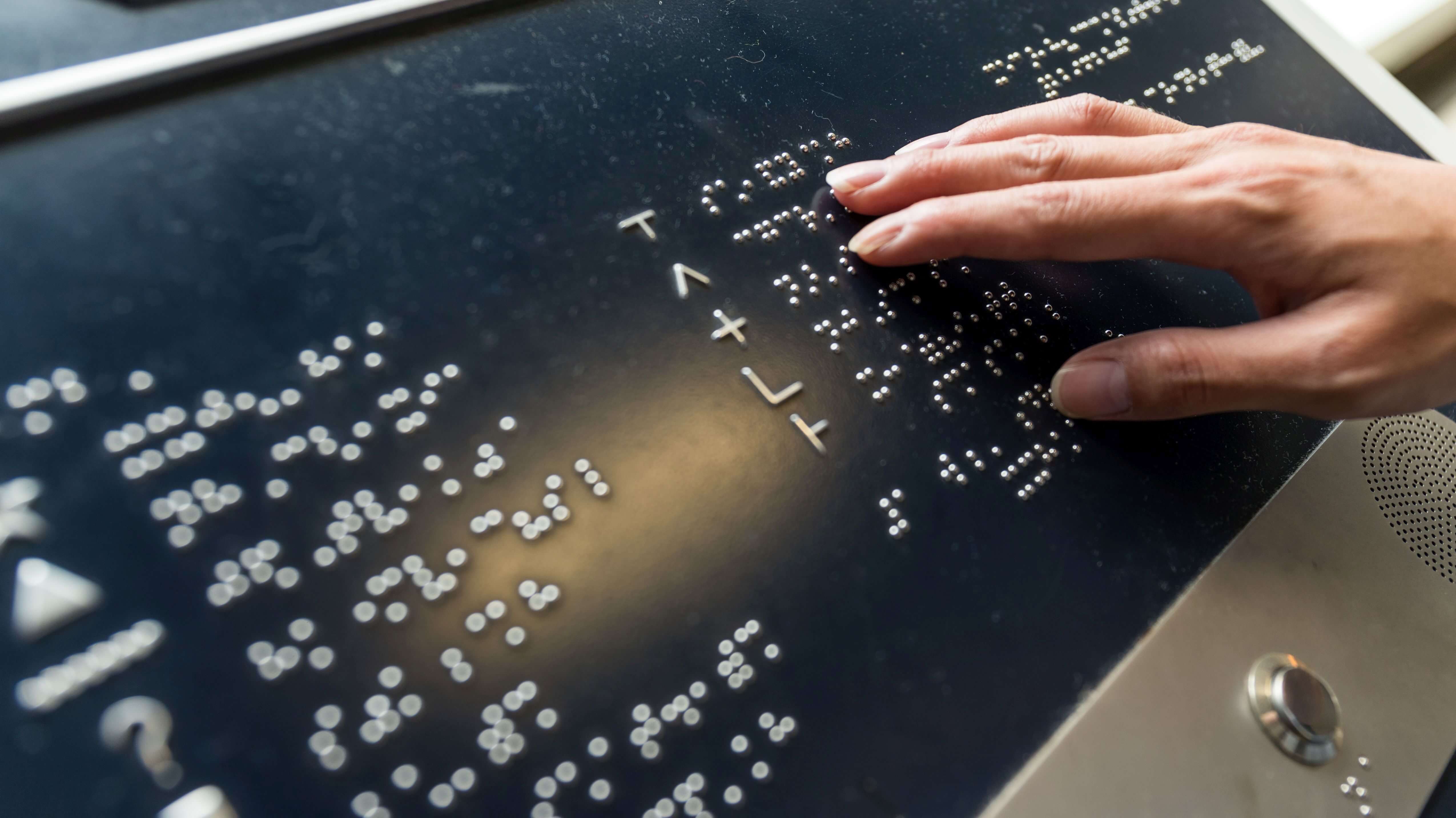
2. Advocate for Braille Signage – Imagine a world where wandering in public spaces like restaurants or transit hubs is easy for everyone. Thus, we can push for Braille signage in these places so people with visual impairments can feel just as independent as anyone else.
3. Encourage Braille in Technology – In a digital world, inclusivity should extend to tech. Thus, supporting companies that create products with Braille functionality, ensures that all users, no matter their abilities, can engage with technology.
4. Learning Braille – Last, but not least, a simple act like learning the basics of Braille can create deeper connections with visually impaired individuals, breaking down barriers and showing that we genuinely care.
Source: Envato
Small steps like these can create waves of change, making the world a more welcoming place for everyone, portraying that true vision goes beyond sight. It is about perceiving the world through different lenses, welcoming adaptability, and finding strength in diversity. Hence, the stories of visually impaired individuals succeeding in fields ranging from science to art remind us that challenges are not barriers but opportunities to think differently, teaching us resilience, resourcefulness, and the power of never giving up!
The Road Ahead: Vision Beyond Sight!
Today, as we celebrate World Braille Day, let’s reflect on the incredible journey from a young boy’s invention to a global movement for inclusivity. Braille has touched millions of lives, proving that innovation can break down barriers and build bridges. But the journey is far from over. With technological advancements and growing awareness, we have the tools to make the world even more accessible.
To end with that note, let’s commit to this mission—not just on January 4th but every day. Together, we can ensure that every individual, regardless of their abilities, has the opportunity to learn, grow, and shine. Let’s take a moment to honor the resilience and strength of those who navigate the world without sight, yet with unwavering determination.
To all the heroes who welcome the challenges of visual impairment, your courage and perseverance inspire us every day! May this day remind us all of the power of inclusion and the importance of creating a world where everyone can thrive.
Also read: Rising Cost Of Healthcare In India- What You Should Know


 Information
 Alert
Alert