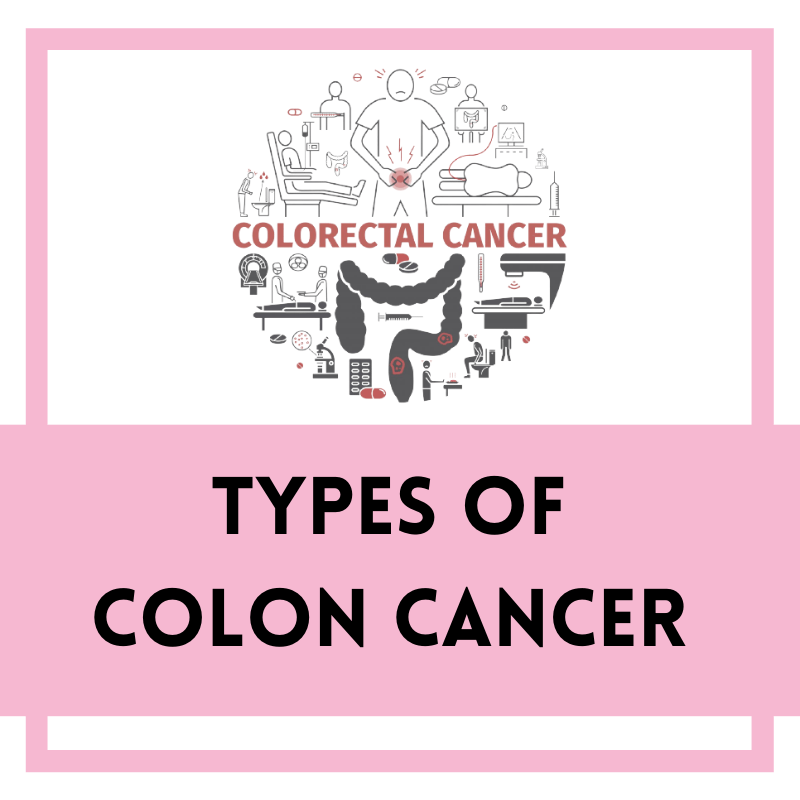
What You Need to Know About The Types of Colon Cancer
By: Aman, Zahabiya
Published On: April 12, 2022
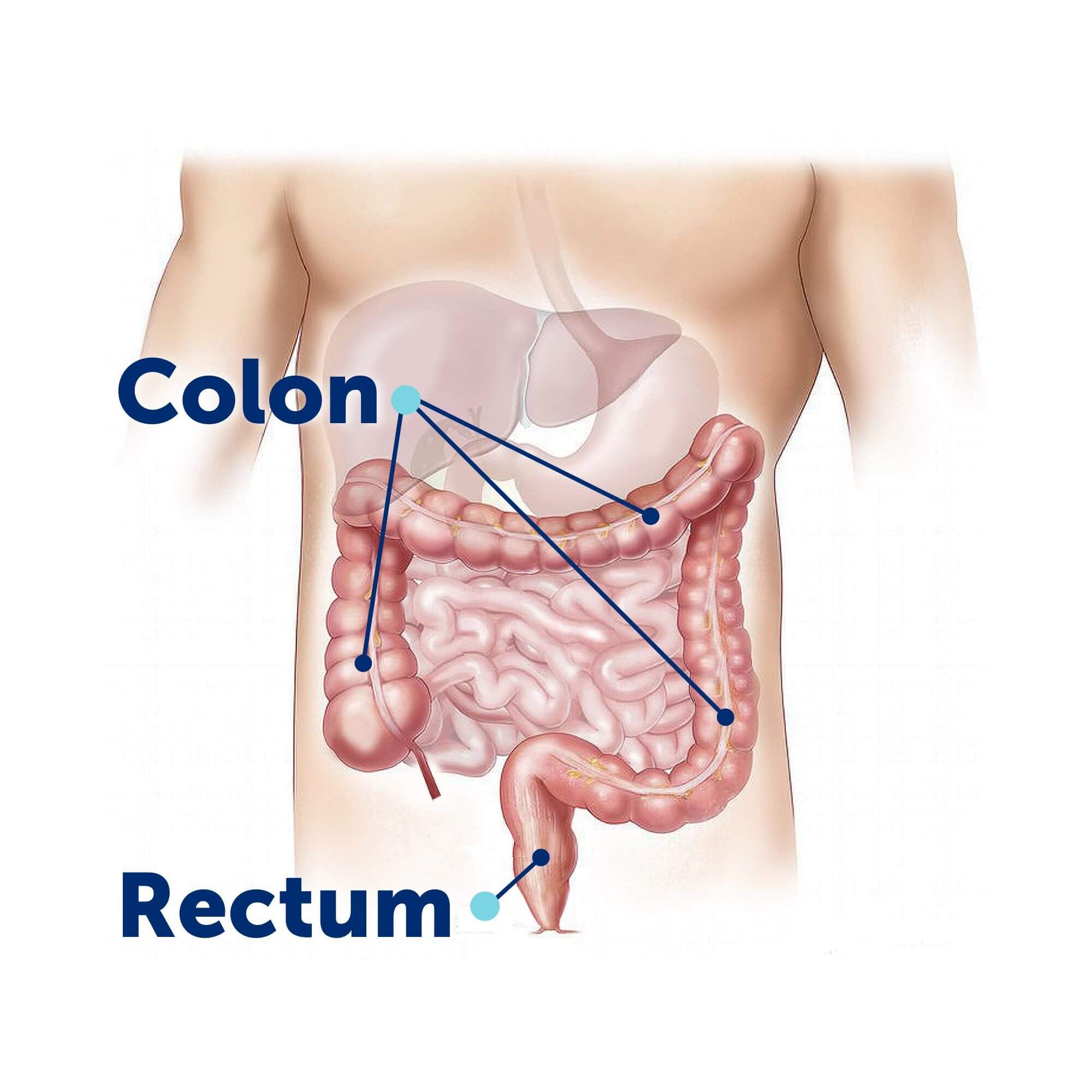
Colon cancer is a type of cancer that begins in the large intestine (colon). The colon is the final part of the digestive tract. This simple guide will help you learn all the different types of colon cancer, types of colon tumors plus resources to help you find support.
What Are The Types Of Colon Cancer?
The colon or the rectum can both be the site of colorectal cancer.
Colon cancer is a type of cancer that starts in the colon.
Rectal cancer is cancer that starts in the rectum.
Most colon and rectal cancers are a type of tumour called adenocarcinoma, which is cancer of the cells that line the inside tissue of the colon and rectum. This section specifically covers adenocarcinoma. Other types of colon cancer that occur far less often but can begin in the colon or rectum include a neuroendocrine tumour of the gastrointestinal tract, gastrointestinal stromal tumour (GIST), small cell carcinoma, and lymphoma.
Colorectal adenocarcinoma
"Adeno" is a prefix meaning gland. "Carcinoma" is a type of cancer that grows in epithelial cells, which line the surfaces inside and outside the body. Adenocarcinomas develop in the lining of the large intestine (colon) or the end of the colon (rectum). They often start in the inner lining and spread to other layers.
There are two less common subtypes of adenocarcinomas:
Mucinous adenocarcinoma is made up of about 60 percent mucus. The mucus may cause cancer cells to spread more quickly and become more aggressive than typical adenocarcinomas. Mucinous adenocarcinomas account for 10 percent to 15 percent of all rectal and colon adenocarcinomas. Signet ring cell adenocarcinoma accounts for fewer than 1 percent of all colon cancers. Named for its appearance under a microscope, signet ring cell adenocarcinoma is typically aggressive and may be more difficult to treat.
Gastrointestinal carcinoid tumours
Carcinoid tumours develop in nerve cells called neuroendocrine cells, which help regulate hormone production. These tumours are among a group of cancers called neuroendocrine tumours (NETs). Carcinoid tumour cells are slow-growing and may develop in the lungs and/or gastrointestinal tract. They account for about 1 percent of all colorectal cancers and half of all cancers found in the small intestine.

Source: Canva
Rare Types Of Colorectal Cancer
Other types of rare colorectal cancers combined account for less than 5 percent of all cases:
Primary colorectal lymphomas
A type of non-Hodgkin lymphoma, this cancer type develops in the lymphatic system, specifically in cells called lymphocytes. Lymphocytes are a type of white blood cell that helps the body fight infections. Lymphoma may develop in many parts of the body, including the lymph nodes, bone marrow, spleen, thymus and the digestive tract. Primary colorectal lymphomas account for 0.5 percent of all colorectal cancers and about 5 percent of lymphomas. This colorectal cancer type usually develops later in life and is more common in men.
Gastrointestinal stromal tumours
Gastrointestinal stromal tumours are a rare type of colorectal cancer that forms in special cells found in the lining of the gastrointestinal (GI) tract called interstitial cells of Cajal (ICCs). More than 50 percent of GISTs develop in the stomach. While most other GISTs form in the small intestine, the rectum is the third most common location. GISTs are classified as sarcomas, or cancers that begin in the connective tissues, which include fat, muscle, blood vessels, deep skin tissues, nerves, bones and cartilage.
Colon and rectal leimyosarcomas
Another form of sarcoma, leiomyosarcoma essentially means “cancer of smooth muscle.” The colon and rectum have three layers of the type of muscle affected by leiomyosarcoma, and all three work together to guide waste through the digestive tract. This rare type of colorectal cancer accounts for about 0.1 percent of all colorectal cases.
Colon and rectal melanomas
Most commonly associated with skin cancer, these may start to develop anywhere, including in the colon or rectum, or may spread to the GI tract from the primary melanoma site. Melanomas account for 1 percent to 3 percent of all cancers that develop in the digestive system, according to research published in BMJ Case Reports. How melanomas develop in the colon isn’t well understood, as it’s extremely rare. Diagnosis may involve a biopsy and other tests to determine whether cancer spread from elsewhere in the body or started in the colon or rectum.
Colorectal squamous cell carcinoma
This cancer, also known as SCC, is extremely rare in the colon, with fewer than 100 cases reported in the literature as of a 2017 case report in the Journal of Community Hospital Internal Medicine Perspectives. Squamous cell carcinoma is typically associated with skin cancer—it’s the second most common type of skin cancer. Squamous cells are a particular type of cell present in many areas of the body. Squamous cell carcinoma occurs when these cells start growing uncontrollably and become cancerous. The reason why this rarely occurs in the colon and rectum isn’t well understood.
Hereditary Colon Cancer or Familial adenomatous polyposis (FAP)
If colon cancer runs into your family, then you are more likely to develop hereditary colon cancer. About 5 to 10% of people get colon cancer because it is in their hereditary. Familial adenomatous polyposis (FAP accounts for about 1 percent of all cancers in the colon or rectum, according to the ACS. People with this syndrome may develop hundreds or even thousands of colon or rectal polyps. These polyps tend to occur when people with this syndrome are 10 to 12 years old. Nearly all people with FAP develop colorectal cancer during their lifetime, and as a result, some people have their colon removed as a preventative measure.
A serious diagnosis, such as colon cancer, can be frightening and stressful. Fortunately, colon cancer is curable, especially if caught early. According to the American Cancer Society, colon cancer that is detected before it has spread beyond the colon and rectum has a 91 percent 5-year survival rate trusted Source. Furthermore, these survival rates are based on data spanning the years 2010 to 2016. In recent years, new cancer treatments have resulted in increasingly better outcomes.
Cancer causes suffering of immense measure, and ImpactGuru believes that one must not refrain from curing cancer owing to financial reasons. Our crowdfunding platform helps many people suffering from cancer and other diseases to raise money in order to cover the medical expenses occurring due to treatment. Expensive treatments can be covered with the help of ImpactGuru’s crowdfunding platform, as once you start a fundraising campaign, many generous donors will provide you with financial support to cover your expenses pertaining to colon cancer.
Start a fundraiser to begin fundraising for your or a loved one’s cancer treatment today.


 Information
 Alert
Alert