Endometriosis Awareness: Why “Period Pain” Shouldn’t Be Dismissed
By: ImpactGuru
Published On: March 30, 2026
For generations, women were made to believe their pain was something they had brought upon themselves.
In the late 20th century, Endometriosis (a chronic pain disorder caused by abnormal growth outside the uterus) was once referred to in medical textbooks as a “career woman’s disease”. According to them, endometriosis only occurred when women decided to wait to have children to pursue a career.
Today, while medicine has progressed past that belief, the consequences of it still linger in how easily this pain is dismissed even today.
Also Read: W.O.M.A.N. – What Does It Mean To Be A Woman In Today’s World?
“It’s just period pain, it happens every month…”
Women struggling through unbearable pain during menstruation are led to believe it’s a part of life. They are made to think that missing school, college, and eventually even their workplaces is normal during periods.
Source: Envato Elements
But while women bear this pain month after month, they miss the signs that something more dangerous may be hiding in plain sight — Endometriosis.
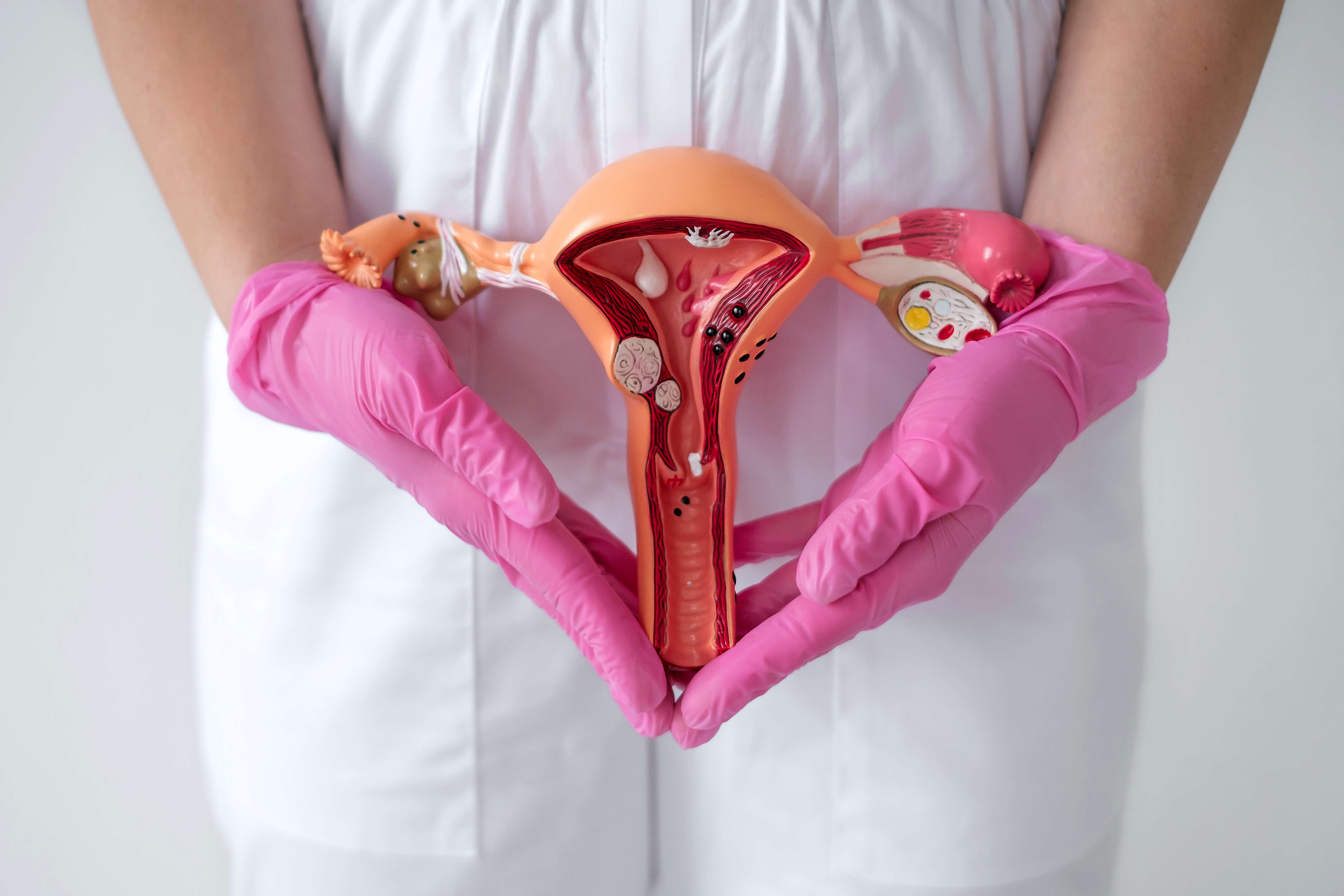
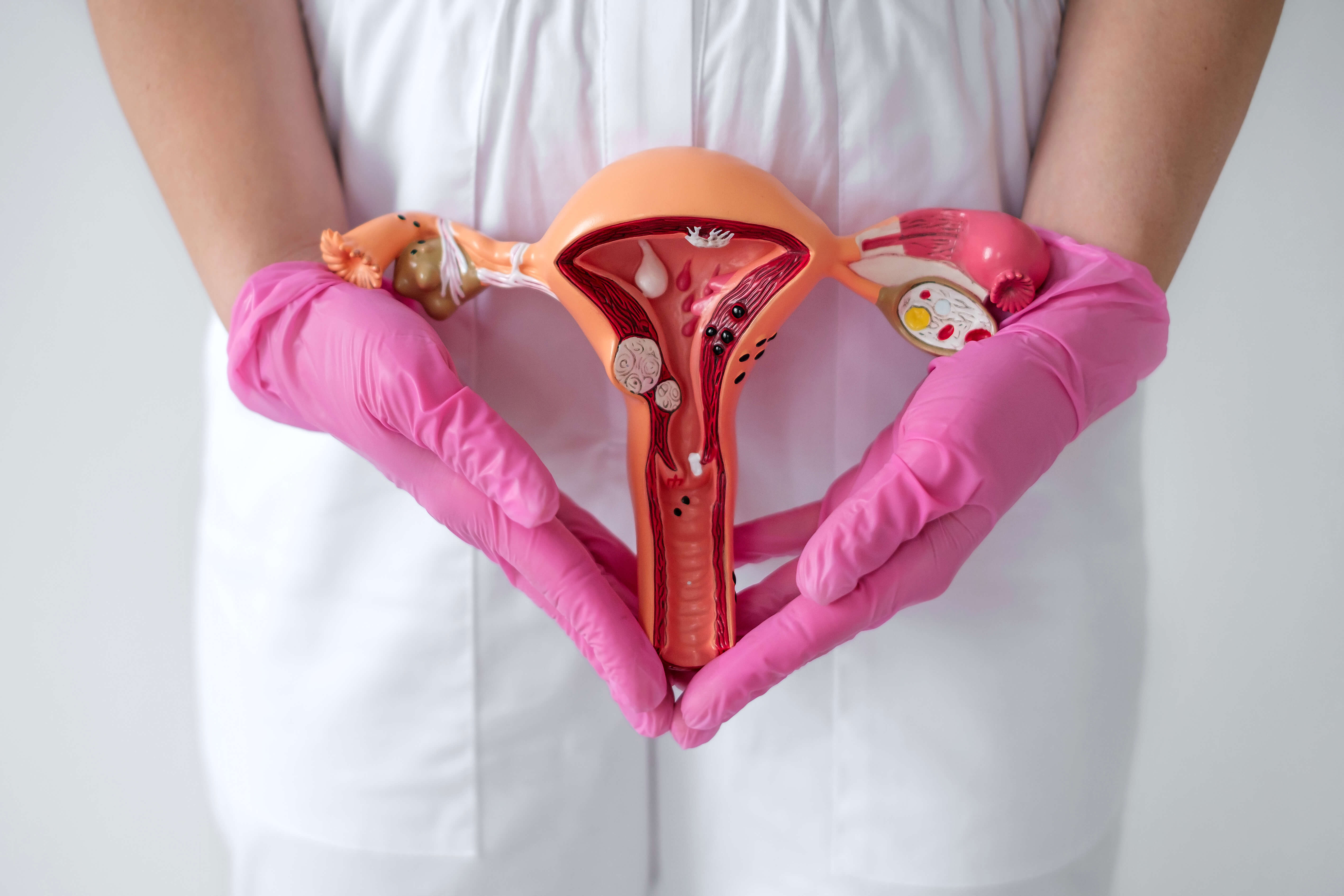
For those who are not aware, endometriosis is a condition where tissue similar to the lining of the uterus grows outside of it, commonly in the pelvis, but sometimes even in areas like the abdomen or chest.
This misplaced tissue continues to behave like the uterine lining: thickening, breaking down, and bleeding, but with no way to exit the body, leading to severe pain, inflammation, and complications over time.
In India, 42 million women live with endometriosis today.
Yet, awareness around endometriosis remains surprisingly low. Many people have never heard of it, and even those who have often misunderstand it as nothing more than ‘bad period pain’.

Source: Envato Elements
This Endometriosis Awareness Month, we aim to bridge that gap: to help you recognise the signs, understand the reality of the condition, and start conversations that could lead to earlier care, better support, and fewer years of silent suffering.
Also Read: Can Women Pause Their Biological Clock? Here’s What Every Parent Should Know
Endometriosis Awareness Month
March marks Endometriosis Awareness Month, a time dedicated to amplifying voices, breaking stigma, and bringing attention to a condition that affects nearly 1 in 10 women of reproductive age globally. This year’s theme, ‘Endometriosis Doesn’t Wait’, spotlights the importance of better awareness & a timely diagnosis for women who often suffer in silence.
But endometriosis doesn’t wait while symptoms are dismissed, warning signs are overlooked, or pain is quietly endured. Left untreated, endometriosis can escalate to organ damage or even cancer.
So, what can we do to prevent this?
It is said that the first step towards bringing change is awareness. And often, awareness begins with simply recognising when something doesn’t feel right.
Recognizing the Signs: The 5 D’s of Endometriosis
A helpful way to remember the common symptoms of endometriosis is through the 5 D’s:

Source: Envato Elements
Dysmenorrhea – Severe, debilitating period pain
Dyspareunia – Pain during or after sex
Dyschezia – Painful bowel movements
Dysuria – Painful urination
Dysfunctional bleeding / Diffuse pain / Infertility – Irregular bleeding, widespread pain, or difficulty conceiving
If these symptoms feel familiar, they shouldn’t be ignored. Visit a gynaecologist for more information & clarity.
Also Read: 5 Ways To Support Mothers Facing Postpartum Depression
However, even when these signs are recognised, getting a clear diagnosis is a long and difficult road ahead.
Why is Endometriosis so Hard to Diagnose?
Symptoms vary widely and are often mistaken for other hormonal or digestive conditions.
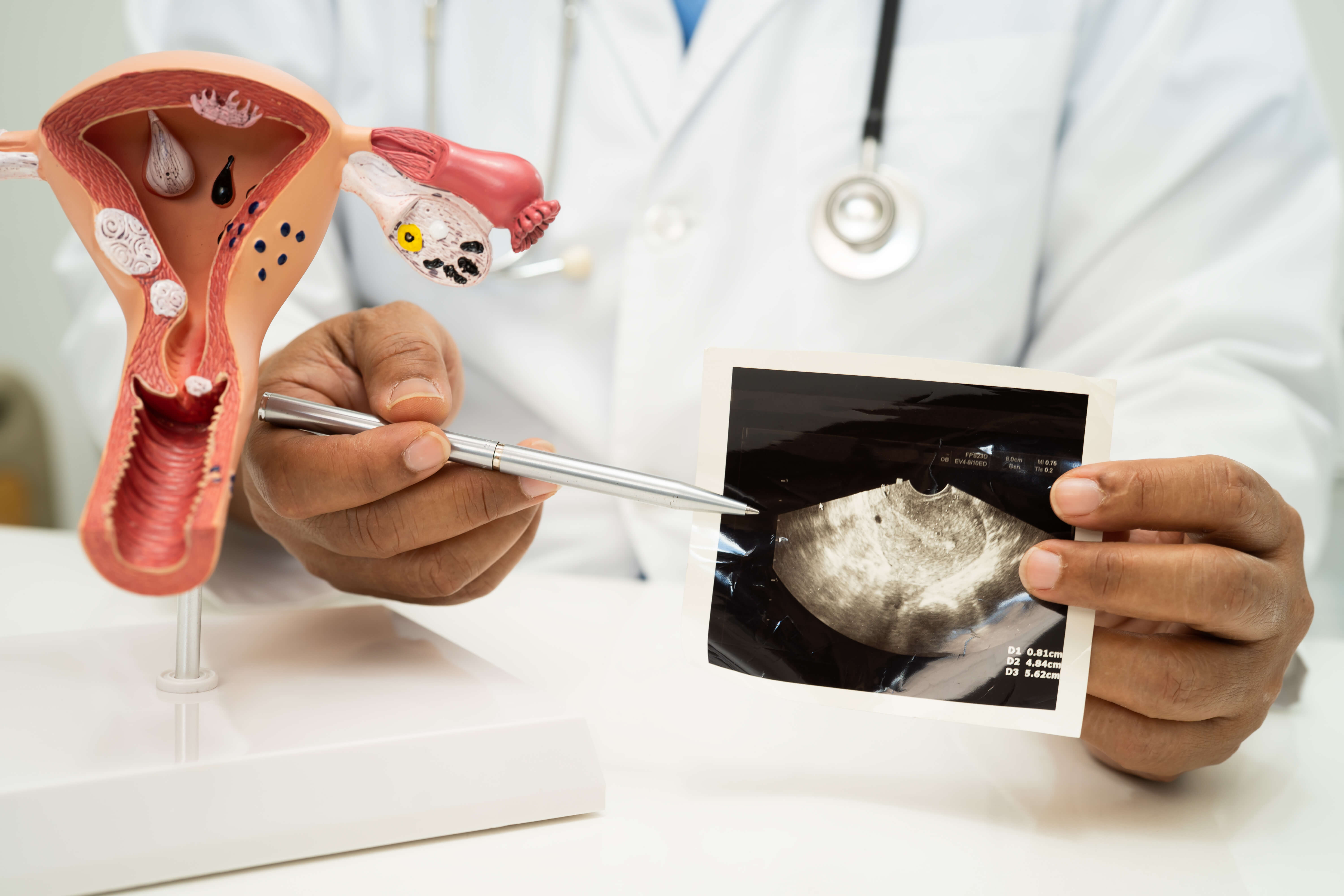
It doesn’t show clearly on scans like ultrasounds or MRIs; confirmation usually requires laparoscopic surgery.
Sometimes, patients themselves dismiss their pain, believing severe discomfort is just part of menstruation.
Cultural taboos around periods make open conversations difficult, delaying care.
On average, it takes 4-12 years for a woman to get an official endometriosis diagnosis. But what happens until then?
If Endometriosis is Not Diagnosed on Time…
Chronic Pain Progression: Ongoing inflammation can result in long-term pelvic pain.
Fertility Challenges: Scarring and adhesions can affect reproductive organs, leading to infertility.
Organ Damage & Cysts: Endometriomas (ovarian cysts) and deep lesions can develop, sometimes impacting the bladder, bowel, or kidneys.
Increased Health Risks: Long-standing cases have been linked to certain rare ovarian cancers.
Also Read: Endometrial Cancer: Signs And Symptoms
Does Endometriosis Have a Cure?
Currently, there is no cure for endometriosis. However, it can be managed through a combination of treatments, including medication, hormonal therapy, pain management, and in many cases, surgery to remove severe adhesions.

Source: Envato Elements
But here’s the challenge: The longer the diagnosis is delayed, the more complex the treatment can become. In advanced stages, surgery may be more invasive, recovery longer, and outcomes more uncertain.
With treatment costs going up to lakhs, access to timely and effective endometriosis treatment can be difficult for many families.
How ImpactGuru Can Help
For patients navigating endometriosis, especially those requiring surgeries or long-term care, financial support can make all the difference.
Because for many, the challenge lies beyond an endometriosis diagnosis. It’s about being able to afford the right treatment on time. That’s where ImpactGuru steps in, connecting patients in need of medical funds with communities that care.

If you or someone you know is struggling to afford endometriosis treatments, simply start a free fundraiser on ImpactGuru.
Because sometimes, acting sooner simply makes the road ahead a little less difficult.
Changing the Way We Look at Pain
Endometriosis may have been misunderstood for years, but that doesn’t mean it has to stay that way. The more we question what we’ve been told is “normal,” the easier it becomes to recognise when something isn’t. And for many, that recognition is what finally leads to answers.
Not every conversation will be easy, and not every symptom will be clear right away. But paying attention, speaking up, and seeking clarity when something feels off can make a real difference — not just in diagnosis, but in how early someone gets the care they need.
Source: Envato Elements
This Endometriosis Awareness Month, let that be the takeaway: to listen more closely, take pain seriously, and make space for conversations that help more people get the support they deserve.


 Information
 Alert
Alert