
5 Ways To Support Mothers Facing Postpartum Depression | #MothersDay
By: ImpactGuru
Published On: May 08, 2025
As Mother’s Day approaches, so do the frantic Google searches of ‘thoughtful gift ideas for Mother’s Day’, ‘what to gift mom on Mother’s Day’, and more. Heartfelt reels and posts start flooding our Instagrams—highlighting a mother’s strengths, quirks, and sacrifices.
We call them superheroes. We say they’re selfless. We praise their strength. But the truth is, most of us have no idea how much our mothers really sacrificed for us.
While pregnancy is often called a magical time in a mother’s life, its journey is not without its ups and downs. A mother’s body irreversibly changes during pregnancy, with organs rearranging themselves to make room for the new growing life. From hormonal changes to dire fatigue, one of the silver linings in this time is looking forward to the arrival of their precious one.
And yet—what happens after birth?
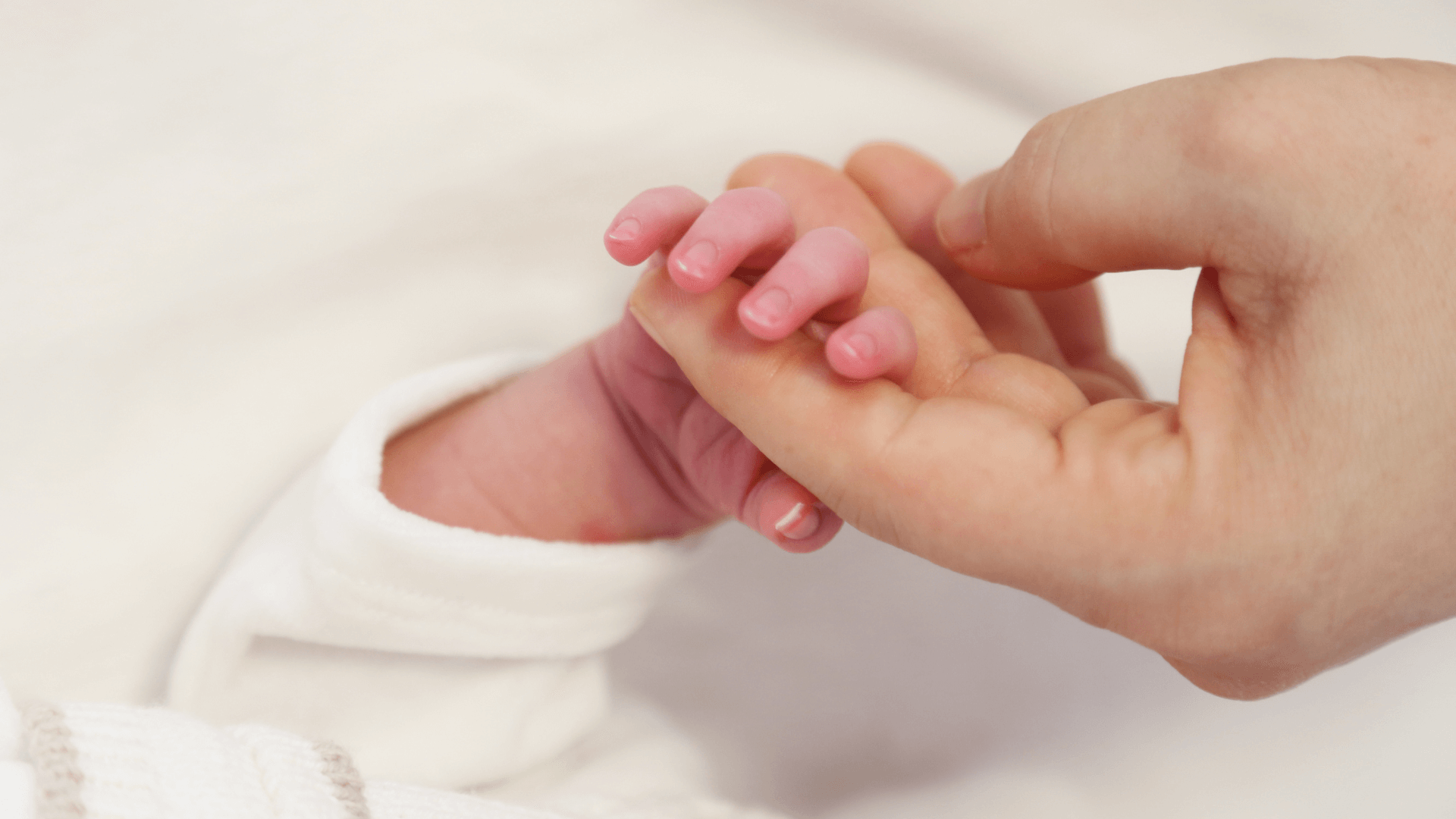
Source: Canva Pro
We like to imagine that the moment a mother sees her newborn’s face, everything clicks into place. The exhaustion fades. The pain dissolves. The happiness rushes in like sunlight through a windowpane. But it’s actually not as simple as it seems.
Postpartum, many mothers find themselves battling waves of sadness, anxiety, and self-doubt. They may feel disconnected from their baby and wonder why they’re not as happy as they ‘should’ be. And the guilt that follows only deepens the ache. This is called postpartum depression—a condition that affects about 1 in 7 mothers, but is seldom talked about.
Mother’s Day 2025: Understanding Postpartum Depression
Mother’s Day, annually celebrated on the second Sunday of May, is a global occasion for showing our gratitude and appreciation for mothers and maternal figures. As we rightfully honour the beauty of motherhood, let’s not forget to acknowledge its hardships and complexities as well.
Also Read: Three Inspiring Stories of a Mother's Unconditional Love: A Tribute on Mother's Day
Many fail to understand postpartum depression, a serious mental health condition affecting new mothers. What is supposed to be a mother’s happiest time of her life, becomes one filled with severe anxiety, stress, loss of identity, and guilt with this often unseen aspect of motherhood.

Source: Canva Pro
While the term ‘postpartum depression’ can call to mind the worst in headline news, the reality is far more nuanced.
The Many Faces of Postpartum Depression
Postpartum depression doesn’t wear just one face, but manifests itself in varied ways—uncontrollable tears, overwhelming sadness for no reason, dissociation, and on the extreme end of the spectrum, thoughts of hurting themselves or their babies.
But why does it happen? Postpartum depression can be attributed to a complex interplay of factors. One of the key contributors to this shift is the sharp decline in estrogen and progesterone levels, two crucial hormones responsible for preparing the body for childbirth.
After giving birth, the primary source of these hormones is abruptly removed, disrupting hormonal balance and emotional well-being. This condition can also be influenced by a myriad of biological, psychological, and social factors such as a history of depression or anxiety, stressful life events, inadequate support, trouble breastfeeding, and difficulty adapting to the demands of motherhood.

Source: Canva Pro
Unlike baby blues, where symptoms fade away within days, postpartum depression’s effects are more intense and last longer. Unfortunately, society fails to understand the seriousness of this condition. As a result, new mothers may feel embarrassed, ashamed or guilty about feeling depressed, and fear that they'll be seen as a bad mother.
Also Read: What Does It Mean To Be A Woman In Today’s World?
Postpartum Depression: A Misunderstood Aspect of Motherhood
This stigma surrounding postpartum depression often makes mothers afraid to speak up about their struggles and suffer in silence. But it is important to understand that having postpartum depression is not a reflection of how much a mother loves her child, or a maternal flaw.
It is an unfortunate and complex journey of stepping into motherhood, faced by a majority of mothers today. The good news is that postpartum depression is treatable, provided that mothers are given a safe space to voice their struggles and practice self-care methods without any judgement or guilt.

Source: Canva Pro
Healing and acceptance take time, and mothers need unconditional support to navigate this transition with compassion, not just from healthcare providers, but from family, friends, and society as a whole.
How Can We Support Struggling Mothers?
Addressing the stigma and systemic barriers surrounding postpartum depression is crucial to ensure that all women receive the support they need during this important period of their lives.
1. Support From Significant Others
Becoming a mother means taking on a whole new responsibility of the life of a tiny human being. Suffering from postpartum depression can make this responsibility feel overwhelming at times, which is where significant others and family members can play a crucial role. From helping with household tasks to sharing equal responsibility for the baby, a partner’s support can make a world of difference in a mother’s recovery journey.

Source: Envato Elements
2. Support From Healthcare Providers
Doctors, nurses, and mental health professionals play a vital role in identifying, treating, and guiding mothers through postpartum depression. Routine mental health screenings after birth, compassionate conversations, and accessible treatment options can make all the difference in helping mothers feel seen, validated, and supported on their path to recovery.
3. Support From the Workplace
Postpartum depression affects not just a mother’s maternal life, but their professional life as well. Lack of adequate maternity leave and the pressure of performing in the workplace can add to the stress a mother faces during this time. Employers can support their recovery by offering flexible schedules, paid maternity leave, and supportive reintegration into the workplace.
4. Support From the Government
Public services like mental health support hotlines, affordable healthcare, and other mental health resources from the government can be a lifeline for mothers unable to access treatment for postpartum depression.
5. Support From Society
Finally, as a society, we must challenge the stigma surrounding postpartum depression. Raising correct awareness about the challenges of postpartum depression, and encouraging open dialogue among struggling mothers can help dispel myths and help provide support at the right time.

Source: Envato Elements
Overall, it’s important to remind mothers that they don’t have to walk this difficult journey alone, and that can only be effectively shown with our whole-hearted support.
Also Read: World Breastfeeding Week: The Need For Breastfeeding Support
A Message of Hope From ImpactGuru
To every mother facing postpartum depression: never forget that there is hope and that you are not alone. Postpartum depression is treatable and does not define your worth as a mother. It’s important to understand that seeking help is a sign of strength, not shame.
If you or someone you know is struggling, reach out to helplines and mental health counselling services for confidential support. Healing is possible, and you deserve it.

Source: Canva Pro
At ImpactGuru, we believe no mother should face her battles alone. Through the power of community and fundraising, we help families access the care they need, because every mother deserves hope, healing, and a future full of light.
This Mother’s Day, let’s honour all mothers—not just for their strengths and sacrifices, but for their courage in facing the hard moments too. Together, we can support mothers on their journey towards healing and recovery.
ImpactGuru wishes every mother a Happy Mother’s Day filled with hope, health, happiness, and love.


 Information
 Alert
Alert