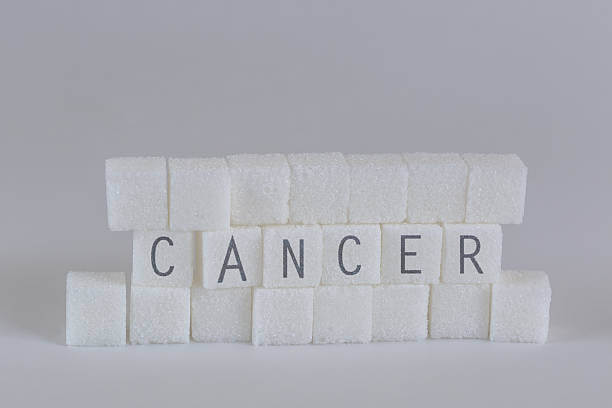
8 Common Cancer Myths Debunked
By: Sukhada, Diamond
Published On: April 28, 2022
The World Health Organisation claims cancer to be a leading cause of death worldwide, accounting for nearly 10 million deaths in 2020. You must be curious to know what makes this disease so fatal and what causes it. Could the bread loaf you are eating or the hair dye you are using cause cancer? But before getting there, let us understand some basics about this disease.
What is Cancer?
The World Health Organisation defines cancer as a group of diseases that occurs when abnormal cells grow uncontrollably or spread to other parts of the body.
What are the different types of cancer?
Lung, prostate, colorectal, stomach and liver cancer are the most common types of cancer in men, while breast, colorectal, lung, cervical and thyroid cancer are the most common among women.
What are the early signs and symptoms of cancer?
Common signs and symptoms could be:
Fatigue or extreme tiredness that doesn’t get better with rest.
Weight loss or gain of 10 pounds or more for no known reason
Eating issues such as not feeling hungry, trouble swallowing, belly pain, or nausea and vomiting
Swelling or lumps anywhere in the body
Pain, especially new or with no known reason, that doesn’t go away or gets worse
Cough or hoarseness that does not go away
Unusual bleeding or bruising for no known reason
Change in bowel habits, such as constipation or diarrhoea, that doesn’t go away or a change in how your stools look
Fever or nights sweats, Headaches
According to the World Health Organisation, 30-50% of all cancer cases are preventable.
Prevention of cancer offers the most cost-effective long-term strategy for the control of the disease. Some misconceptions regarding cancer need to be overcome as having the correct knowledge can help an individual understand cancer better. Following are some common misconceptions about cancer:
Chemotherapy is always painful and has bad side effects
This is one of the most common misconceptions about cancer. Chemotherapy doesn’t always hurt. The oral form of chemotherapy is usually painless. Experiencing fatigue, lack of appetite, diarrhoea, irritation to the nerves, ache in limbs, mouth sores and bleeding gums after chemotherapy, however, is common.
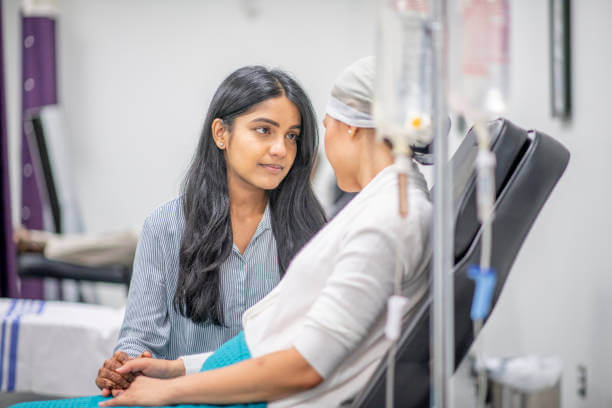
Pregnant women cannot get cancer treatment
Having surgery for breast cancer while a woman is pregnant is usually safe. Chemotherapy is safe for the baby if given in the second or third trimester of pregnancy, but not in the first trimester. Other cancer treatments, such as hormone therapy, targeted therapy, and radiation therapy are not usually given during pregnancy as they are more likely to harm the baby.
Hair dye use can cause cancer
Some chemicals used in early hair dyes were reported to be carcinogenic on animals. Early hair dyes used to contain chemicals, including aromatic amines that could cause cancer in animals. However, the new improved dyes have different components in them and no longer contain the carcinogenic chemicals in them. Yet, it is unclear whether the chemicals used in modern hair dyes pose a risk of cancer or not.

Cell Phones Cause Cancer through radiation
Various studies suggest that radiation emitted from cell phones does not cause brain or other kinds of cancer in humans. Radiation emitted by cell phones lies in the electromagnetic spectrum. 2G, 3G, 4G phones emit radiofrequency in the frequency range of 0.7–2.7 GHz. These frequencies fall in the nonionizing range of the spectrum, which is low frequency and low energy. This energy is too low to cause any damage to the DNA.

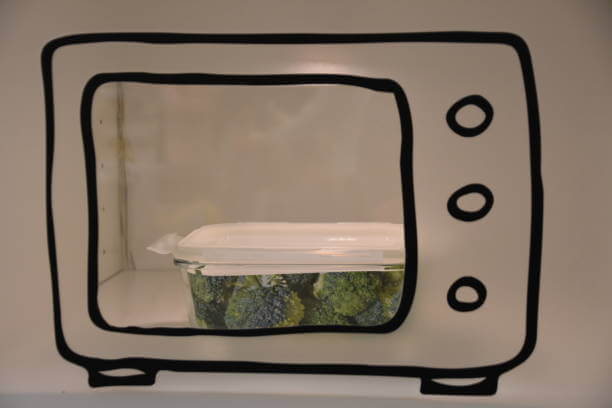
Microwaving food in plastic containers and wraps releases cancer-causing substances.
Studies have shown that food inside plastic containers is safe to consume. Drinking from plastic bottles, using plastic containers and storing food in plastic bags is safe and doesn’t increase the risk of cancer. There is a common belief that food items stored in plastics containing BPA (Bisphenol A) can cause cancer as the BPA enters the food inside it. But research by the Food and Drug Association suggests that the BPA entering the food is in low range and is considered safe for humans.
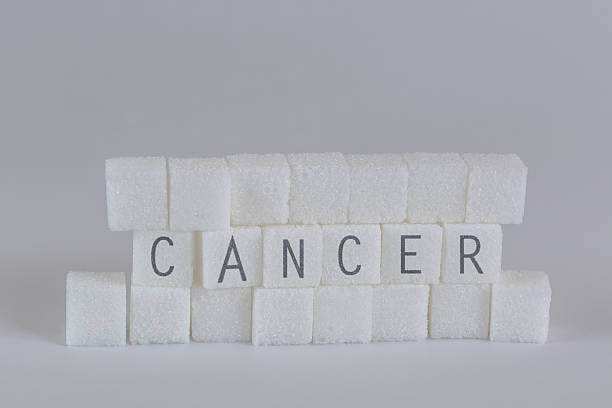
Eating sugar triggers cancer
What we eat has a direct effect on our health. Sugar itself is not a carcinogenic substance. Consuming sugar in moderation does not cause cancer. However, eating too much sugar can lead to obesity which is a risk factor for cancer. Hence, it is important to limit the intake of simple sugars and refined grains such as candy, cakes, cookies, white bread, white rice etc. and sugary beverages such as soda pop, preserved juices and sports drinks. Including naturally occurring sugars such as fruits is beneficial.
Read: Do These Food Items Cause Cancer?
The use of antiperspirants or deodorants leads to breast cancer
According to research, aluminium-based compounds present in antiperspirants form a temporary ‘plug’ within the sweat duct and stops the flow of sweat to the skin’s surface. These aluminium compounds may be absorbed by the skin and have oestrogen-like effects on the body. As oestrogen may promote the growth of breast cancer cells, some scientists suggest that these compounds may lead to breast cancer. However, there is no clear evidence of whether these compounds contribute to cancer or not.

Read: Breast Cancer Symptoms That Go Unnoticed
Cancer always comes back
The type of cancer, stage of cancer and other factors determine whether the person’s cancer will be cured or not. Some cancers are more likely to be cured than others. Each cancer needs a different kind of treatment. A doctor cannot assure you that your cancer won’t come back. When the treatment appears to be successful, doctors prefer using the term ‘in remission’ rather than ‘cured.’ If cancer returns, the term ‘recurrence’ is used. According to the National Cancer Institute, if you remain in complete remission for five years or more, some doctors may say that you are cured, or cancer-free.
A GEM For Cancer Patients
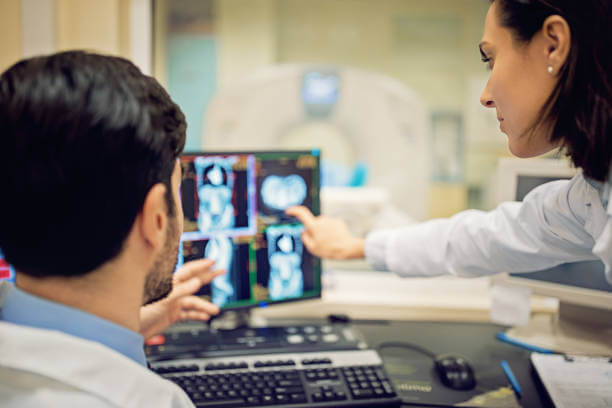
More than the disease, the unaffordability of cancer treatment has claimed the lives of many cancer patients. Crowdfunding websites in India such as ImpactGuru make online fundraising simple for those who are in dire need of funds for their cause. One can either start a fundraiser or donate to a cause.


 Information
 Alert
Alert