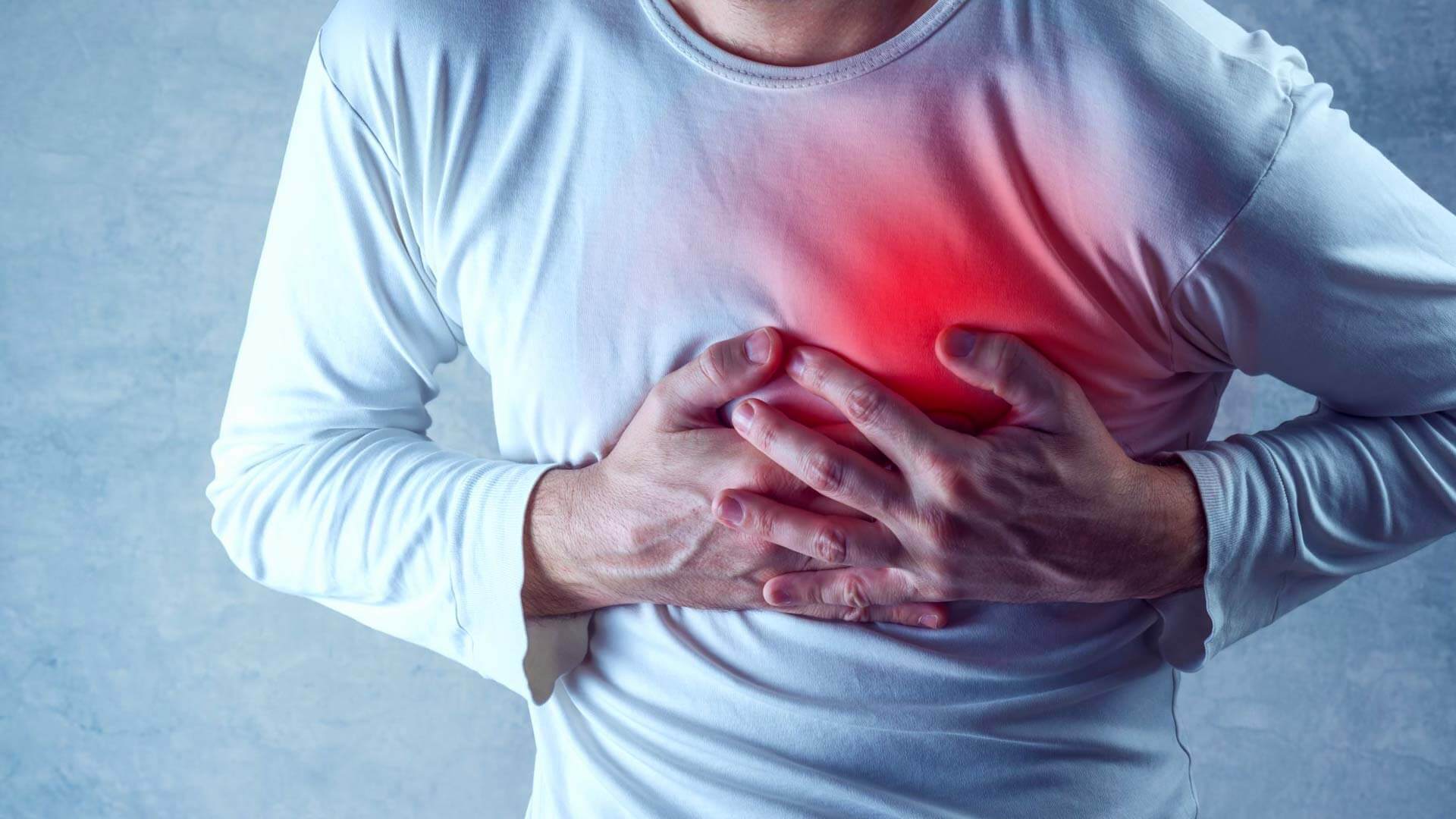
What are the diagnosis tests for heart disease?
By: Jasmine Marfatia
Published On: November 09, 2018
There are several types of diagnostic tests that can help detect a heart disease. In this post, we explore the different tests, as well as financial solutions for the expenses associated with them.
Heart diseases affect a very large population of people around the globe. India, in particular, has among the highest instance of heart diseases that leads to 209 deaths per 100000 people, which is significantly higher than the global average. The most concerning aspects are that of the limited availability of treatment, high expenditure for diagnostic tests, treatment, and limited awareness of heart health.
As a result of limited awareness of the extent of heart diseases, people especially those from low-income backgrounds tend to get diagnosed at later stages when the disease has progressed significantly. At its later stages, managing heart conditions can be quite challenging.

MedcineNet
One way to address this problem is by attempting to raise awareness among people, on the various medical tests they can do if they suspect they have a heart disease. Surely the first step would be to visit a cardiologist, who will then order some tests to find out whether you have a heart condition, and the extent of it. These tests will help your doctor give you specific treatment and slow down the progression of the disease.
In this article, we give you an easy summary of coronary artery disease diagnosis, heart attack diagnosis, rheumatic heart disease diagnosis, congestive heart failure diagnosis, and other related heart disease diagnostic tests. Further, we’ll cover some practical solutions to raise money for these tests since they can get quite expensive and often unaffordable by a large part of the Indian population that currently suffers from heart diseases.
 St. Vincents Heart Health
While the symptoms of heart disease are experienced differently by men and women, many of them may be common. If you or a loved one experience any of the below symptoms repetitively, you may want to visit a medical practitioner:
Chest pains
Abnormal heart rate
Abdominal pain
Shortness of breath
Pain in the arms, neck or shoulder
Extreme fatigue
For a detailed explanation of the various symptoms of heart disease, have a look at this article.
Diagnosis tests for heart disease
Medical tests to diagnose heart disease are of many types - blood tests, non-invasive diagnosis tests, and invasive procedures.
Blood tests
After taking your medical history and conducting a physical examination, your doctors may call for all or some of the below blood tests:
Total cholesterol
Total blood cholesterol may serve as an indication for a heart condition. However, this one test alone is rarely the only indicator for heart disease and is usually done in combination with various other tests.
LDL cholesterol
LDL cholesterol is low-density lipoprotein, or what we know as ‘bad cholesterol’ in layman's terms. High LDL cholesterol has been known to cause clogging of arteries and build up of fats of arterial walls. If an individual's LDL is high, it may be a marker for a heart condition.
 New Scientist.
HDL cholesterol
HDL is high-density lipoprotein, which is what we call ‘good cholesterol’. High HDL may help remove the buildup in arteries and clear it up. Low HDL may be a sign or a heart condition as well, which can be tested with a blood test.
Triglycerides
Triglycerides are a measure of a certain type of fat in the blood. Having high total triglycerides may be considered a warning sign of a larger heart problem.
Non-invasive diagnosis tests
Non-invasive diagnostic tests are those that do not require medical equipment to physically enter the body. Below are the non-invasive tests done to detect a heart disease.
Electrocardiogram
Electrodes are attached directly to your skin, and these are used to record the electrical activity of your heart, that is then printed on a paper, for your doctors to check for abnormalities or irregularities in the heartbeats. The may also be used to diagnose ischemic heart disease or the risk of a heart attack
Echocardiogram
An echocardiogram uses ultrasound waves to measure the health of your heart muscles, valves, and chambers. Through the help of a probe, it produces a video image which your doctor may evaluate.

My Heart
Stress test
Stress test, also known as treadmill tests, are done by making the patient walk or run on a treadmill to check the capacity of your heart, and it’s response to physical exertion. Those who have a heart condition may find it difficult to do the treadmill test.
Carotid ultrasound
A carotid ultrasound uses sound waves to get photographs of your carotid arteries. Through these images the doctor can check for plaque buildup or blockages in your arteries, that may serve as a warning sign of a heart attack or stroke.
Chest x-ray
A chest x-ray produces images of your chest area, including your lungs and heart. Chest x-rays, like other x-rays, use radiation to get a photo of the area that will be evaluated by your cardiologist.
Holter monitor
A Holter monitor is a small machine like device that is to be worn by a patient when a doctor wants to evaluate irregularities of the heartbeat over a period of 24 hours or more. It is similar to an electrocardiogram but can be used to monitor irregularities for a prolonged period of time.
Heart MRI
Radio waves are used to take images of the inside of a patient's body, in this case of the lungs, heart, and blood vessels. By doing this test the cardiologist can diagnose conditions of the heart muscles, or plaque buildup and disease related to it.
CT scan
There are several types of CT scan that a doctor may order. For instance, if he/ she wants to see if there is calcium deposition in the arteries, then they would order a calcium score screening heart scan. This too uses x-rays to produce images of your heart and chest area.
Tilt table test
In this test, the patient is asked to lie on a table that will tilt from a horizontal to vertical position. During this movement, they will monitor heart rate, blood pressure, and oxygen level.
Invasive diagnosis tests
Invasive tests are procedures that require tools like needles, tubes, or scopes, which may enter your body to provide more accurate results. These tests are ordered when blood tests and non-invasive tests have not provided a clear diagnosis of heart disease.
Coronary angiography and cardiac catheterization
In this test, a flexible tube-like instrument is inserted into a vein in the arm, leg, or groin. A contrast dye is then injected through the catheter, which will then produce images of the heart chambers, valves, and coronary arteries.
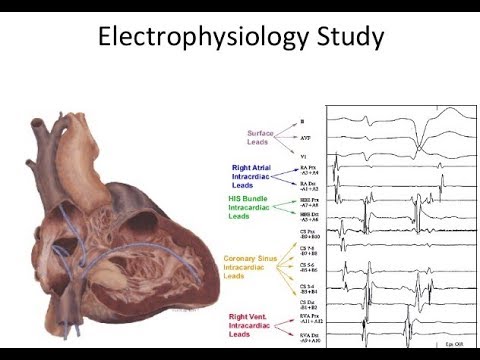
Electrophysiology study
YouTube
In this test, electric signals are sent to the heart through an electrode catheter that is inserted into a blood vessel to your heart. This creates a map of your cardiac activity and is used to measure irregularities or abnormal heart rhythms.
Based on the results of your diagnostic tests, your doctor will determine which treatment option is best suited for your condition. However, these tests, along with treatments may have severe financial implications
Raising funds for expensive medical tests
At Impact Guru, we understand the severity of financial strain on families of those living with a heart disease. In trying times like these, families need to look at alternatives and quicker ways to raise money for treatment of a loved one. Impact Guru’s platform helps people raise funds for medical expenses through online contributions from friends, family, and well-wishers. Through medical crowdfunding, you can:
Raise funds for quickly for doctor’s bills, tests, follow-up, and expensive medications through a crowdfunding campaign.
Start an online fundraiser for a less fortunate person who may be suffering from a heart condition and can’t afford the cost of medical help.
Launch a campaign for a charity that supports patients and caregivers of patients suffering from heart diseases.
As medical treatments have improved over the years, it is also vital that patients and families evolve with these progressions and adopt newer and more efficient ways of fundraising, like crowdfunding.
We suggest you also read:
Systolic Vs Diastolic Pressure
What To Eat For Healthy Blood Pressure Levels
If you have any feedback or comments related to this article, reach out to us at [email protected]





 Information
 Alert
Alert