World Rare Disease Day: How to Fund Life-Saving Treatments for Rare Diseases
By: ImpactGuru
Published On: February 27, 2025
Did you know?
Every 1 in 10 people is affected by a rare disease. But here’s something even more heartbreaking - 1 in 2 of them are children.

Source: Envato
When people hear the term ‘rare disease,’ it often brings uncertainty or fear. The reality is that these conditions are not only difficult to diagnose but also come with limited treatment options, making access to care a daunting challenge. In India, a disease is considered rare if it affects fewer than 1 in 2,500 people. Some well-known rare diseases include Spinal Muscular Atrophy (SMA), Duchenne Muscular Dystrophy (DMD), and Pompe Disease.
The Reality of Rare Diseases
The first-ever World Rare Disease Day was observed on February 29, 2008, a date as unique as the conditions it represents. The goal was to raise awareness, advocate for better treatment, and support those affected. But here’s the real challenge: Why is it so difficult to treat rare diseases?
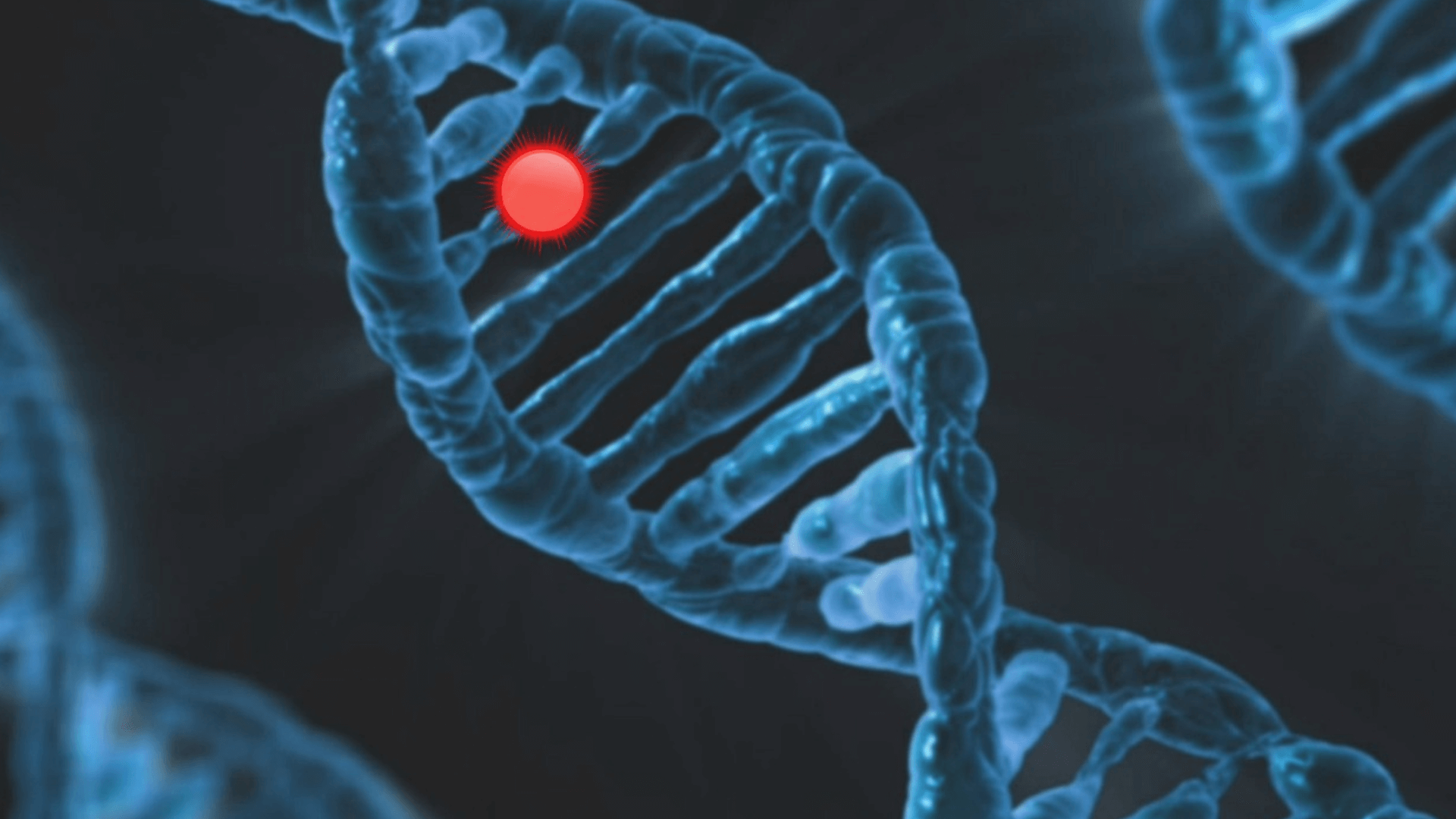
For many rare disorders, the actual cause is still unclear. Since many of these genetic changes are inheritable, they help to explain why some rare diseases run in families. However, in most cases, the issue can be linked to alterations (mutations) in one single gene.
 Source: Pixabay
For example, genetic rare diseases include Spinal Muscular Atrophy (SMA), Cystic Fibrosis, and Lysosomal Storage Disorders (LSDs), and acquired rare diseases include Multiple System Atrophy (MSA), Paraneoplastic Syndrome, and Aplastic Anemia.
Whether it be genetical or acquired, what makes these diseases difficult to treat are the challenges to diagnosing them due to several factors:
Limited Awareness
Since they affect a small population, the lack of awareness makes the treatment a tough puzzle to solve. Not only this but the exact number of people affected remains unclear to date. Hence, it becomes difficult for researchers and pharmaceutical companies to invest in development and clinical trials
High Costs
Developing medicines for rare diseases requires complex research and lengthy development processes. Thus, the treatments might cost crores.
Delayed Diagnosis
Due to the rarity of these conditions, many patients spend years undergoing incorrect treatments. Also, healthcare professionals specializing in rare diseases are often scarce, making it difficult for patients to access timely and accurate care.
Also read: Rare Disease Day 2025: Diverse In Causes, United In Action
As the challenges of diagnosing and treating rare diseases persist, advancements in genetic testing have significantly enhanced the ability to diagnose. Let’s walk through the most frequently used techniques to contrast various genetic testing approaches for rare diseases. …
Genetic Testing Methods for Rare Disease Diagnosis
1. Whole-Genome Sequencing (WGS)
WGS offers the most comprehensive diagnostic capability among genetic testing methods. It provides extensive genome coverage, exceeding 97%, and can detect a wide array of genetic variants associated with diseases.
2. Whole-Exome Sequencing (WES)
This method ranks second in diagnostic yield. While it covers approximately 1.5% of the genome, focusing on exonic regions, WES identifies fewer variant types compared to WGS. 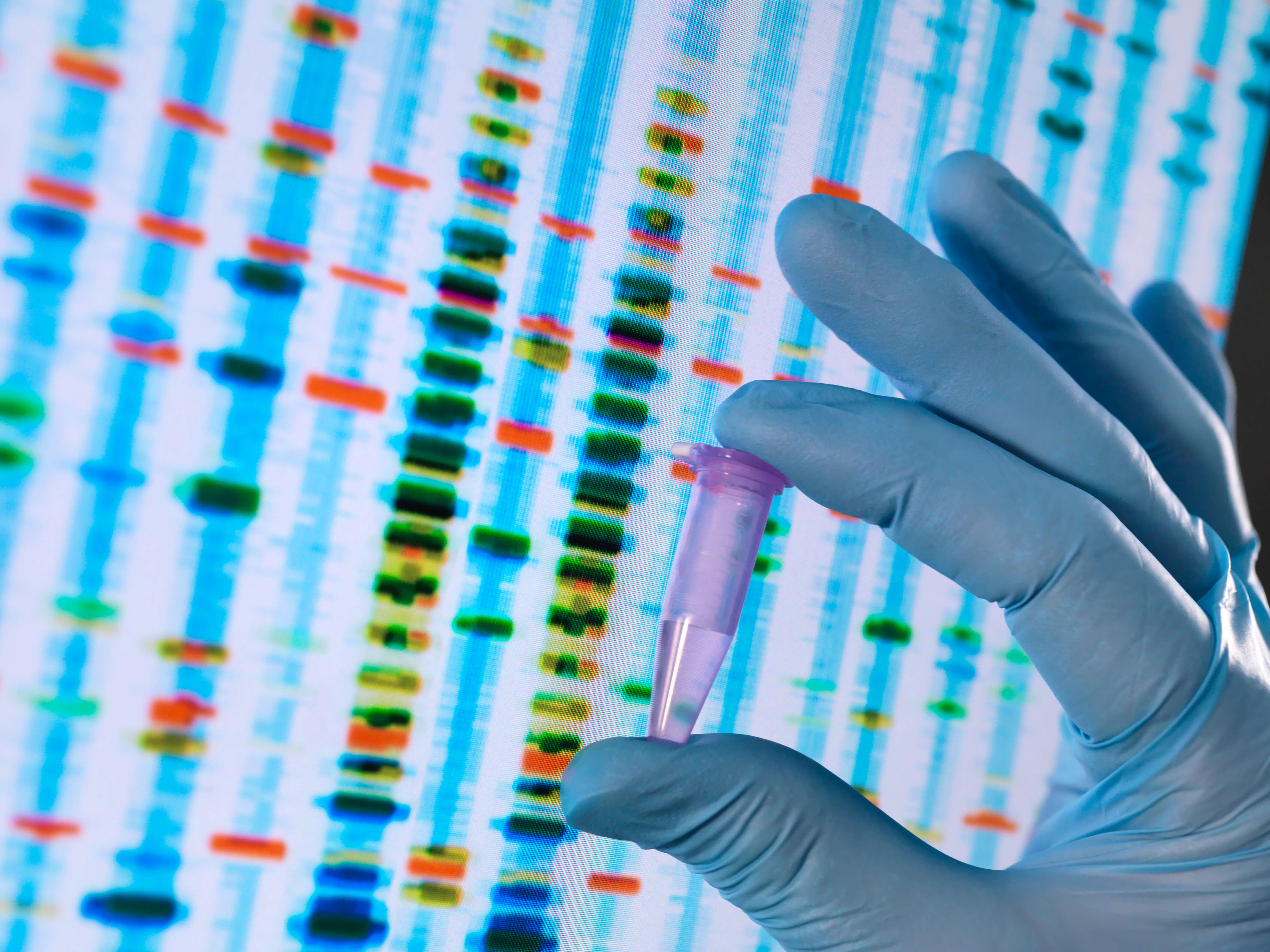 Source: Envato
3. Targeted Sequencing
This examines specific genes known to be linked to rare diseases. The most extensive panels assess less than 0.5% of the genome, concentrating on particular genetic regions of interest.
4. Chromosomal Microarrays (CMA)
CMA analyzes approximately 0.01% of the genome, focusing on regions with well-established disease-associated variations. Generally, CMA has a lower diagnostic yield compared to WES and WGS.
Thus, to enhance diagnostic accuracy, it's essential to consider newer diagnostic approaches beyond just traditional exome sequencing. Emerging technologies like optical genome mapping and long-read DNA or RNA sequencing offer promising avenues for identifying rare diseases. However, these technologies are not yet widely available in clinical settings.
With these challenges comes the financial strain on the families. Individuals often face significant out-of-pocket expenses due to the high costs of specialized tests, multiple medical appointments, and sometimes unnecessary interventions. Recent studies indicate that healthcare costs for people with rare diseases can be three to five times greater than those for individuals without such conditions.
Also watch: Baby Aayansh Defeated A Rare Disease That Affects One In A Million Children.
The Financial Strain of Life-Saving Treatments
Imagine being told that a child has a disease that requires treatment before they turn two, or they may never walk, breathe, or live a normal life. Now, imagine finding out that this treatment costs ₹17 crores. This is the harsh reality faced by families of children with rare diseases, particularly Spinal Muscular Atrophy (SMA). For SMA, the only available treatment is Zolgensma—a one-time gene therapy that costs over ₹16 crores. Moreover, the surgery must be performed before the child turns two.
 Source: Envato
Given that the average income of Indian households is relatively modest, these treatments remain unaffordable for the majority of families. Other rare disease treatments, such as those for Duchenne Muscular Dystrophy (DMD) and Pompe Disease, can also cost upwards of ₹12 crores, causing a financial as well as an emotional toll on the families. This stark reality raises a pressing question: How can one access treatments that cost crores?
How Can One Get a Treatment Worth Crores?
While the government of India is committed to securing treatment for patients of rare diseases up to a certain amount, the high costs often remain prohibitive even after the help. Crowdfunding platforms like ImpactGuru have emerged as vital resources to bridge this gap.
ImpactGuru has become a beacon of hope for countless families grappling with the overwhelming costs of rare disease treatments. Through its transparent and reliable platform, it has facilitated life-saving interventions for individuals like Shahnawaz, who braved a rare medical condition, Bilateral Macrostomia, in the year 2023. He required a complex treatment that would have been financially overwhelming for his family. ImpactGuru's crowdfunding platform helped raise the necessary funds to give Shahnawaz a chance at a better life.
Also read: This 5-year-old just defeated a Rare Disorder.
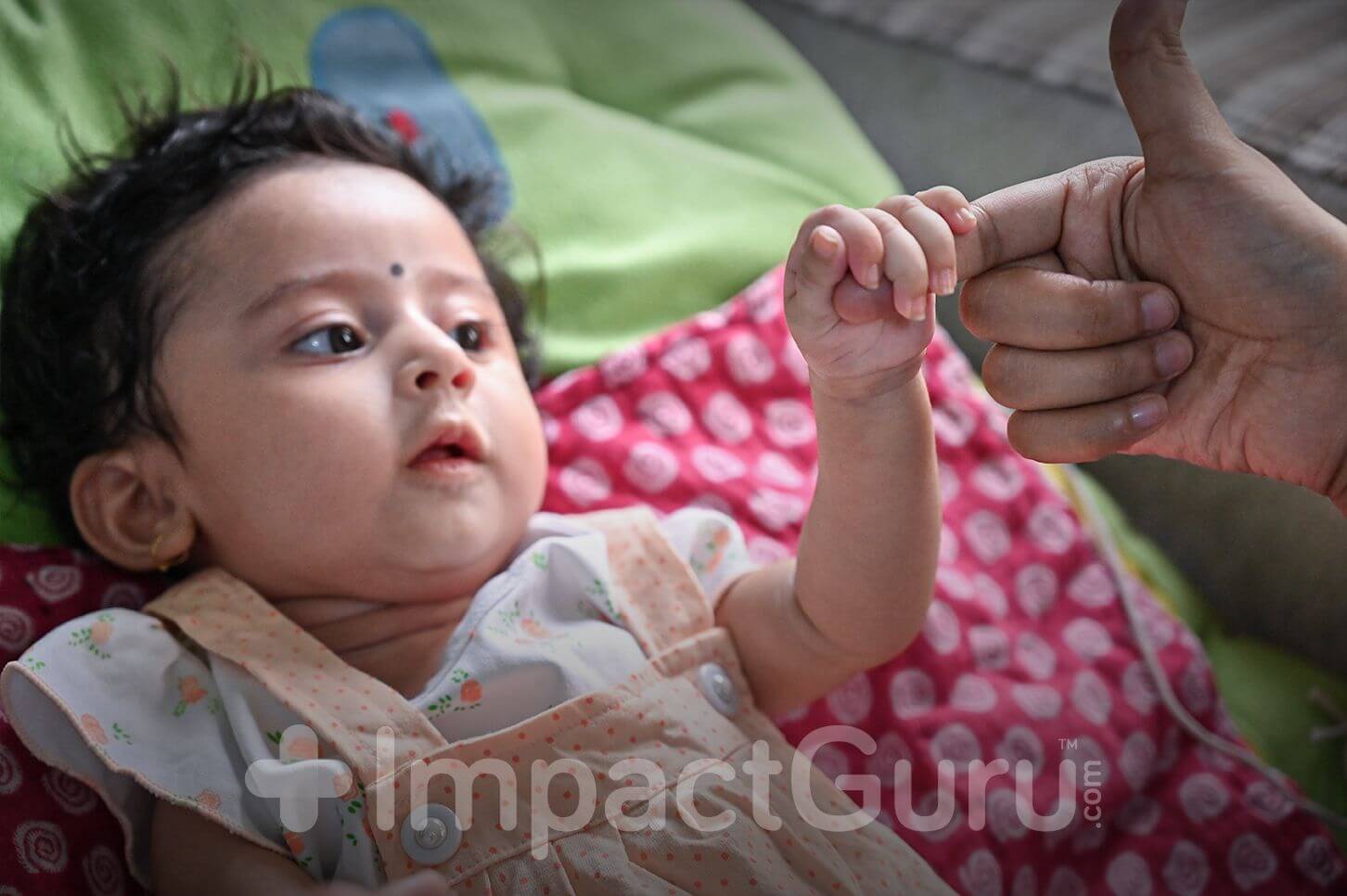
Additionally, ImpactGuru continues to play a pivotal role in supporting individuals battling rare diseases through crowdfunding campaigns every year. One such case was that of Baby Teera's battle with Spinal Muscular Atrophy (SMA). Diagnosed with SMA at just two months old, Teera’s parents launched a crowdfunding campaign on ImpactGuru to raise funds for Zolgensma, a life-saving gene therapy priced at ₹16 crore. The campaign received overwhelming support, raising the required funds within three months, making Teera the first SMA patient in India to receive the treatment.
 Source: ImpactGuru
These heartfelt stories underscore the profound impact of community support facilitated by ImpactGuru, turning despair into hope and enabling families to overcome financial barriers to essential medical care. By leveraging the power of crowdfunding, this platform empowers individuals to take control of their healthcare journey with:
Access to fundraising with 0% platform fee
No loans, debts, or payback liability
Community support and solidarity
Transparency and trust
Thus, by raising funds with ImpactGuru, families can ease the financial burden of these high-cost medical treatments for rare diseases, allowing them to focus on healing and well-being.
Also read: 100 Easy Fundraising Ideas To Raise Money For Any Cause
Rare Disease Day serves as a vital reminder of the unseen struggles faced by millions, particularly children, living with rare diseases. For these families, a diagnosis is only the beginning of a continuous battle against uncertainty, isolation, and the heartbreaking reality that necessary treatments may remain out of reach.
Thus, observing this day highlights that these individuals are not alone, that their stories deserve to be heard, and that platforms like ImpactGuru are committed to providing immediate support. This Rare Disease Day is, therefore, a call to action for everyone to raise awareness, offer hope, and ensure that no one faces their journey in silence.


 Information
 Alert
Alert