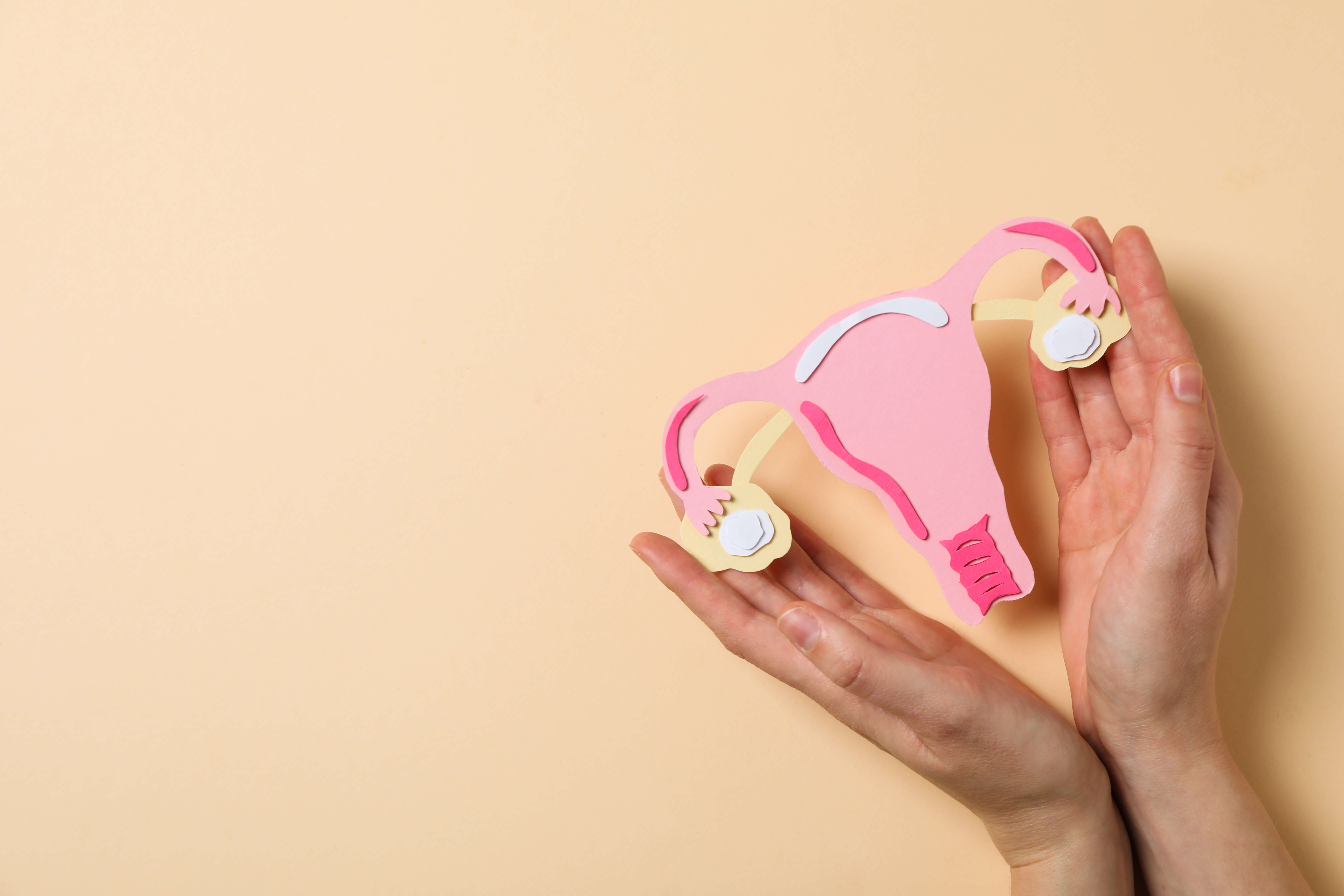
World Menstrual Hygiene Day: Empowering Women, Ensuring Dignity
By: Amreen
Published On: May 26, 2023
Millions of women and girls around the world today are discriminated against because they deal with a very normal fact of life - menstruation.
While menstruation is a natural and essential process for women, it is often accompanied by various challenges, making it a matter of human rights and women's health.
On May 28th, we observe World Menstrual Hygiene Day, a global initiative aimed at creating awareness about menstrual health and hygiene.
Picture Souce - Unsplash
The theme for this year’s Menstrual Hygiene Day is: Making menstruation a normal fact of life by 2030.
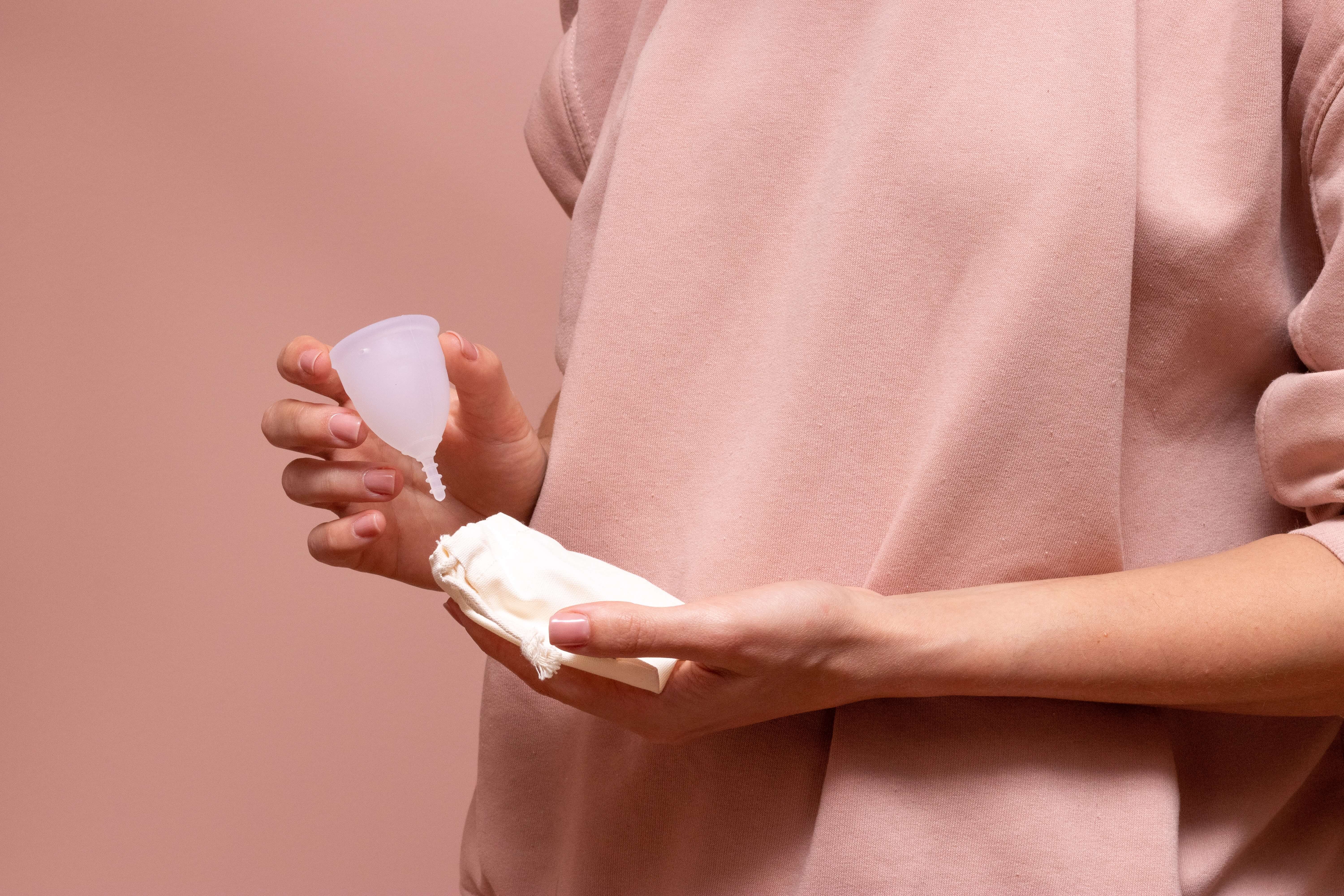
Access to clean and safe sanitary products, appropriate sanitation facilities, and accurate menstrual education are fundamental rights that every woman deserves.
Sadly, many women face barriers and stigma when it comes to managing their periods, hindering their overall development and potential.
Picture Source - Unsplash
Health Issues Faced by Women Due to Lack of Hygiene
Unfortunately, due to various reasons like poverty, cultural taboos, and limited access to resources, many women and girls face challenges in maintaining menstrual hygiene which can in turn lead to several health problems, like:
Infections: Insufficient access to clean and hygienic menstrual products and sanitation facilities can increase the risk of reproductive tract infections and urinary tract infections. These infections can cause discomfort, pain, and in severe cases, lead to long-term complications.
Skin Irritation: Prolonged use of unclean or low-quality sanitary products can cause skin irritation, rashes, and allergies. The sensitive skin around the genital area requires proper care and hygiene to prevent such issues.
Reproductive Complications: Lack of hygiene during menstruation can also contribute to reproductive complications such as endometriosis, pelvic inflammatory disease (PID), and infertility. These conditions can significantly impact a woman's overall health and future reproductive capabilities.
Psychological Impact: The societal stigma surrounding menstruation, combined with inadequate resources, can lead to feelings of shame, embarrassment, and low self-esteem among women and girls. This psychological impact further hinders their educational and professional opportunities.
Picture Source - Unsplash
Making Menstrual Hygiene Less of a Taboo, One Step at a Time
Education and Awareness: Providing accurate information about menstruation is extremely crucial, including its biological processes, hygiene practices, and debunking common myths. By educating both boys and girls from an early age, we can foster understanding and empathy, eradicating misconceptions.
Encourage Open Conversations: Create safe spaces where individuals feel comfortable discussing menstrual experiences, concerns, and challenges. By normalizing these conversations, we can help break the silence and reduce stigma.
Engage Men and Boys: Involve men and boys in conversations about menstruation. Encourage them to become allies in breaking the taboo and promoting menstrual equity. By fostering inclusivity and understanding among all genders, we can create a more supportive environment for women and girls.
Access to Menstrual Products: Ensuring women and girls from all walks from like have access to affordable and accessible menstrual products, particularly those from marginalized communities.
Support Menstrual Health Initiatives: Support and collaborate with organizations working towards menstrual health and hygiene. Volunteer, donate, or participate in awareness campaigns and events that aim to normalize menstruation, reduce stigma, and empower women and girls.
World Menstrual Hygiene Day serves as a reminder of the urgent need to address the challenges faced by women and girls in managing their periods safely and with dignity.
Changing deeply ingrained cultural and societal norms takes time and collective effort. By working together, we can create a society that embraces menstrual hygiene as a natural and normal part of life, fostering dignity, equality, and empowerment for all.


 Information
 Alert
Alert