
World Aids Day: Breaking Down Common Myths Behind AIDS
By: Aayushi
Published On: December 01, 2022
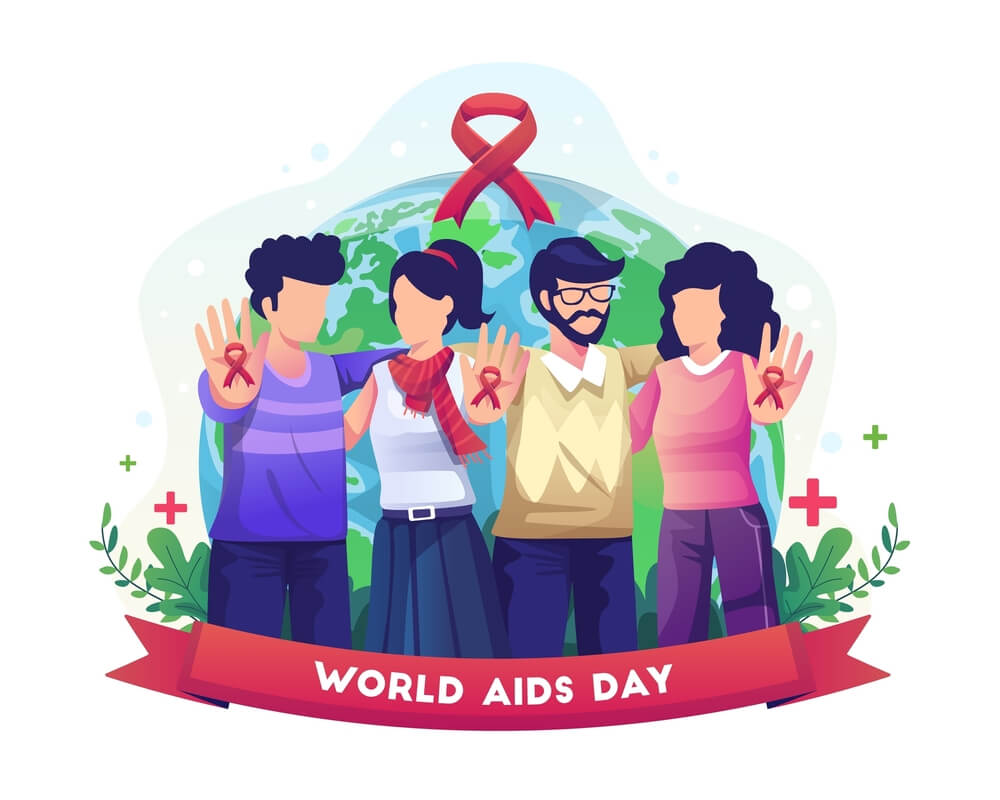
On December 1, we observe World AIDS Awareness Day to shed light on the effect AIDS has on society.
AIDS was considered taboo in the early 1900s as there were no extensive studies on the disease. However, now, research has had a major effect on global communities in the field of medical treatments and medication therapies for AIDS.
As we work towards creating further progress in the creation of awareness around AIDS as well as ways to prevent and treat it, we often forget that accessibility of the same still remains a huge issue. To make progress there as well, the theme for this year - ‘EQUALIZE’ aims to focus on the stigma behind unfair presumptions and judgments around this global epidemic.
Source: Shutterstock
Acquired Immuno-deficiency Syndrome, also known as AIDS, has a long history of stigma linked to it, much of which results from ignorance of the illness's causes and symptoms. This type of false information, which is still widely spread in society today, has caused people to face social and cultural discrimination regarding the epidemic, also resulting in many people avoiding getting examined and treated because of the stigma.
It's time to recognize that everyone has a role to play in the fight against AIDS. To break the stigma, there are small steps we can take to protect ourselves and others from HIV infection, transmission, and related biases.
Here’s how:
Source: Shutterstock
HIV vs AIDS: What is the difference?
Let’s start with the basics. These two words, HIV and AIDS, are often used together, and a few misconceptions exist behind the terminology.
HIV -
The Human Immunodeficiency Virus (HIV) attacks and kills white blood cells, also known as T lymphocytes, in the immune system, leaving the body vulnerable to various illnesses, cancer-causing germs, and bacteria.
When a person is directly in contact with an infected individual's mucous membrane or bloodstream, they run the risk of contracting HIV.
AIDS -
AIDS is an immunodeficiency disease that occurs at later stages of HIV infection. It is a potentially life-threatening disease that often occurs due to a weak immune system.

Source: Freepik
MYTHS vs TRUTH
#MYTH 1: AIDS patients should be kept in isolation
Despite the awareness created, people remain confused.
Truth:
HIV transmission and the fear connected to it can be overwhelming, but the virus itself is not that strong, meaning that in contrast to cold and flu viruses, which can spread through airborne droplets, HIV transmission needs close contact and direct exchange of bodily fluids.
In order to be in contact with the disease, one must have a sufficient amount of the virus enter body fluids. For a sexually transmitted disease, the fluids need to have a channel where these viruses can enter. Therefore, sweat and saliva are unlikely to be the case for HIV transmission. It can either be semen, breast milk, vaginal fluids, rectal fluid, or blood. More importantly, exposure to the disease can only happen through sexual intercourse, shared needles, or blood exposure.
Therefore, being around your loved ones will not necessarily spread the infection, especially with the correct precautions.
#MYTH 2: Unprotected sex is okay if both couples are infected with HIV
Another myth that people are mainly unaware of is that is okay to have unprotected sexual intercourse if both people involved are infected.
Truth:
Unprotected intercourse between two HIV-positive individuals can increase the potential of getting a new strain of HIV. Therefore, it is advised to protect yourself from being reinfected by a new strain.

Source: Shutterstock
#MYTH 3: HIV and AIDS lead to death
HIV and AIDS is a death sentence.
Truth:
When the world first came into contact with it - yes, maybe. However, that is not the case today. The outlook for individuals with AIDS has substantially improved over the past 30 years, although an AIDS diagnosis can cause many uncertainties and worries. With early diagnosis and appropriate treatment, one can increase the life expectancy of a person with AIDS. There is hope for patients who are suffering from this condition.
Source: Shutterstock
It is essential to learn about misconceptions like these and clear away any doubts. Only then we can get rid of the stigma behind AIDS and support our loved ones.
Read also: Why Should I Choose ImpactGuru For Medical Crowdfunding?
Source: Shutterstock
*Please note that any views expressed are those of the authors’ and do not reflect the beliefs, opinions, or views of ImpactGuru.


 Information
 Alert
Alert