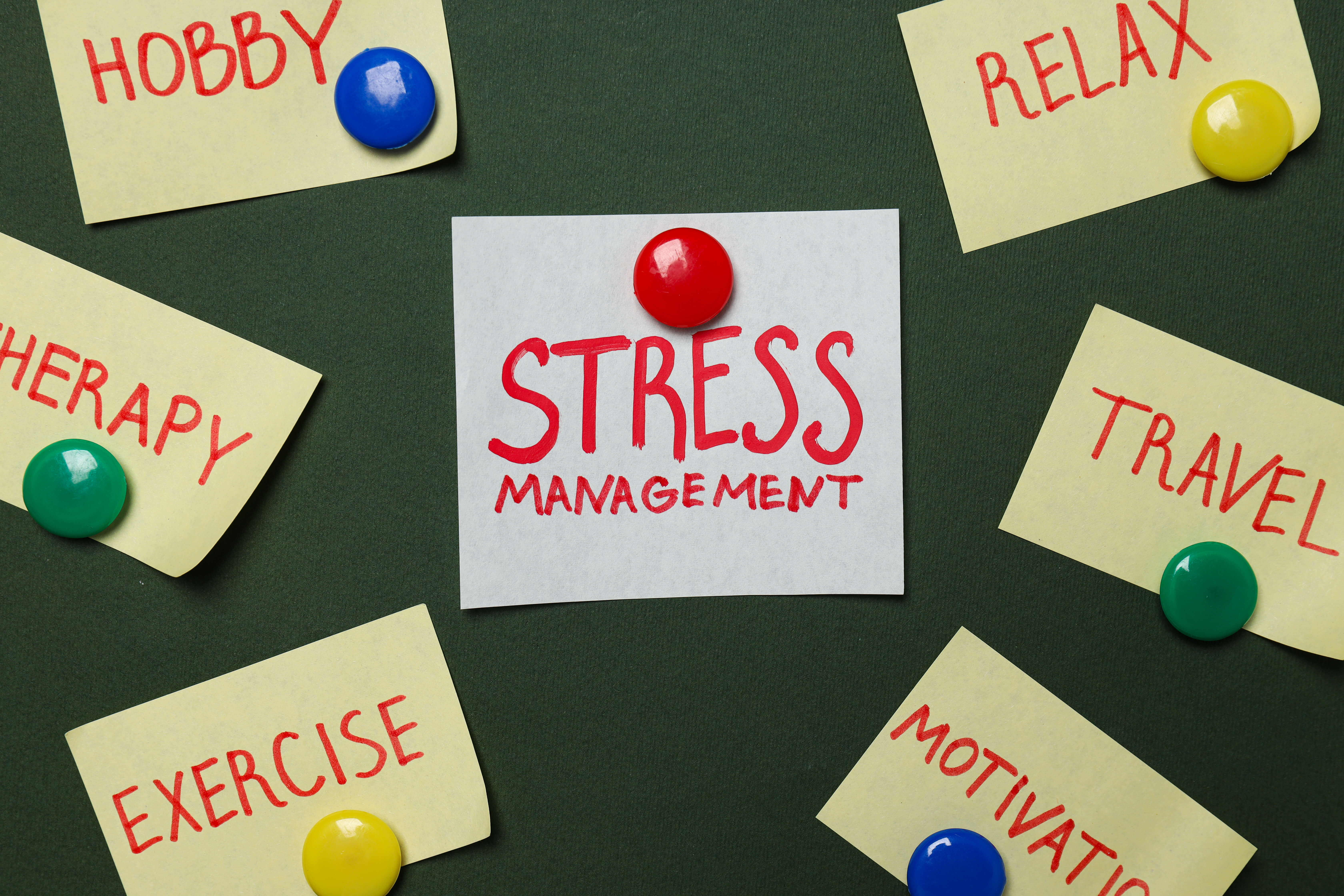
What Hides Behind “I am Fine”: Understanding Hidden Stress This #WorldStressAwarenessMonth
By: ImpactGuru
Published On: April 24, 2025
“Hey, how are you doing?”
“I am doing great! What about you?”
We’ve all had this kind of conversation countless times. It’s a polite, familiar, and easy script to follow. But often, behind those cheerful words lies something we don’t always feel ready to share.
Saying “I’m okay” has become second nature for many of us. It’s a way to avoid going deeper into the conversation—a buffer between what we feel and what we show. Because sometimes, it just feels easier to say we’re fine than to admit that we’re stressed, overwhelmed, anxious, or not okay at all. There’s still a quiet pressure to stay calm. To smile. To post the good moments. To act like everything is under control, even when it’s NOT.

But as we navigate our own adult lives—balancing responsibilities, relationships, mental health, and the pursuit of peace—some of us might often wonder: Maybe they did understand, in their own way, but were always taught that emotions are a luxury, vulnerability a weakness, and mental illness a myth. Maybe they struggled too, but didn’t have the space to talk about it. Or, maybe like us, they were taught too, to push through quietly, without ever asking for help.
Of course, not all of us share the same background or experiences. Some of us might have been encouraged to talk, to feel, to express—and that’s something to be grateful for. But many still grew up in environments where sharing emotions or any kind of stress was always tucked away.
Hence, here we stand again, this World Stress Awareness Month, trying to unlearn the silence. Trying to be honest with ourselves and with each other. Trying to build a culture where saying “I’m not okay” doesn’t feel like failure but like a first step toward healing.
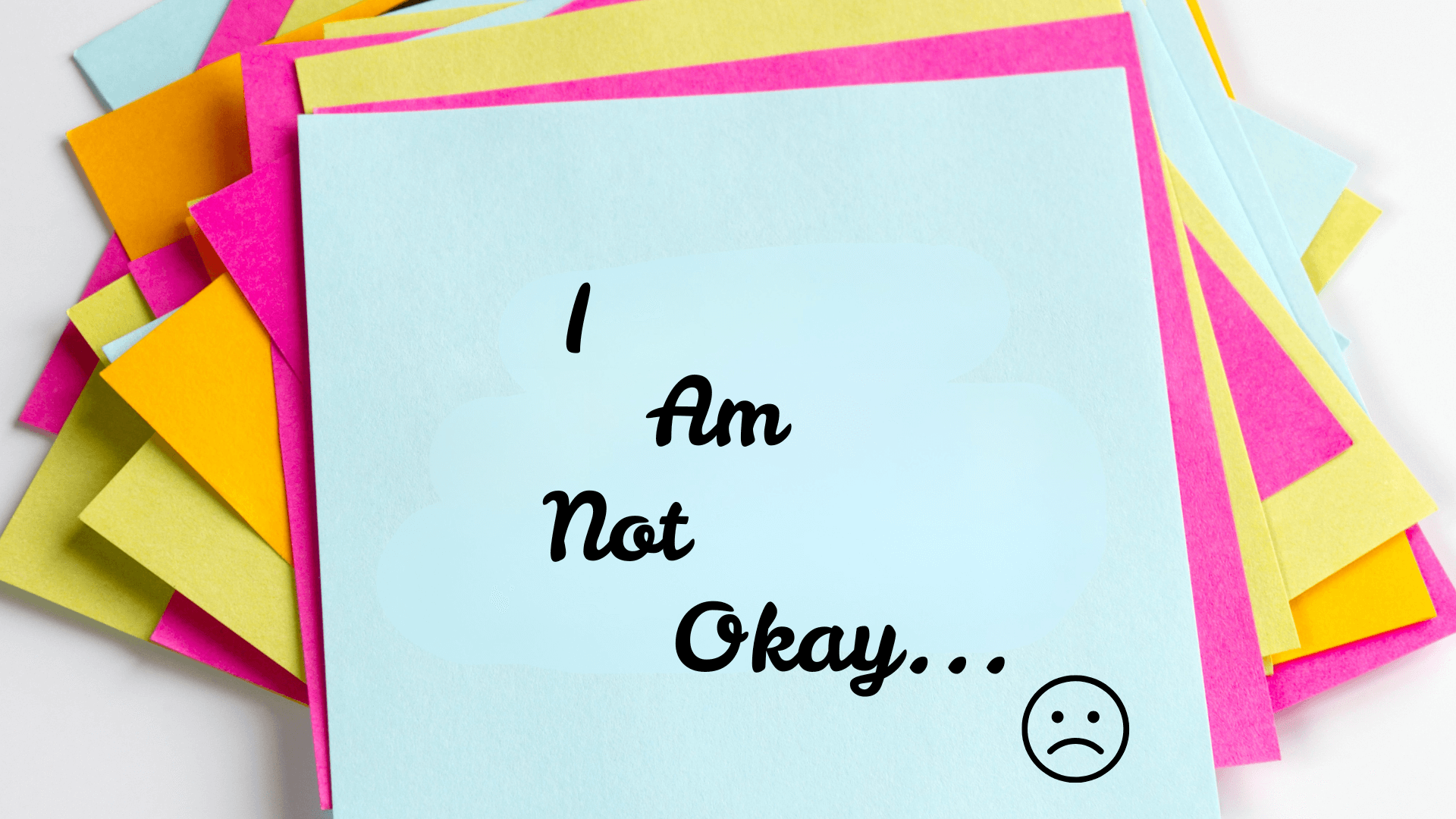
As you read this blog presented by ImpactGuru— India’s leading medical crowdfunding platform—take a moment to reflect on the stress one faces in today’s world. In observance of World Stress Awareness Month, this April, let’s examine the common stressors of modern life and the diseases that can tag along. Furthermore, let’s emphasise the various stress management techniques available today—approaches that shouldn’t be seen as embarrassing, but as essential tools for maintaining our mental well-being. Let's #LeadWithLove and break the silence with healthier ways to cope.
5 Most Common Modern-Day Stressors
1. Imposter Syndrome & Perfectionism in the Workplace
In today’s fast-paced world, especially among millennials, stress has become deeply tied to career milestones. We stress while hunting for jobs, and once we get one, the pressure shifts to outperform ourselves, meet expectations, impress mentors, and keep up with our peers. But what fuels this invisible pressure are the personality styles like impostor syndrome and perfectionism.
While imposter syndrome makes high-achievers doubt themselves, constantly questioning their own capabilities. On the other hand, perfectionists set impossibly high standards for themselves, where anything less than flawless feels like a failure or an early career burnout. Both these mindsets are mental traps that eventually lead towards the cycle of overthinking, self-criticism, and the constant need for external validation. Thus, in trying to ‘do better’, we often forget to ask ourselves: at what cost?
Also read: World Mental Health Day: Nurturing Mental Wellness At Work
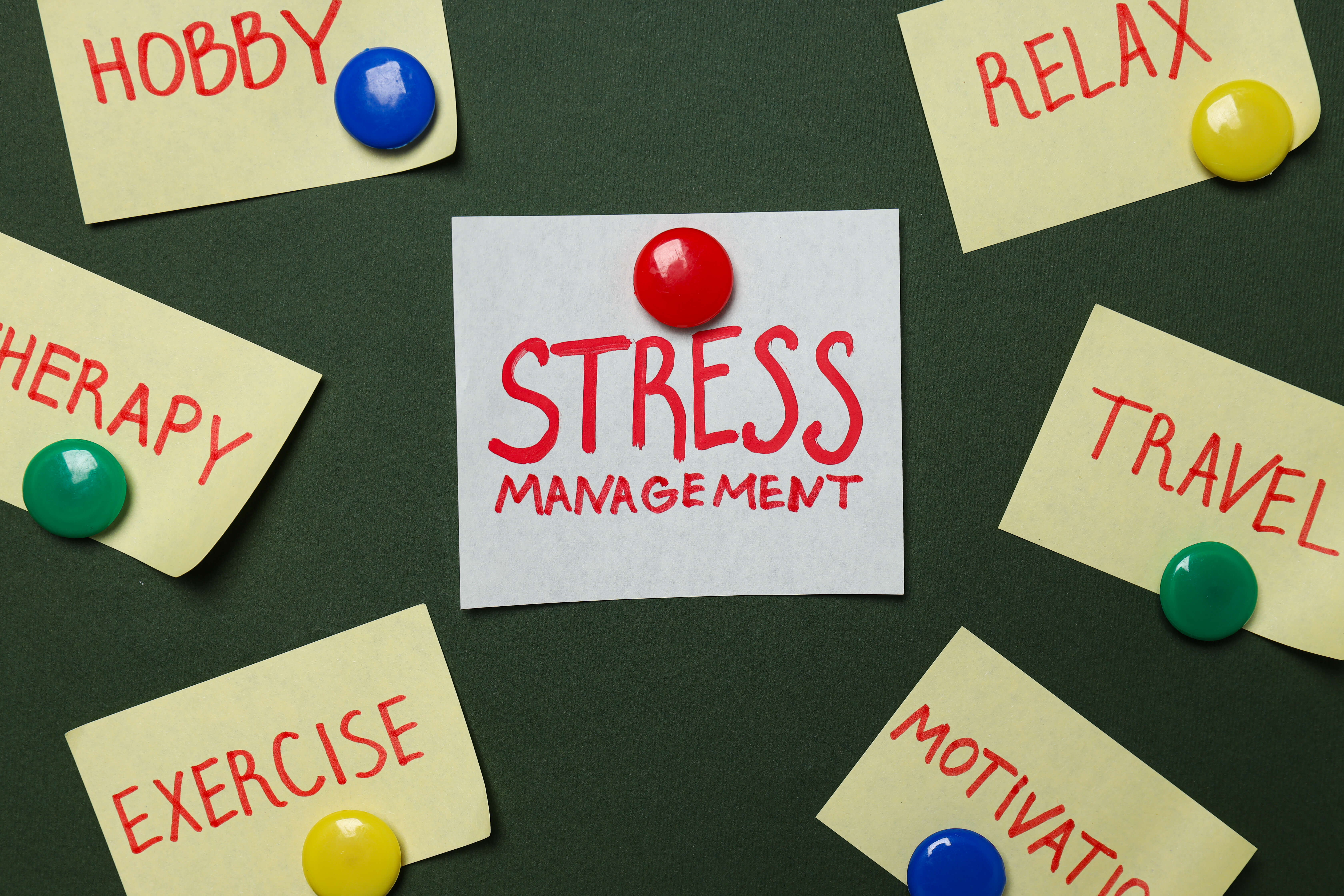
2. Life Events & Daily Hassles
Many people today face long-lasting stress caused by various daily hassles. These include the pressures of being a student, managing finances and daily commute, dealing with conflicts in personal relationships or at work, and raising a family. Major life events like marriage, divorce, or the loss of a loved one only add to this emotional weight, disrupting routines and draining our mental energy. Together, these ongoing pressures create a heavy, often unspoken burden of stress.
Source: Envato
3. Technology & Digital Fatigue
The constant pings, alerts, unread emails, and social media trends keep us connected to technology every single minute. The pressure of looking good on social media, pretending to be happy, and achieving career goals has led us to compare our own personal lives to others, keeping nothing private anymore. The pressure to instantly reply, stay updated and keep scrolling creates a cycle of digital exhaustion. Even our downtime, meant for rest, is often spent consuming content, comparing lives, and silently absorbing stress we don’t even realise. Hence, being constantly connected can leave us mentally disconnected from ourselves.
4. Poor Lifestyle Choices
Poor lifestyle habits are silent stress amplifiers. Skipping meals, surviving on caffeine, lack of sleep, minimal physical activity, and excessive screentime all take a toll on both mind and body. We often dismiss these as minor compromises in the name of ‘productivity’ or ‘convenience,’ but over time, they disrupt not only our mood but our energy level and our ability to cope with stress, too. These unbalanced lifestyle factors often become the reason we stay stuck in cycles of anxiety or burnout.
5. Health and Stress
The fight-or-flight response, the body's way of facing any perceived threat aggressively, which is triggered by stress, prepares our body to either face danger or run away from it. This response affects various bodily functions, including:
Heart rate
Breathing rate
Muscle tension
Blood pressure
Insulin secretion
Blood flow to the vital organs
Blood clotting
Sexual interests
Tissue repair
Immune system response

Also read: 9 Things To Avoid Saying To A Person Struggling With Mental Health
Stress Management Techniques
Even in 2025, stress still carries stigma. People living away from loved ones for work feel pressured to call their everyday struggles “tough” because everyone else seems to be coping. This silent competition turns stress into a source of guilt or shame.
Hence, it’s time to break that mindset and realise that seeking help and practising self-care isn't a weakness. Stress looks different for everyone, but here are some powerful ways to manage it—
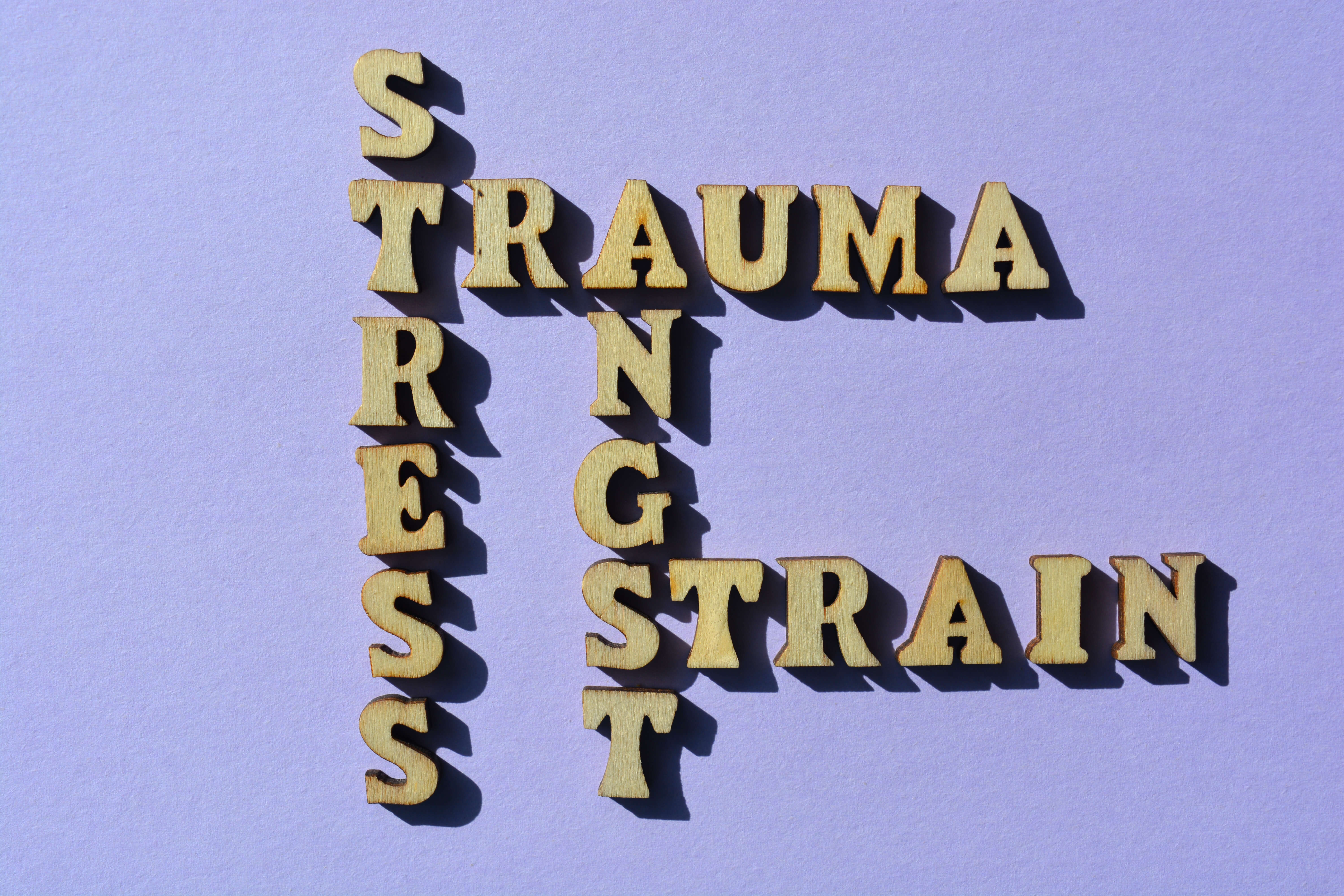
1. Professional Therapy & Counselling
Talking to a psychologist or licensed therapist isn’t “too much” or only for those in crisis. It’s a safe space to untangle thoughts, learn coping mechanisms, and develop healthier emotional responses. It’s a place where an unbiased listener hears us out without any prejudice, creating a comfort cocoon for us. Whether it’s Cognitive Behavioural Therapy (CBT), talk therapy, or even group sessions, professional help can be life-changing.
Source: Envato
2. Medication (If Prescribed)
In some cases, stress and anxiety may necessitate medical intervention. This doesn’t imply weakness; it signifies choosing to care for our brain just as we would for our body.
3. Mindfulness & Grounding Techniques
Practices like meditation, deep breathing, and sometimes, even crying out loud, help to cope. Following the common grounding techniques for anxiety, like touching comforting objects around, putting hands in cold water, we can train our minds to slow down and stay calm. These techniques aren’t just buzzwords; they’re scientifically proven to lower cortisol levels and improve emotional clarity.

Source: Envato
4. Exercise & Movement
Even simple movements like walking, stretching, or dancing release endorphins and reduce tension. Regular physical activity is one of the most accessible and effective stress management tools. It helps improve our sleep, and better sleep equals better stress management.
5. Journaling & Creative Outlets
Writing down our thoughts, painting, music, or any form of creative expression helps process emotions that are hard to verbalise. It’s important to create a ‘me-time,’ away from everyday duties and responsibilities for emotional well-being.

Source: Canva Pro
6. Healthy Boundaries
Saying a ‘no’ to plans that won't suit us, logging off on time with a work-life balance, and avoiding people who may not be good for our mental health is not about selfishness, but peace. Setting boundaries is a key stress management skill we all need to normalise.
7. Support Systems
Sometimes talking to friends, family, or joining support groups can offer comfort and perspective. Vulnerability with people we trust is a strength, not a burden.
8. Digital Detox
Taking conscious breaks from screens and social media can significantly improve mental clarity and reduce anxiety. The pressure to have a perfect life, a perfect career, or to have a perfect relationship/ friendship should not destroy our present moments. We don’t always need to be available. We must learn to disconnect to reconnect with ourselves first.
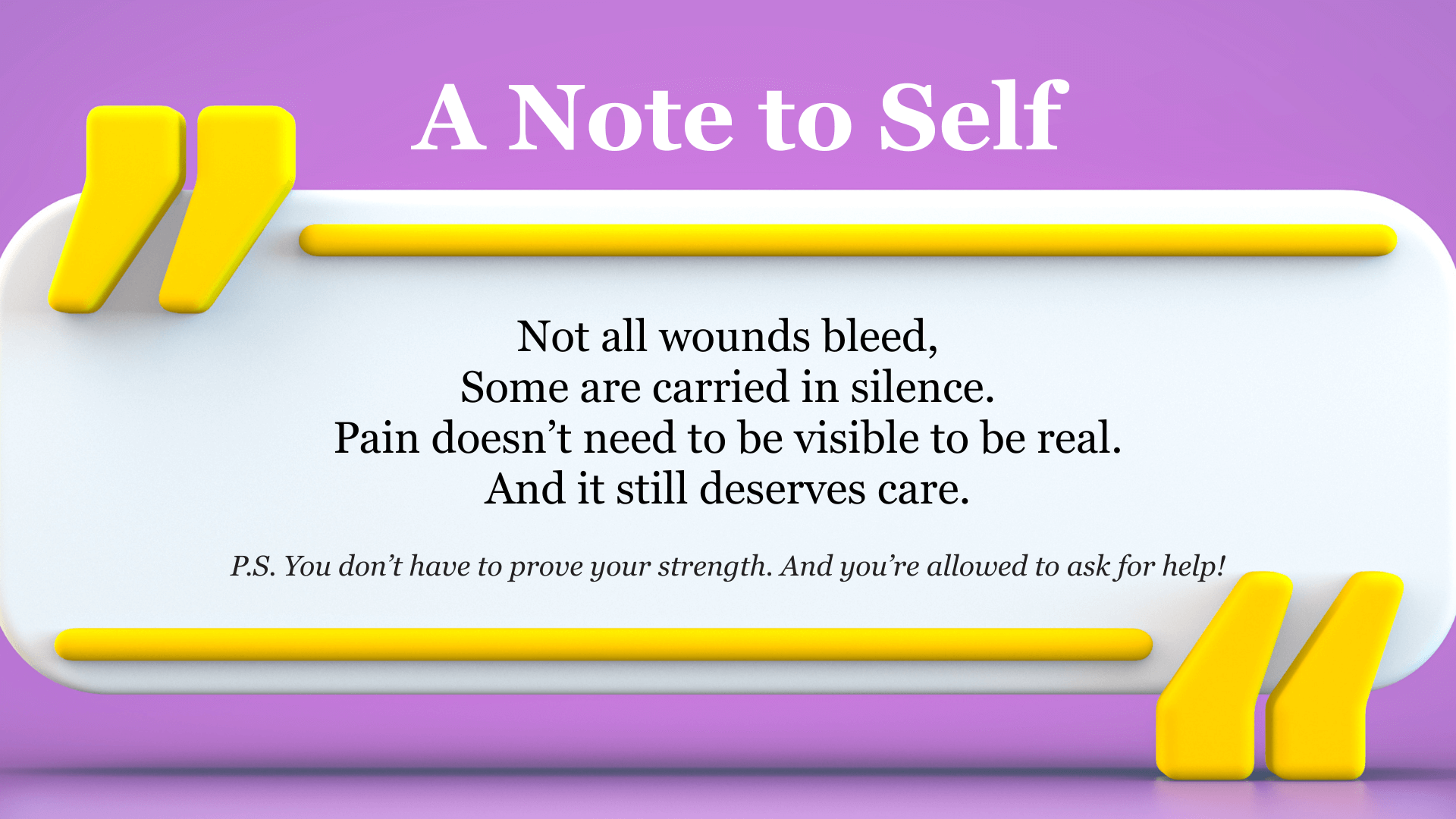
Source: Canva Pro
Break the Cycle of Silence and Stigma
As we shed light on the silent mental battles many continue to face, through this blog, especially those who carried the burden of “log kya kahenge” while quietly enduring their stress, one thing is clear: the time for change is now. The baggage of societal judgment, the fear of appearing vulnerable, and the belief that emotional struggles should be hidden shall no longer serve us.

If you or someone you know is struggling with mental health issues, don’t hesitate to ask for help.
And if you or someone you know is in urgent need of raising funds for critical medical treatments, visit at impactguru.com


 Information
 Alert
Alert