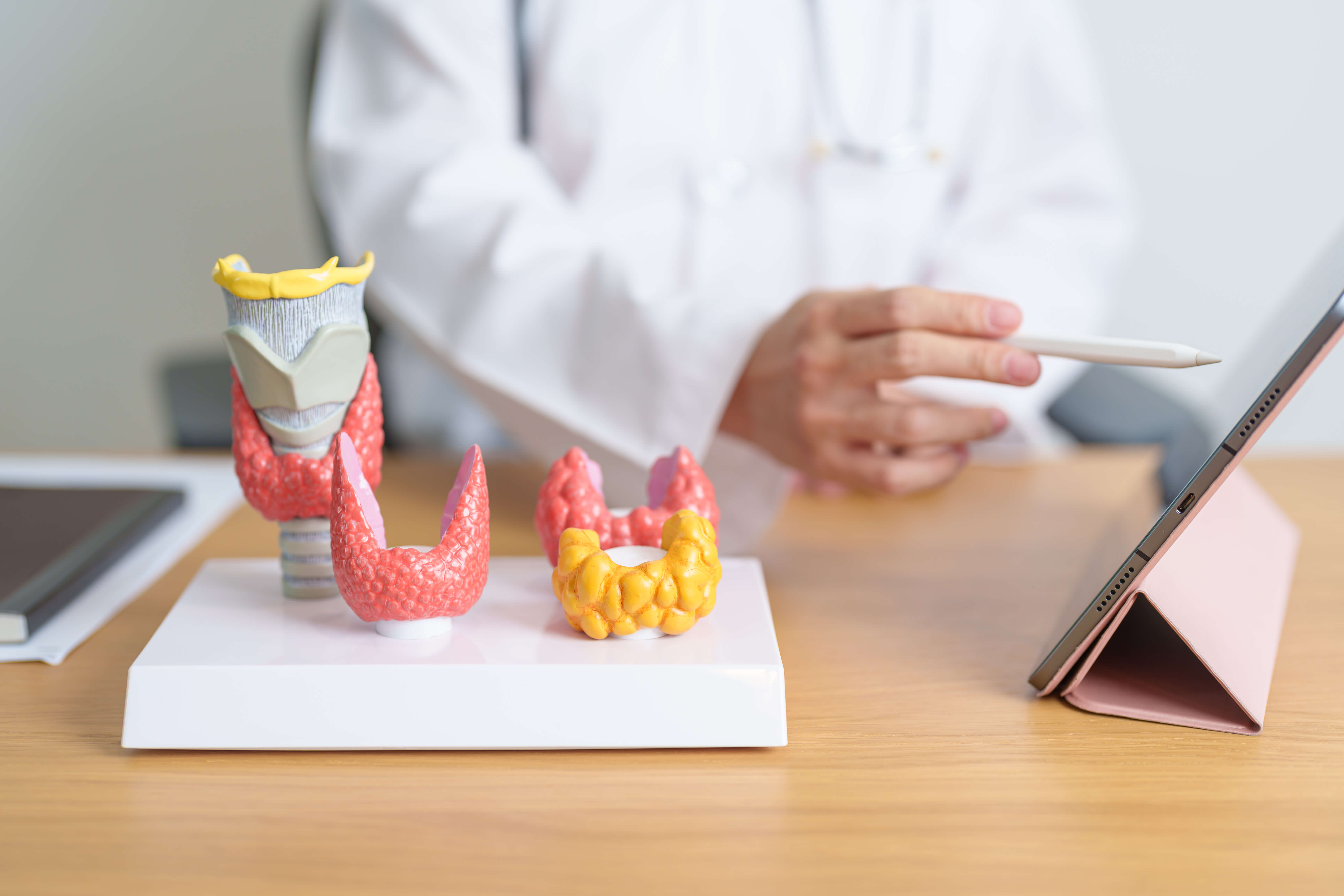
National Thyroid Awareness Month: Spotlight On The Tiny Organ That Holds The Secret To Your Health!
By: ImpactGuru
Published On: January 21, 2025
"Why am I feeling so tired?" If you have been struggling with unexplained fatigue, sudden weight changes, or mood swings, your Thyroid might be trying to tell you something.
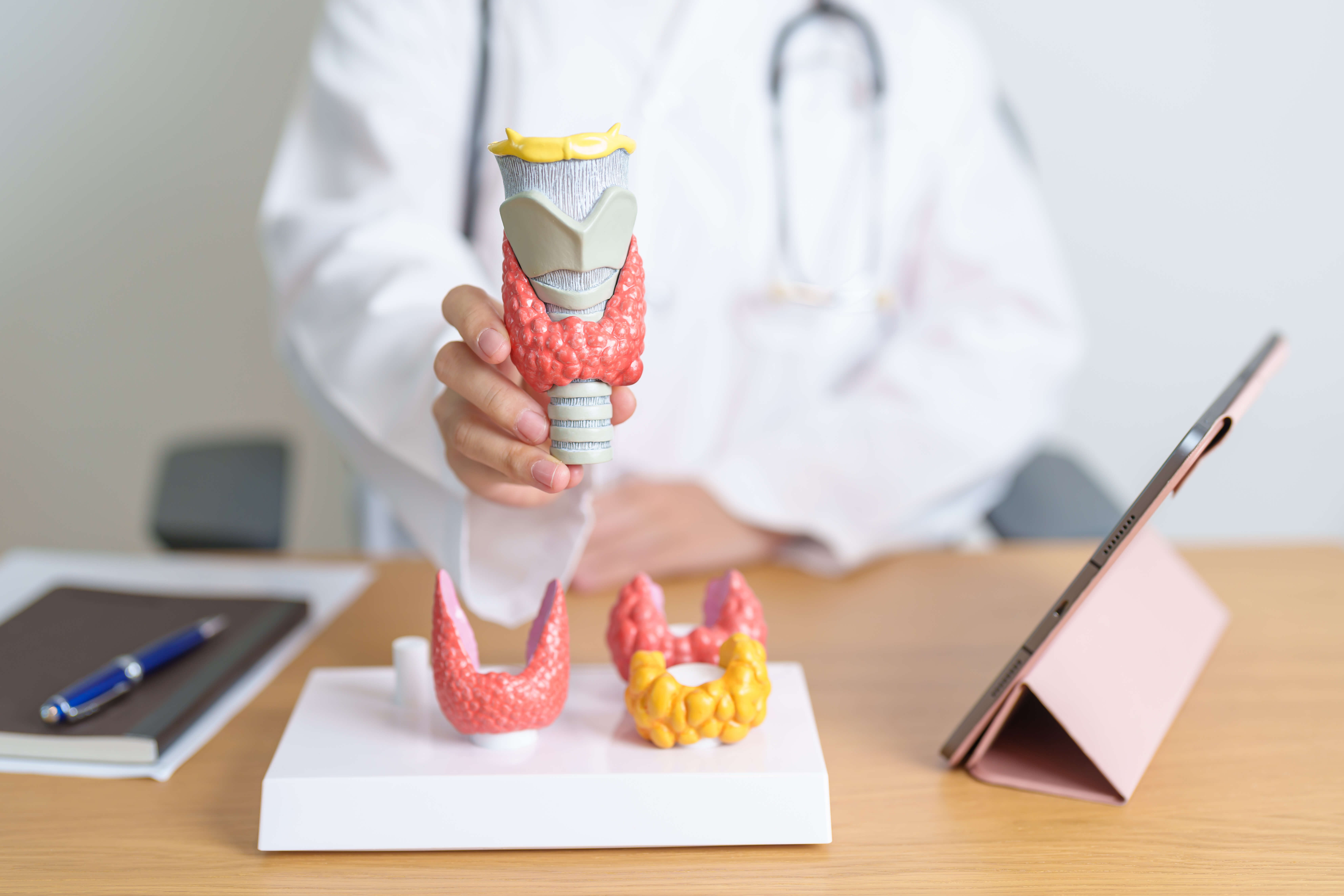
The thyroid, a butterfly-shaped gland in the neck, regulates the body's metabolism and energy levels. Despite being small, its impact is monumental, influencing everything from heart rate to mental clarity.
But what happens when this tiny powerhouse doesn't function as it should?
Source: Envato
Welcome to National Thyroid Awareness Month, celebrated every January. It focuses on raising awareness about thyroid health, its disorders, and the importance of its early detection for a balanced and thriving life. It is not just an awareness month, it’s a lifeline for millions who struggle silently with thyroid disorders. Thus, this month gives you a chance to pause, reflect, and ask– “Am I listening to my body’s whispers before they become screams?”
Conditions like hypothyroidism, hyperthyroidism, and autoimmune diseases such as Hashimoto’s disease and Graves’ disease are often overlooked due to carelessness, leaving individuals confused by symptoms that can easily be mistaken for ordinary fatigue or weakness.
But here's the silver lining: thyroid disorders are highly manageable once detected. That is exactly why National Thyroid Awareness Month is so important— it helps raise awareness about your thyroid health and empowers you to take control of your well-being. Thus, staying informed and actively monitoring your health is key to managing these conditions effectively.
Assess Thyroid Health With This Simple Self-Test
Take a moment to perform this simple thyroid self-check test to ensure everything is on track with your health.
 Source: Pixabay
Symptom Checklist
Do you feel tired even after a good night’s sleep?
Are you gaining or losing weight without trying?
Is your mood swinging unpredictably?
Are you losing hair or noticing thinning?
Do you feel unusually cold or warm compared to others?
If you answered “yes” to multiple questions, it’s time to dig deeper!
Source: Envato
The Mirror Test
Stand in front of a mirror with a glass of water.
Tilt your head back and take a sip, watching the base of your neck as you swallow.
Look for any unusual lumps or swelling.
Gentle Reminder: You shall not confuse the Adam’s apple with the thyroid gland. The thyroid gland is located further down on your neck, closer to the collarbone.
Further, repeat the above process several times to check properly.
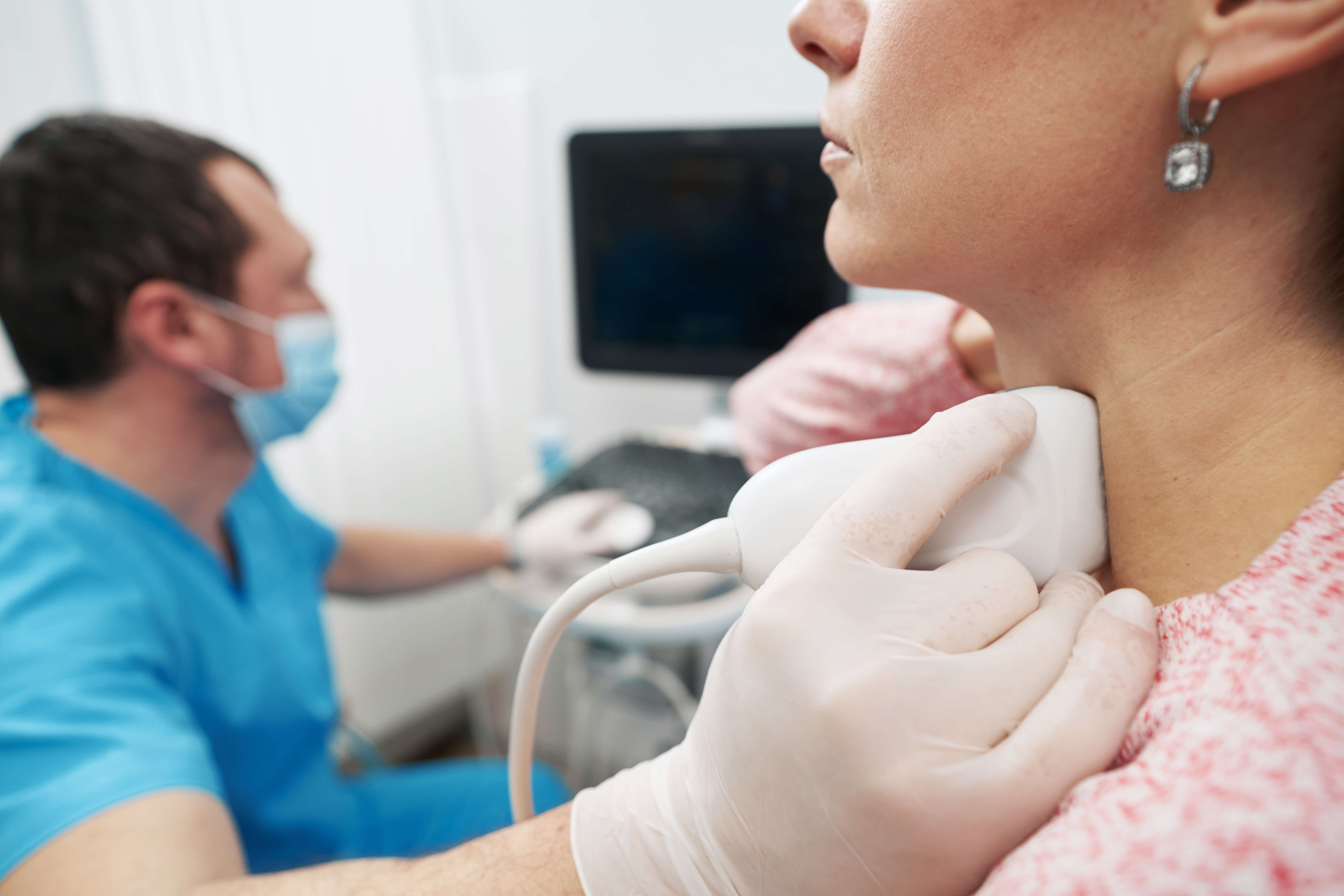
If you notice something, consult an endocrinologist. Your thyroid may be trying to tell you something! Enlarged thyroid glands or thyroid nodules should be checked as soon as possible to determine if they are cancerous. Thus, a quick self-test could help you know the symptoms before it is too late!
Are you still curious what to do next?
Here’s the answer to some of the most frequently asked questions to clear your doubts further–
1. What hormones are produced in the thyroid gland?
The primary thyroid hormones are thyroxine (T4) and triiodothyronine (T3). For the body to produce a sufficient amount of thyroid hormones, it is essential to consume an adequate amount of iodine, typically 100-150 micrograms daily.
Moreover, thyroid hormones play a crucial role in regulating the body's energy use and maintaining a stable metabolic rate.
Source: Envato
2. I am gaining weight, could I have hypothyroidism?
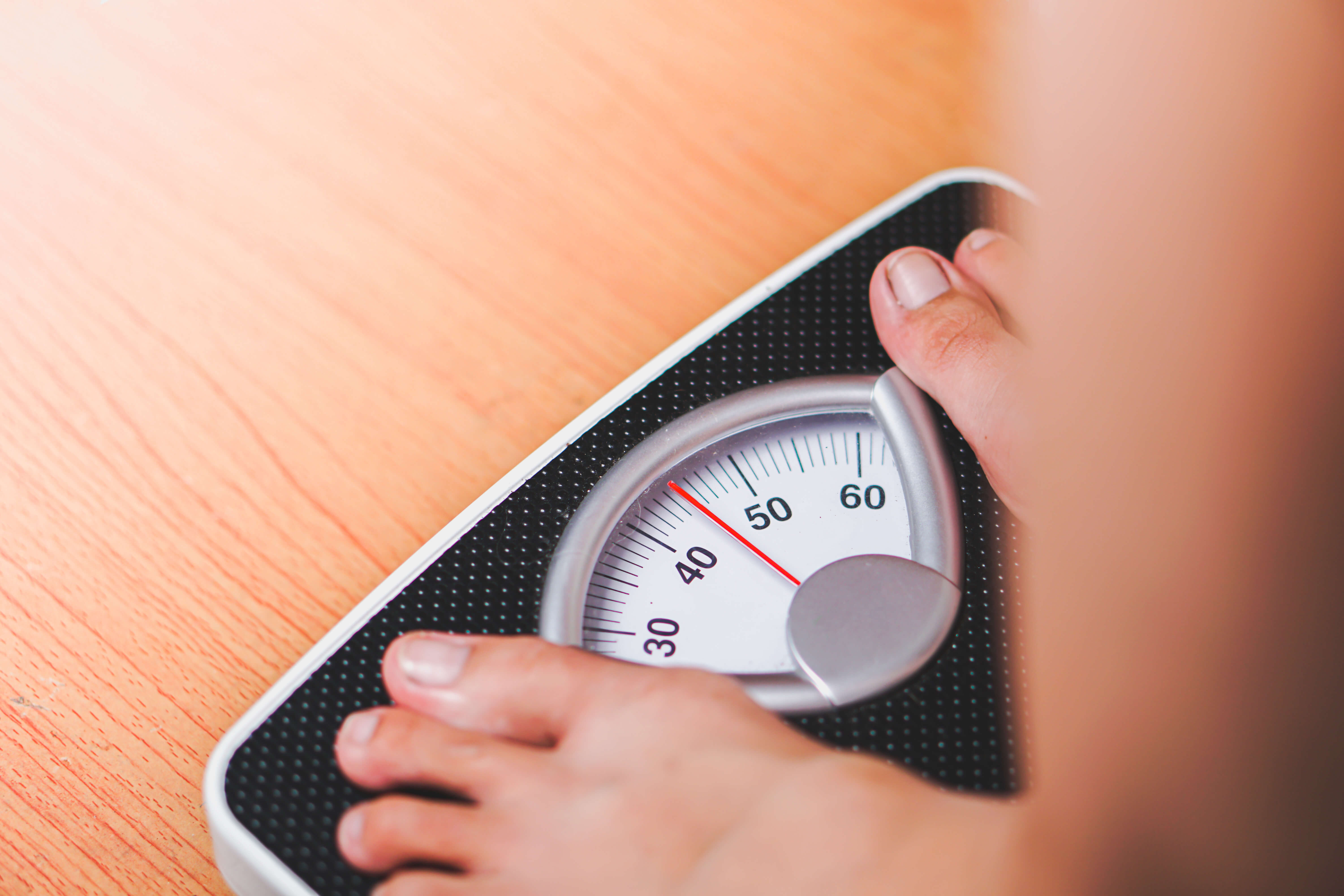
Hypothyroidism can lead to a modest weight gain, which may vary in significance depending on the individual and the severity of the condition. However, suppose weight gain occurs in isolation without other symptoms such as fatigue, sluggishness, feeling cold, low mood, memory issues, constipation, drowsiness, dry skin, hair loss, thinning of the outer eyebrows, muscle aches, irregular menstruation, or increased bleeding. In that case, it is unlikely to be caused by hypothyroidism. If significant weight gain occurs without changes in diet or physical activity, it is advisable to consult your primary care physician for further evaluation.
3. I have a thyroid nodule. Are all thyroid nodules cancerous?
A nodule refers to a mass, but not all nodules are cancerous, which often causes confusion and concern for patients. In fact, statistics show that only 5% of thyroid nodules are cancerous, while 95% are benign. Nonetheless, it is crucial to consult an endocrinologist for proper evaluation once a nodule is detected.
4. What happens if thyroid diseases are not treated?
If left untreated, thyroid diseases worsen over time. For example, untreated hypothyroidism leads to further weight gain, inactivity, and ongoing metabolic issues. In cases of untreated hyperthyroidism, palpitations persist and may result in heart problems, along with increased nervousness.
5. Is thyroid treatment expensive?
The costs of managing thyroid disorders can vary widely depending on the type of treatment, whether it is Radioactive Iodine Therapy, Thyroidectomy procedures, or other Thyroid Cancer treatments. Without insurance, the total estimated cost of thyroid cancer treatment in India can range from approximately Rs. 2 lakhs to Rs. 10 lakhs or more, depending on the specific circumstances and healthcare facilities. In this case, a little help from crowdfunding can cause wonders!
Also read: Types Of Thyroid Cancer That Exists

Source: Shutterstock
How Can Crowdfunding Help You With Rising Medical Costs?
Platforms like ImpactGuru empower individuals to raise funds through crowdfunding for medical treatments, including thyroid-related conditions. Here’s how—
It makes treatment accessible. By sharing your story and treatment needs, crowdfunding helps you reach out to friends, family, and even strangers willing to contribute to your cause.
It amplifies awareness. A heartfelt story about your journey with thyroid illness not only raises funds but also spreads awareness about the importance of early diagnosis and treatment.
It builds a support network. Crowdfunding doesn’t just offer financial support—it helps connect you with a community of people who genuinely care about your well-being.
Raising funds during a medical crisis can lighten the financial load, allowing you or your loved ones to focus on recovery instead of stressing over hospital bills. At the same time, it's important to take proactive steps toward better health. Thus, this January, take control of your well-being and turn awareness into meaningful action.
Start Your Journey To Thyroid Wellness This January!
National Thyroid Awareness Month is not just about raising awareness, it's a reminder to prioritize your health and listen to your body. While thyroid disorders can be challenging, rest assured that support and resources are within reach.
Thus, let this January mark the beginning of your path to improved thyroid health, with the knowledge, care, and strength to support you every step of the way.
After all, "The greatest wealth is health."


 Information
 Alert
Alert