How Monthly Giving Helps Patients Fighting Rare Disease
By: Raj, Diamond
Published On: April 01, 2022
WHO describes a rare disease as a severe lifelong disease that affects ‘1 or fewer per 1000 population.’ However, several nations have their own definitions considering their own demographics, public healthcare system, and resources. To get a more precise idea about rare diseases, the researchers simplify it into three parts:
Based on location- Rare illness may be scarce in one country, but the same may be pretty common in other areas of the globe.
Based on how rare it is - A rare disease may be substantially rarer than other diseases.
The rare disorder effect - It may depend heavily upon research ability, leading to clinical trials and investigations as compared to other diseases.
In India, the Indian Council of Medical Research (ICMR) started the National Registry for Rare Diseases to include all the centres in India involved in diagnosing and managing rare diseases to get epidemiological data. Based on the study, ICMR defines a rare disease as a life-threatening condition that affects less than 1 in 2500 people in India.
Below we will cover data regarding rare diseases to understand their adverse effect on people in India and globally.

Some of the Critical Facts Regarding Rare Diseases are as follows:
Worldwide Statistics for Rare Disease
More than 7,000 to 8,000 rare diseases exist worldwide, with many new ones being unidentified currently.
72% of rare diseases are genetic.
70% of them start during childhood.
According to WHO, around 1 out of 15 individuals globally are impacted by a rare illness. While nearly 300 million people live with a rare disease.
Rare Disease in India
In India, 72 - 96 million individuals live with a rare disease, of which 80% are children.
Only 450 rare diseases were reported in India from the tertiary hospital.
Less than 5% of rare diseases have therapies to cure them.
From the above data, it’s clear that only a few cases were reported in India and worldwide because identification of a rare disorder may take up to a few years due to difficulties in diagnostic methods and insufficient data and knowledge on the same. It is vital to spread awareness among the public, and physicians, educate doctors for improved diagnosis, standardize diagnostic modalities, invent new diagnostic instruments, and invest in gene therapy to get more accurate data on rare diseases.
The Most Common Rare Diseases Reported in India are:
Thalassemia
Sickle-cell Anaemia
Hemangiomas
Gaucher’s disease
Haemophilia
Gaucher’s disease and Pompe’s disease are types of Lysosomal Storage Disorders.
- Hirschsprung disease.
Graves’s Disease, Addison’s Disease.
Cystic Fibrosis
Spinal Muscular Atrophy
The 3 Main Challenges in India for Rare Diseases Diagnosis and Treatment are:
Lack of Research and Development
A pivotal issue in research and innovation for most rare illnesses is that there is very little knowledge about these diseases' pathogenesis. Rare diseases are challenging to probe since the patient pool is relatively low, frequently resulting in insufficient clinical experience. Therefore, the medical explanation of uncommon disorders may be distorted or inadequate. The difficulty gets considerably larger when peculiar illnesses are frequent, where regular follow-up is pretty essential.
Inadequate Medical Treatment for Rare Disease
Accessibility and availability of treatment is crucial to reducing morbidity and mortality linked with rare diseases. Despite improvements in recent years, efficient or safe medication is not easily available for most rare illnesses. Hence, even when a person has an accurate diagnosis, there may not be adequate medicine to treat the rare disorder.
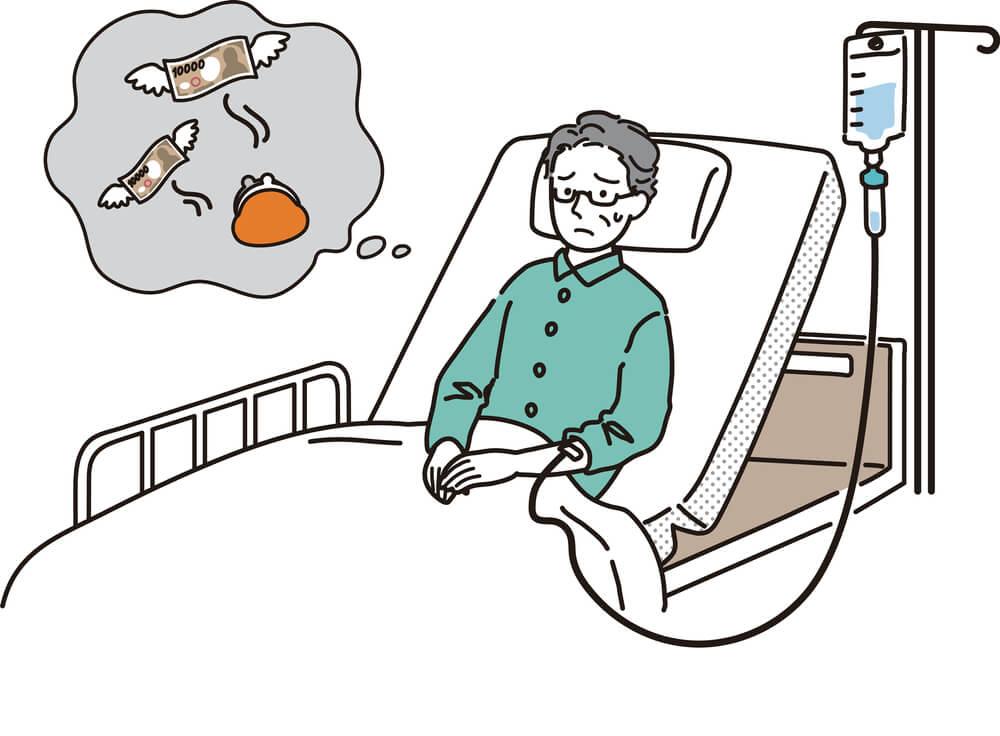
Expensive or High Cost of Treatment
As the number of individuals suffering from specific rare illnesses is limited, they do not provide a large market for drug producers to produce and supply necessary medications. For this reason, rare diseases, also known as ‘orphan diseases,’ and remedies to cure them are called “orphan medicines.”
Where they do manufacture pharmaceuticals to cure rare illnesses, they sell them at extraordinarily high prices, presumably, to cover the expense of research and innovation. Few pharmaceutical firms are developing medications for rare diseases worldwide, and there are no local producers of rare disease medication in India. Due to the excessive expense, the authorities have not been able to give these medications for free.
As a result, it becomes difficult for ordinary people to independently take such expensive rare disease treatments.
Recommended Read: How Crowdfunding Can Help Rare Disease Patients In India?
<


 Information
 Alert
Alert