


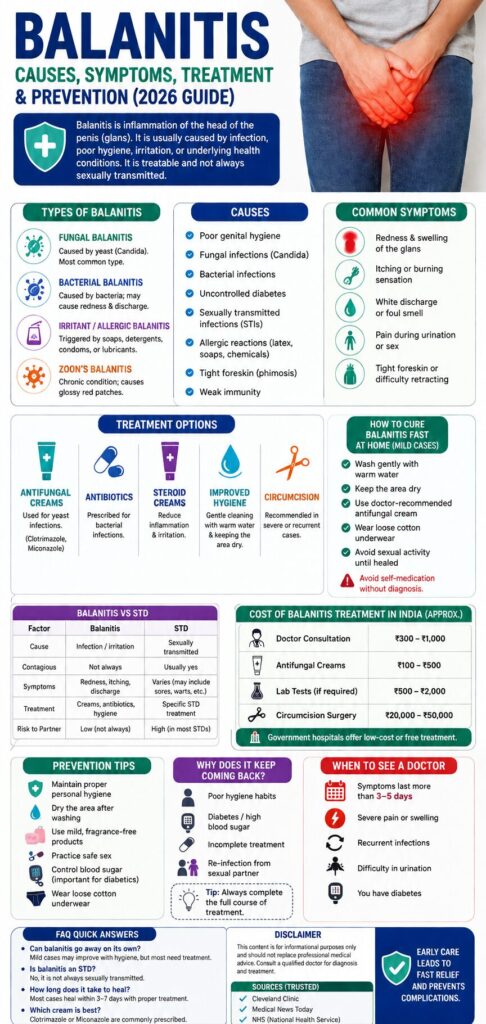
Balanitis is inflammation of the head of the penis (glans), commonly caused by fungal or bacterial infections, poor hygiene, or underlying conditions like diabetes. It is treatable with antifungal creams, antibiotics, and proper hygiene. Early treatment helps prevent complications and recurrence.
Symptoms of balanitis can vary but often include redness, swelling, itching, and discomfort in the affected area. In some cases, patients may also experience pain during urination or sexual intercourse. These symptoms can significantly influence a person’s quality of life and may prompt them to seek medical advice.
Various factors can contribute to the development of balanitis. Poor hygiene, bacterial or fungal infections, sexually transmitted infections (STIs), skin conditions like eczema or psoriasis, and allergic reactions to soaps or other personal care products are among the common causes. Understanding the underlying cause is vital for determining the most effective treatment approach.
Treatment for balanitis typically involves addressing the underlying cause while managing symptoms to alleviate discomfort and prevent complications. Improving hygiene practices, such as gently washing the penis with warm water and mild soap, can help prevent infections and reduce inflammation. Antifungal or antibiotic medications may be recommended to eliminate the causative agents in cases of infections.
Balanitis is a manageable condition that requires proper understanding, diagnosis, and treatment. By recognizing its symptoms, understanding its causes, and adopting preventive measures, individuals can effectively manage balanitis and improve their overall genital health. If you suspect you have balanitis or experience associated symptoms, consulting a medical professional is crucial for accurate diagnosis and personalized treatment.
Read More: Impactguru hospital finder tool Indi
Table of Contents
Balanitis Treatment
Different balanitis treatment types are available in India, and their costs vary depending on the city, hospital, and treatment method. Here are some of the common types of balanitis treatment and their approximate costs in India:
– Antifungal treatment: This is used for balanitis caused by candida, a fungus that can infect the skin. A doctor can prescribe antifungal creams or tablets to clear the infection and reduce the inflammation. The cost of antifungal treatment can range from Rs. 200 to Rs. 1000, depending on the brand and dosage of the medication.
– Antibiotic treatment: This is used for balanitis caused by bacteria, such as streptococcus or staphylococcus. Antibiotics can be consumed orally or applied topically to kill the bacteria & prevent further complications. The cost of antibiotic treatment can range from Rs. 300 to Rs. 1500, depending on the type and duration of the medication.
– Steroid treatment: This is used for balanitis caused by psoriasis, a chronic skin ailment that causes red, scaly patches on the skin. Steroid creams can be applied to the impacted area to reduce inflammation & itching. The cost of steroid treatment can range from Rs. 500 to Rs. 2000, depending on the strength and quantity of the medication.
– Circumcision: This is a surgical procedure that involves extracting the foreskin that covers the head of the penis. Circumcision can be done for various reasons, like religious, cultural, or medical. Circumcision can help prevent recurrent balanitis by improving hygiene and reducing the risk of infection. The cost of circumcision can vary depending on the method of surgery, the experience of the surgeon, and the hospital charges. There are three main methods of circumcision:
– Laser circumcision: This is a minimally invasive technique that uses a laser beam to cut and seal the foreskin without any bleeding or stitches. Laser circumcision is painless, quick, and has a faster recovery time than other methods. The cost of laser circumcision can range from Rs. 26,000 to Rs. 34,500.
– Stapler circumcision: This is another minimally invasive technique that uses a unique device called a stapler to cut and seal the foreskin with metal staples. Stapler circumcision is also painless, quick, and has a faster recovery time than other methods. The cost of stapler circumcision can range from Rs. 26,500 to Rs. 35,000.
– Open circumcision: This is a conventional technique that involves cutting and stitching the foreskin manually with a scalpel and sutures. Open circumcision is more painful, takes longer time, and has a slower recovery time than other methods. The cost of open circumcision can range from Rs. 20,000 to Rs. 35,000.
The cost of balanitis surgery in India ranges between INR 30,000 to INR 35,000. However, the final price of surgery is calculated after considering various factors, such as:
– The city of the treatment: The cost of balanitis surgery may vary from city to city, depending on the infrastructure and the quality of treatment. Balanitis surgery costs are usually higher in metro cities than in tier 2 cities.
– The choice of the hospital (government or private): The cost of surgery in government hospitals is usually lower than in private hospitals. Private hospitals offer better quality treatment and fewer risks and complications of any surgical treatment.
– The type of surgery: There are different types of circumcision methods available, such as laser circumcision, stapler circumcision, or open circumcision. The cost of each method may differ based on the equipment used, the duration of the procedure, and the recovery time.
– The experience of the urologist: The cost of surgery may also depend on the expertise and reputation of the urologist performing the procedure. A more experienced and qualified urologist may charge more than a less experienced one.
– Preoperative and postoperative care: The cost of surgery may also include the expenses for preoperative tests and diagnostics, anesthesia, hospitalization, medications, dressing, follow-up consultations, etc.
Cost of Balanitis Treatment in India
| Treatment Type | Estimated Cost |
|---|---|
| Doctor Consultation | ₹300 – ₹1,000 |
| Antifungal Creams | ₹100 – ₹500 |
| Lab Tests | ₹500 – ₹2,000 |
| Circumcision Surgery | ₹20,000 – ₹50,000 |
Government hospitals offer low-cost or free treatment.
Balanitis Symptoms
Balanitis can occur in men and boys, often due to poor hygiene, infection, or irritation. The symptoms of balanitis can vary but commonly include:
1. Redness and Swelling: The affected area may appear red and swollen. This inflammation can extend to the foreskin in uncircumcised males.
2. Itching or Irritation: Itching or discomfort around the glans penis is common with balanitis. This may be mild to severe and can interfere with daily activities.
3. Pain or Sensitivity: Some individuals may experience pain or tenderness in the affected area, particularly during urination or sexual activity.
4. Discharge: In some cases, there may be discharge from the penis. This discharge can differ in color and consistency but is often white or yellow.
5. Odor: Foul-smelling discharge or an unpleasant odor around the penis can also be a symptom of balanitis.
6. Difficulty Retracting the Foreskin: For uncircumcised males, balanitis can cause difficulty retracting the foreskin. This is known as phimosis and can contribute to inflammation and discomfort.
7. Cracking or Bleeding: In severe cases, the skin of the glans penis may crack or develop small tears, leading to bleeding and further discomfort.
It’s vital to note that these signs & symptoms can also be indicative of other conditions, such as sexually transmitted infections (STIs) or allergic reactions. Therefore, it’s better to consult a medical professional for an accurate diagnosis and appropriate treatment. Prompt medical attention can help alleviate symptoms & reduce complications associated with balanitis.
Balanitis Causes
Here’s a detailed explanation of the potential causes of balanitis:
1. Poor Hygiene: Poor hygiene is among the most common causes of balanitis. Not cleaning the genital area properly can cause an accumulation of bacteria, sweat, and debris under the foreskin. This can develop an environment conducive to bacterial growth, which can cause inflammation.
2. Bacterial Infection: Bacterial infections, particularly those caused by organisms such as Escherichia coli (E. coli), Streptococcus spp., and Staphylococcus aureus, can lead to balanitis. These bacteria can enter the genital area through various means, including sexual contact, unclean surfaces, or poor hygiene practices.
3. Fungal Infection: Fungal infections, such as candidiasis (caused by Candida albicans), are another common cause of balanitis, especially in uncircumcised men. Candida is a type of yeast that naturally resides in the body but can overgrow in warm, moist environments like the genital area, leading to inflammation and irritation.
4. Sexually Transmitted Infections (STIs): Certain sexually transmitted infections can cause balanitis. These include herpes simplex (HSV), human papillomavirus (HPV), and syphilis. These infections are generally transmitted through sexual contact with an infected partner.
5. Allergic Reactions: Allergic reactions to soaps, detergents, condoms, or other personal hygiene products can cause balanitis. These reactions can irritate the delicate skin of the genital area, leading to inflammation and discomfort.
6. Skin Conditions: Certain skin conditions, such as psoriasis or eczema, can affect the genital area and lead to balanitis. These conditions cause inflammation and skin irritation, which factors like poor hygiene or allergens can exacerbate.
7. Diabetes: Men with diabetes are at an increased risk of developing balanitis. High glucose levels in the urine can provide a breeding ground for bacteria & fungi, leading to infections and inflammation of the genital area.
8. Phimosis: Phimosis is a medical ailment in which the foreskin of the penis is too tight to be dragged back over the glans. This can cause poor hygiene & an increased risk of balanitis due to the buildup of smegma (a mixture of dead skin cells, oils, & moisture) under the foreskin.
9. Chemical Irritants: Exposure to chemical irritants such as harsh soaps, perfumes, or lubricants can irritate the skin of the genital area, leading to balanitis.
10. Medications: Certain medications, such as antibiotics or immunosuppressants, can disrupt the balance of bacteria and fungi in the body, increasing the risk of developing balanitis.
It’s important to note that the exact cause of balanitis can vary from person to person, and in many cases, it may be due to a combination of factors rather than a single cause. Additionally, some individuals may be more predisposed to developing balanitis due to factors such as genetics or underlying medical conditions.
What Is Balanitis?
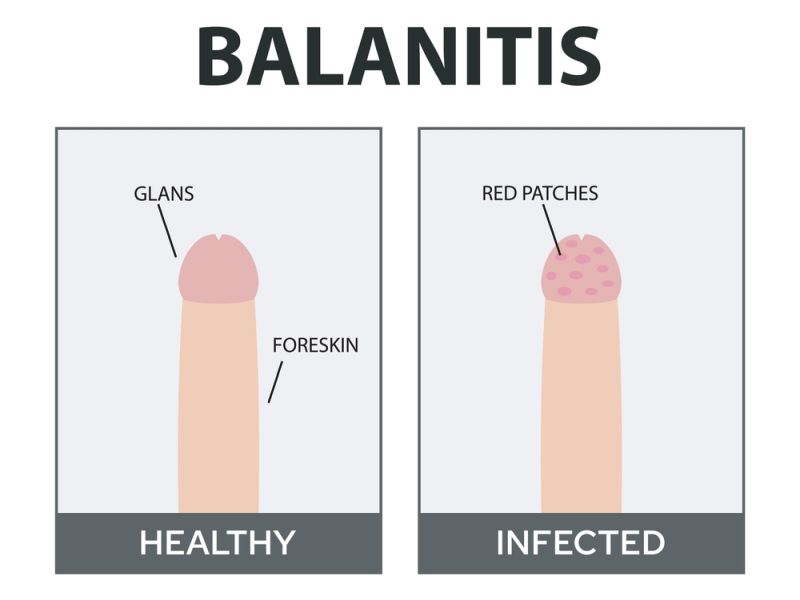
Balanitis is a condition that causes inflammation & pain on the head of the penis (glans). It usually affects uncircumcised men or people assigned male at birth (AMAB), especially those who have a tight foreskin that is hard to pull back. Balanitis can have various causes, such as infections, allergies, skin conditions, diabetes, or poor hygiene.
The prognosis and outlook for balanitis depend on the cause and the treatment. Most cases of balanitis can be managed with medication and good hygiene. Surgery is not needed most of the time. However, if balanitis is left untreated, it can lead to complications such as scarring, tightness, or reduced blood supply to the penis. Therefore, it is vital to see a healthcare provider if you have symptoms of balanitis and follow their instructions.
Balanitis Diagnosis & Tests
To diagnose balanitis, a doctor will examine the penis and ask about the symptoms and medical history. They may also take a swab from the glans to test for any infection, such as bacteria, fungi, or sexually transmitted infections (STIs). A urine or blood glucose test may be done to screen for diabetes, which can increase the risk of balanitis. In rare cases, a biopsy (a small tissue sample) may be taken from the glans to check for any chronic skin conditions.
Some of the tests that may be used to diagnose balanitis are:
– Serum glucose test: This blood test measures the blood glucose (sugar) level. High blood glucose can indicate diabetes, which can make the penis more prone to infections and inflammation.
– Swab test: This involves gently rubbing a cotton swab over the affected area and sending it to a laboratory for analysis. The swab can detect the presence of bacteria, fungi, or STIs that may cause balanitis.
– Urine test: This involves collecting a urine sample & sending it to a laboratory for analysis. The urine can show signs of infection or diabetes.
– Biopsy: This diagnostic test involves removing a tiny piece of tissue from the glans and sending it to a laboratory for evaluation under a microscope. The biopsy can reveal any abnormal cells or skin conditions that may cause balanitis.
Balanitis Prevention Tips
Maintain Proper Genital Hygien
Clean the Area Daily
Wash the penis gently with lukewarm water every day. If uncircumcised, pull back the foreskin and clean underneath to remove smegma buildup.
Avoid Harsh Soaps & Chemicals
Use mild, fragrance-free cleansers. Strong soaps, antiseptics, or perfumed products can irritate the sensitive skin and trigger balanitis.
Dry the Area Completely
After washing, ensure the area is completely dry before wearing clothes. Moisture promotes fungal growth.
Practice Safe Sexual Hygiene
Use Protection During Intercourse
Always use condoms to reduce the risk of infections that may lead to balanitis.
Clean Before & After Sex
Wash the genital area before and after intercourse to prevent bacterial or fungal buildup.
void Irritating Lubricants
Choose hypoallergenic, water-based lubricants to avoid allergic reactions.
Manage Underlying Health Conditions
Control Blood Sugar Levels
People with diabetes are at higher risk. Keeping blood sugar under control significantly reduces recurrence.
Boost Immunity
Maintain a healthy diet, exercise regularly, and get enough sleep to strengthen immune response.
Wear Comfortable & Breathable Clothing
Choose Loose Cotton Underwear
Tight clothing traps moisture. Wear loose, breathable cotton underwear to keep the area dry.
Change Underwear Regularly
Change daily or more often if sweating to prevent bacterial growth.
Avoid Self-Medication & Irritants
Do Not Use Random Creams
Using over-the-counter creams without diagnosis can worsen symptoms or mask underlying infections.
Identify and Avoid Allergens
If you notice irritation from certain products (soap, latex, detergents), stop using them immediately.
Prevent Recurrence of Balanitis
Complete Full Treatment Course
Even if symptoms improve, always complete prescribed medication to prevent recurrence.
Treat Your Partner if Needed
In some cases (especially fungal infections), both partners may need treatment to avoid reinfection.
Regular Medical Checkups
If you experience frequent infections, consult a doctor for proper diagnosis and long-term prevention.
Special Prevention Tips for Uncircumcised Men
Retract and Clean Foreskin Properly
Gently retract the foreskin during bathing and clean underneath to avoid buildup.
Avoid Forceful Retraction
Never force the foreskin back, especially if tight, as it may cause injury and increase infection risk.
Diet & Lifestyle Tips for Prevention
Reduce Sugar Intake
High sugar levels promote fungal infections, especially in diabetics.
Stay Hydrated
Drinking enough water helps maintain overall hygiene and health.
Include Probiotic Foods
Curd/yogurt can help maintain healthy microbial balance and reduce fungal infections.
When to See a Doctor for Balanitis
While mild balanitis can sometimes improve with basic hygiene and over-the-counter treatment, certain symptoms indicate the need for medical evaluation and proper diagnosis. Ignoring these signs can lead to complications or recurrent infections.
Consult a doctor if:
- Symptoms last more than 3–5 days
- Severe pain or swelling
- Recurrent infections
- Difficulty urinating
- You have diabetes
Conclusion
In conclusion, balanitis is a common condition that affects men, characterized by inflammation of the foreskin or head of the penis. While it can cause discomfort and inconvenience, it is usually treatable with proper hygiene, medication, and, in some cases, lifestyle changes. Understanding the symptoms, causes, and available treatments is crucial for managing and preventing balanitis effectively. Seeking medical advice for accurate diagnosis and tailored treatment is essential for those experiencing symptoms or concerns related to this condition.
Balanitis treatment costs can vary based on the severity of the condition & the required interventions. For many individuals in India, these costs can be prohibitive, especially considering the socio-economic disparities prevalent in the country. Crowdfunding allows individuals to gather financial support from a broad network of donors, making treatment more accessible.
FAQs
Mild cases may improve with hygiene, but most require proper treatment to avoid complications.
No, balanitis is not always sexually transmitted, but infections can sometimes be linked to sexual activity.
Antifungal creams combined with proper hygiene provide the fastest relief in most cases.
Clotrimazole and Miconazole are commonly prescribed antifungal creams.
Yes, high blood sugar increases infection risk, making diabetics more prone to balanitis.
Most cases resolve within 3–7 days with proper treatment.