


Table of Contents
- Quick Summary
- Introduction
- What Are the Symptoms of Acidity in the Stomach?
- How to Know If You Have Acidity or Gas?
- Early Signs of Acid Reflux Disease You Should Not Ignore
- How to Reduce Acidity Instantly at Home: Remedies That Actually Work
- Acidity Treatment in India: What Are Your Medical Options?
- How to Afford Long-Term Acidity Treatment in India
- Conclusion
- FAQs
Quick Summary
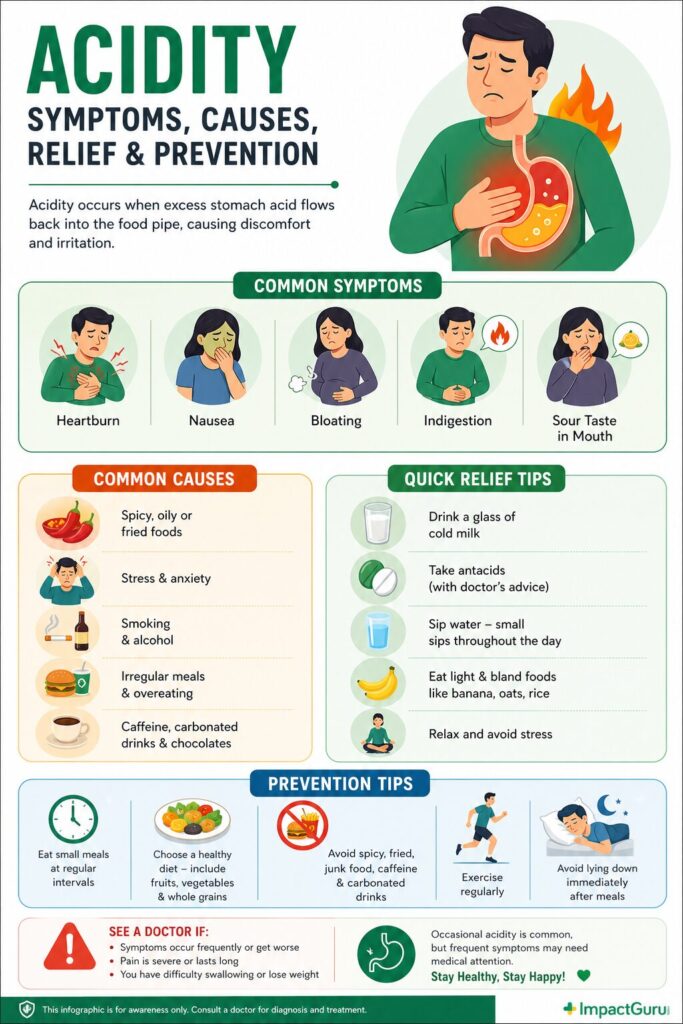
- The most common symptoms of acidity include heartburn, acid regurgitation, bloating, nausea, and a sour taste in the mouth.
- Spicy food, irregular meal timings, stress, obesity, and certain medications can trigger acidity.
- Home remedies like cold milk, fennel seeds, and banana offer quick, natural relief
- Chronic acidity (GERD) may require medical treatment ranging from ₹500 to ₹2,00,000+ in India, depending on severity.
- For patients facing complex GI complications or oesophageal surgery, medical crowdfunding platform are an option worth exploring.
Introduction
That burning sensation creeping up your chest after a heavy meal, most of us have felt it at least once. But when it happens regularly, it starts becoming a health concern.
Acidity, or acid reflux, occurs when stomach acid flows back into the oesophagus, causing a range of symptoms that can disrupt daily life. In India, it is one of the most frequently reported digestive complaints, fuelled by our love of spicy food, irregular eating habits, long work hours, and rising stress levels.
This guide covers what the early symptoms of acidity look like, how to tell it apart from gas or cardiac pain, what causes it, which home remedies actually work, and what treatment costs in India, including how people are managing long-term medical expenses. If you have been ignoring that persistent burn, this is your sign to pay attention.
What Are the Symptoms of Acidity in the Stomach?
The primary symptoms of acidity in the stomach include a burning sensation in the chest or throat (heartburn), sour or bitter taste in the mouth, bloating, belching, nausea, and regurgitation of food or liquid. These symptoms typically worsen after meals, when lying down, or early in the morning.
Acidity symptoms can vary from mild and occasional to frequent and severe. Here is what to look out for:
- Heartburn: A burning pain or discomfort that moves from your stomach up toward your chest and throat. It often worsens after eating, bending over, or lying down, and can be mistaken for a cardiac event.
- Acid Regurgitation: A sour or bitter-tasting liquid that rises from the stomach into the throat or mouth. This is one of the most telling signs of acid reflux.
- Bloating and Belching: A sensation of fullness, tightness, or trapped gas in the upper abdomen, often accompanied by frequent burping.
- Nausea: Some people experience queasiness, particularly in the morning or right after eating, especially with chronic acidity.
- Difficulty Swallowing (Dysphagia): In moderate to severe cases, acid can inflame the oesophagus, making swallowing uncomfortable or even painful.
- Chronic Dry Cough or Hoarseness: Stomach acid irritating the throat or vocal cords can trigger a persistent cough or voice changes, often misdiagnosed as a respiratory issue.
- Dental Erosion: Recurring acid exposure can slowly erode tooth enamel, a lesser-known but significant sign of ongoing acid reflux.
How to Know If You Have Acidity or Gas?
Acidity causes a burning sensation in the chest or throat and a sour taste in the mouth, linked to stomach acid rising upward. Gas causes bloating and abdominal pressure, relieved by belching or flatulence. If the discomfort is burning and rises toward the chest, it is more likely acidity than gas.
This is one of the most searched questions, and the confusion is understandable, since both conditions affect the digestive tract and can cause discomfort after meals.
| Feature | Acidity / Acid Reflux | Gas / Flatulence |
| Primary sensation | Burning in the chest or throat | Bloating, pressure in the abdomen |
| Location | Upper chest, behind the breastbone | Mid to lower abdomen |
| Taste in the mouth | Sour or bitter | Rarely affects taste |
| Relief | Antacids, cold milk | Passing gas, movement |
| Timing | Post-meal, lying down | Any time, often post-meal |
| Chronic risk | GERD if untreated | Usually temporary |
If you experience burning that travels upward and a sour taste that lingers, it is most likely acidity. If the pain is lower and relieved by passing gas, it is likely a gas issue.
Early Signs of Acid Reflux Disease You Should Not Ignore
Early signs of acid reflux disease include frequent heartburn (more than twice a week), persistent regurgitation, an unexplained sour taste in the mouth, and a chronic cough or throat irritation. If these symptoms last for more than two weeks, a medical evaluation is recommended.
Occasional heartburn affects most people at some point. But there are specific warning signs that suggest acid reflux is becoming a pattern, potentially progressing to GERD (Gastroesophageal Reflux Disease):
Heartburn occurring more than twice a week, consistently
Regurgitation that wakes you up at night, disrupting sleep
Unexplained weight loss, alongside digestive symptoms
Chest pain that you have had checked and confirmed is not cardiac
Worsening symptoms despite antacid use for two or more weeks
Difficulty or pain while swallowing, which may indicate oesophageal inflammation
These are signs that you need professional evaluation rather than just over-the-counter relief.
GERD (Gastroesophageal Reflux Disease) symptoms in adults include frequent heartburn, chronic regurgitation, chest pain, difficulty swallowing, a persistent dry cough, and disrupted sleep. Unlike occasional acidity, GERD is a diagnosed condition where acid reflux occurs regularly enough to damage the oesophagus and requires medical management.
GERD is the chronic, clinical form of acid reflux. According to gastroenterologists, GERD is diagnosed when acid reflux causes symptoms or complications at least twice a week over an extended period.
GERD-specific symptoms adults experience:
- Oesophagitis: inflammation of the oesophagus lining, causing pain and difficulty eating
- Barrett’s Oesophagus: a serious complication where oesophageal cells change, raising cancer risk (usually asymptomatic initially)
- Laryngopharyngeal Reflux (LPR): acid reaching the voice box, causing hoarseness, chronic throat clearing, or a lump-like sensation in the throat
- Non-cardiac chest pain: mimics a heart attack, caused by oesophageal spasms from acid
- Aspiration: acid entering the lungs, causing respiratory symptoms like wheezing
GERD requires an endoscopy for diagnosis and long-term management through lifestyle changes, medication, or, in some cases, surgery.
Causes of Acidity: Why Does It Happen?
he main causes of acidity are a weakened lower oesophageal sphincter (LES), which allows stomach acid to flow back upward. Common triggers include spicy or fatty foods, overeating, eating late at night, obesity, smoking, alcohol, stress, and certain medications like NSAIDs or aspirin.
Acidity is not always about what you eat; it is often about a combination of physiological and lifestyle factors.
Dietary Causes
- Spicy, fried, and fatty foods
- Citrus fruits, tomatoes, and vinegar-based foods
- Chocolate, mint, and carbonated drinks
- Coffee and tea, especially on an empty stomach
- Eating too quickly or eating very large meals
Lifestyle Causes
- Eating within 2–3 hours of bedtime
- Lying down immediately after meals
- Wearing tight clothing around the abdomen
- Smoking and alcohol consumption
Medical and Physiological Causes
- Hiatal hernia (stomach pushing through the diaphragm)
- Obesity: excess weight increases abdominal pressure
- Pregnancy: hormonal changes and uterine pressure
- Delayed gastric emptying (gastroparesis)
- Medications including NSAIDs (ibuprofen, aspirin), calcium channel blockers, and some antidepressants
Stress and Mental Health: Stress does not directly cause acid production, but it can slow digestion, increase sensitivity to pain in the oesophagus, and worsen symptom perception significantly.
How to Reduce Acidity Instantly at Home: Remedies That Actually Work
To reduce acidity instantly and relieve symptoms at home, drink a glass of cold low-fat milk, chew fennel seeds (saunf), eat a ripe banana, or dissolve half a teaspoon of baking soda in a glass of water. These remedies neutralise stomach acid quickly and offer relief within minutes for most people.
Home Remedies for Acidity – Evidence-Informed Options
1. Cold Milk: Milk has a natural antacid effect; its calcium content helps neutralise excess acid. Drink it cold and without sugar for the fastest effect. Note: Full-fat milk may worsen symptoms for some people over time.
2. Fennel Seeds (Saunf): Chewing a teaspoon of fennel seeds after meals is a time-tested Indian remedy. Fennel contains compounds that relax the muscles of the gastrointestinal tract and reduce bloating and acid.
3. Banana: Ripe bananas are alkaline and coat the stomach lining, reducing irritation. They are also high in pectin, which helps food move through the stomach faster.
4. Aloe Vera Juice: Aloe vera has anti-inflammatory properties that can soothe the oesophagus. A small amount of pure aloe vera juice (without aloin, which acts as a laxative) before meals can help.
5. Ginger: Fresh ginger tea or small slices of ginger with meals have been shown to reduce nausea and improve gastric emptying, both of which are helpful for managing acid reflux.
6. Baking Soda (Sodium Bicarbonate): Half a teaspoon in a glass of water is a fast-acting antacid. However, this is only a short-term fix; it should not be used daily, as it can disrupt electrolyte balance.
7. Elevating the Head During Sleep: For nighttime reflux, elevating the head of the bed by 15–20 cm or using a wedge pillow prevents acid from rising while lying flat.
8. Coconut Water: Naturally alkaline and rich in electrolytes, coconut water helps neutralise acid and soothe the digestive tract gently.
Lifestyle Adjustments That Help Long-Term
- Eat smaller, more frequent meals instead of three large ones
- Avoid meals within 3 hours of bedtime
- Lose weight if overweight, even a 5–10% reduction significantly decreases reflux.
- Quit smoking, as nicotine weakens the LES
- Limit alcohol, coffee, and carbonated drinks
- Wear loose-fitting clothes
Read More : Nutrient Deficiency in India – Complete Guide 2026
Acidity Treatment in India: What Are Your Medical Options?
Acidity treatment in India ranges from over-the-counter antacids and PPIs (proton pump inhibitors) for mild cases to prescription medications, endoscopic procedures, and anti-reflux surgery (fundoplication) for severe GERD. Treatment choice depends on symptom frequency, severity, and any associated complications diagnosed through endoscopy or pH monitoring.
Step 1: Lifestyle and Dietary Modification: First-line management for most patients. Cost: zero.
Step 2: Over-the-Counter Antacids: Brands like Digene, Gelusil, and Eno provide fast symptomatic relief. Cost: ₹50–₹200 per pack.
Step 3: H2 Blockers: Medications like ranitidine or famotidine reduce acid production. Generally prescribed for moderate, frequent symptoms. Cost: ₹100–₹500 per month.
Step 4: Proton Pump Inhibitors (PPIs): The most commonly prescribed class for GERD is omeprazole, pantoprazole, and rabeprazole. Prescribed for 4–8 weeks initially. Cost: ₹150–₹800 per month, depending on brand.
Step 5: Diagnostic Tests
- Upper GI Endoscopy: ₹3,000–₹10,000 (private hospitals)
- 24-hour pH Monitoring: ₹8,000–₹20,000
- Oesophageal Manometry: ₹5,000–₹15,000
Step 6: Surgical Treatment (for refractory GERD)
- Laparoscopic Nissen Fundoplication: ₹80,000–₹2,50,000 in private hospitals
- LINX Procedure (magnetic sphincter augmentation): ₹2,00,000–₹4,00,000 (limited availability in India)
Most patients with mild to moderate acidity are well-managed with lifestyle changes and PPIs. Surgery is reserved for those with confirmed GERD who do not respond to long-term medication.
Cost of Acidity Treatment in India in 2026: City-Wise Breakdown
| Treatment Type | Government Hospital | Private Hospital (Tier 2 City) | Private Hospital (Metro) |
| Consultation | ₹0–₹200 | ₹500–₹1,500 | ₹1,500–₹3,000 |
| Endoscopy | ₹500–₹2,000 | ₹3,000–₹6,000 | ₹7,000–₹12,000 |
| PPI Medication (monthly) | ₹50–₹150 | ₹200–₹500 | ₹400–₹800 |
| Fundoplication (surgery) | ₹20,000–₹50,000 | ₹80,000–₹1,50,000 | ₹1,50,000–₹2,50,000 |
| LINX Procedure | Not available | ₹2,50,000+ | ₹3,00,000–₹4,50,000 |
Costs can vary significantly based on the hospital, the surgeon’s experience, and the length of stay.
How to Afford Long-Term Acidity Treatment in India
How to Afford Long-Term Acidity Treatment in India
Quick Answer: Long-term acidity treatment in India is generally affordable, most patients manage well with lifestyle changes, generic PPIs (₹150–₹500/month), and periodic consultations. Costs rise significantly only for chronic GERD requiring repeated endoscopies or surgery. Government schemes, health insurance, and hospital EMI plans cover most of these cases adequately.
For the majority of patients, acidity treatment is one of the more manageable healthcare expenses in India. Generic proton pump inhibitors are widely available, government hospitals offer subsidised care, and lifestyle changes cost nothing.
However, a smaller subset of patients, those with severe, medication-resistant GERD, Barrett’s oesophagus, or requiring laparoscopic surgery, can face costs that warrant financial planning.
Options worth knowing:
- 1. Generic Medications Over Branded: Generic omeprazole or pantoprazole from government pharmacies (Jan Aushadhi stores) costs as little as ₹30–₹80 per month versus ₹400–₹800 for branded equivalents. Same molecule, fraction of the cost.
- 2. Ayushman Bharat – PM-JAY: It covers hospitalisation for eligible families, including GI diagnostic procedures and some surgeries. Check eligibility at the official portal before paying out of pocket.
- 3. Health Insurance: Most standard health policies cover endoscopies and GI surgeries. Review exclusions for pre-existing digestive conditions carefully before your first claim.
- 4. Hospital EMI Plans: For procedures above ₹50,000, most large private hospitals offer zero-interest or low-interest EMI options. Always ask the billing department upfront.
- 5. Jan Aushadhi Kendras and ESI / CGHS: Government employees and low-income families can access nearly free consultations and subsidised medicines through ESI and CGHS networks across India.
Note: Unlike cancer, organ failure, or rare diseases, acidity and even most GERD cases do not typically require emergency fundraising. If you are facing a more serious GI complication, such as oesophageal surgery, cancer detected through a GERD workup, or a rare digestive disorder, that is when platforms like ImpactGuru, which specialise in medical fundraising in India, become genuinely relevant.
When Should You See a Doctor for Acidity?
Do not rely solely on home remedies if you notice any of the following:
- Heartburn or reflux occurring more than twice a week for over two weeks
- Symptoms that do not improve with antacids or lifestyle changes
- Difficulty swallowing or a feeling of food getting stuck
- Unexplained weight loss alongside digestive symptoms
- Vomiting blood or noticing dark, tarry stools (seek emergency care immediately)
- Chest pain always rules out cardiac causes first
Chronic, untreated GERD can lead to oesophagitis, Barrett’s oesophagus, and in rare cases, oesophageal adenocarcinoma. Early diagnosis and treatment prevent these outcomes.

Conclusion
Acidity is one of the most common digestive conditions in India. Still, it is often dismissed as a minor inconvenience until it becomes a chronic problem. Recognising the symptoms of acidity early, understanding what triggers it in your specific case, and acting on it through the right combination of home remedies, lifestyle changes, and medical treatment can make a significant difference to your quality of life.
If you or a family member is facing mounting medical costs related to GERD diagnosis or surgery, know that financial help for medical treatment is available through government schemes, insurance, and medical crowdfunding platforms. Your health should not wait because of financial barriers. Act early, get the right care, and explore every option available to you.
FAQs
Acidity is a condition where excess stomach acid flows back into the food pipe, causing heartburn and discomfort.
Burning chest pain (heartburn), sour taste, bloating, nausea, and indigestion are common symptoms.
Poor diet, spicy or oily foods, stress, smoking, alcohol, and irregular eating habits are major causes.
Drinking cold milk, avoiding spicy food, and taking antacids can provide quick relief.
Avoid spicy, fried, acidic foods, caffeine, alcohol, and carbonated drinks.
Yes, stress can increase stomach acid production and worsen symptoms.