
Every road laid, every building raised, every parcel delivered, behind it stands a worker. Labour Day is a moment to recognise the people who keep India moving. The mason on a construction site. The factory worker on a long shift. The daily wage earner who cannot afford to miss a single day.
Their contribution is constant, even when it goes unseen.
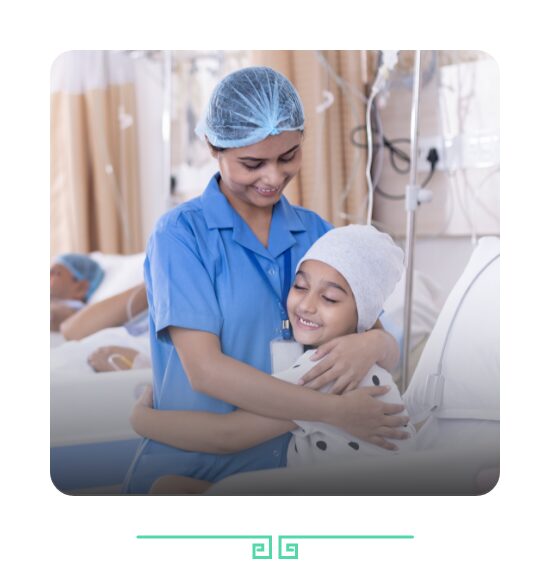
But for millions of workers in India, one medical emergency can undo years of hard work. A sudden diagnosis, an accident, a child’s illness, it brings more than emotional distress. It brings hospital bills, lost wages, delayed treatment, and impossible choices. For many working families, the real crisis begins after the diagnosis.
This Labour Day, appreciation must go beyond gratitude. It must also mean protection.
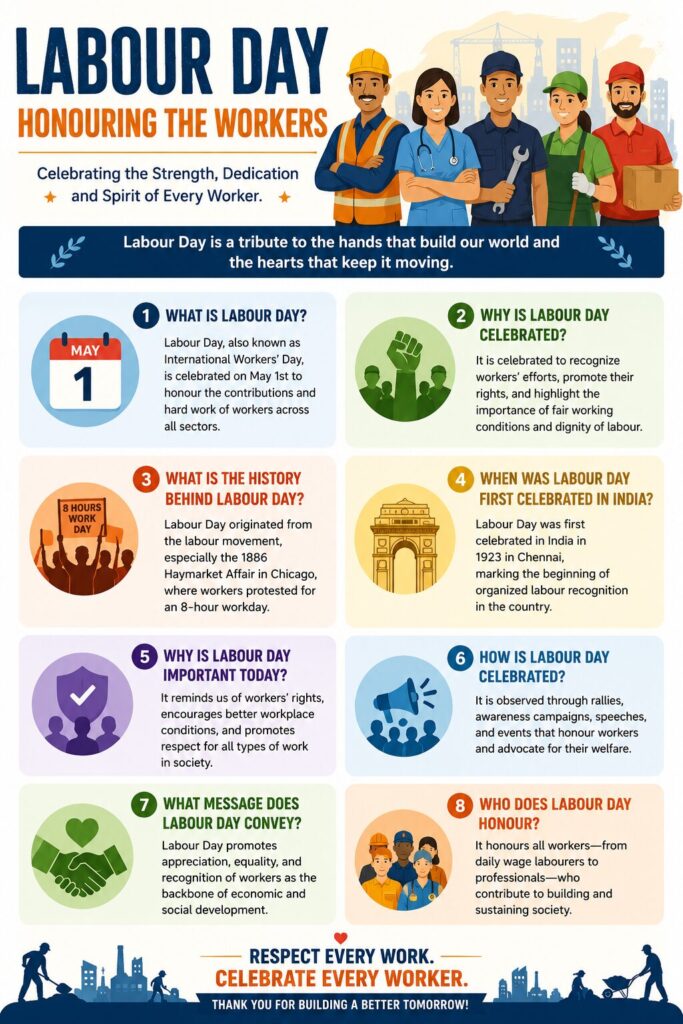
Table of Contents
The Burden No One Accounts For
For workers in informal, contract-based, or daily wage jobs, income is earned one day at a time. When illness strikes, earnings stop. Expenses do not.
A hospital stay means medical bills, yes. But it also means wages lost during treatment, travel to another city for care, medicines bought out of pocket, food and stay for caregivers, and debt that lingers long after discharge. For a salaried household, this is disruptive. For a working-class family, it can be devastating.
Workers are not asking for luxury. They are asking for timely treatment without financial ruin.
Many working families face the same structural gaps, limited or no health insurance, irregular income, little emergency savings, and medical costs that rise faster than wages. Government schemes have helped, but gaps remain, especially for diagnostics, long-term treatment, and conditions that need specialised care. When the gap between what is needed and what is affordable becomes too wide, families sell tools, borrow money, pause treatment, or delay surgery.
That is where crowdfunding steps in. Not as charity. As collective support in a moment of need.
Real Stories of Working Families Who Found Support
Behind every fundraiser is not just a medical need, but a worker trying to hold life together.
Nirmal — A Construction Worker Who Wanted to Walk Again
Nirmal was 20 years old, working for daily wages on a construction site, when a painful leg condition slowly took away his mobility. He was diagnosed with bone cancer. Unable to walk, unable to afford even basic medicines, for a daily wage worker, immobility is not just physical pain. It is lost income, dependence, and helplessness. His treatment required nearly ₹8 lakh, far beyond what his family could arrange. Through crowdfunding, people came together to help Nirmal access the care he needed. He got the chance to walk again.
Ramanjaneyulu — A Shepherd Fighting for His Son
Ramanjaneyulu earned a modest daily wage as a shepherd when his four-year-old son Mohith was diagnosed with Severe Aplastic Anemia. The treatment was long and exhausting, more than 30 hospital visits, specialist care, and travel over long distances. For a father already living on limited means, this was not just a medical battle. It was a financial and emotional one. Crowdfunding covered treatment expenses, hospital bills, and the hidden costs that often break working families first. It gave Mohith a fighting chance and Ramanjaneyulu the support to keep showing up for his son.
Santosh — A Minimum-Wage Family’s Fight to Help Their Daughter Walk Again
What began as an insect bite became a broken femur, a damaged hip joint, and a severe medical emergency. Santosh needed urgent surgery and prolonged care. Her family, sustained by minimum-wage work, was suddenly staring at costs they had no way to absorb. They turned to ImpactGuru and raised ₹10.58 lakh for her treatment. Today, Santosh can walk again. For families living paycheque to paycheque, recovery is often not only about medicine. It is about whether they can afford the chance to heal.
What Medical Crowdfunding Actually Does
Medical crowdfunding Platforms allows families to raise money for treatment by sharing their need with a wider community, friends, neighbours, co-workers, employers, and strangers who choose to help.
It helps families start treatment sooner, avoid high-interest debt, and focus on recovery instead of only survival. For workers without insurance, assets, or financial backup, it becomes the bridge between diagnosis and treatment. It is not about replacing healthcare systems. It is about helping families survive while navigating them.
And practically speaking, campaigns can be started quickly, funds can be withdrawn before the full goal is reached, and a dedicated manager guides families through every step, even those with limited digital access.
Why This Matters
A worker should not have to choose between treatment and debt. A parent should not have to sell their livelihood to keep a child alive. A family should not have to delay care because payday has not come yet.
Appreciating workers means acknowledging this honestly. Healthcare access is not just a medical issue for workers. It is a livelihood issue. A wage issue. A dignity issue.
And it means making sure workers know that when a crisis comes, support does not have to stop at sympathy. It can become an action.
This Labour Day
India’s workers hold up far more than industries. They hold up families, communities, and the everyday rhythm of life. This May Day, let us honour them with the seriousness they deserve with gratitude for their labour, with concern for their well-being, and with support that does not disappear when illness arrives.

How to Raise Donations Online to Support Workers on Labour Day
Labour Day is a powerful reminder of the struggles and contributions of workers who build our society and economy. It highlights the importance of fair wages, safe working conditions, and dignity for every worker.
In this spirit, individuals and organizations can raise donations online to support daily wage earners, construction workers, and underprivileged labourers. By choosing to raise donations online, you can help provide financial aid, healthcare support, and basic necessities to workers who often face economic hardships. Digital platforms make it easier than ever to raise donations online and reach a wider audience for meaningful impact.
FAQs
Labour Day, also known as International Workers’ Day, is celebrated on May 1st to honour the contributions and hard work of workers across all sectors.
It is celebrated to recognize workers’ efforts, promote their rights, and highlight the importance of fair working conditions and dignity of labour.
Labour Day originated from the labour movement, especially the 1886 Haymarket Affair in Chicago, where workers protested for an 8-hour workday.
Labour Day was first celebrated in India in 1923 in Chennai, marking the beginning of organized labour recognition in the country.
It reminds us of workers’ rights, encourages better workplace conditions, and promotes respect for all types of work in society.
It is observed through rallies, awareness campaigns, speeches, and events that honour workers and advocate for their welfare.