

Table of Contents
- Quick Summary
- Introduction
- What Is Iron Deficiency and Iron Deficiency Anemia?
- Why Iron Deficiency Is So Common in India
- Scale and High-Risk Groups in India
- Why is India Iron Deficient?
- What Iron Deficiency Symptoms You Shouldn’t Ignore?
- How Is Iron Deficiency Diagnosed?
- What are Iron Deficiency Treatment Options in India?
- Conclusion
- FAQS
Quick Summary
- Iron deficiency in India affects millions across age groups and is one of the leading causes of anemia, especially among women and children.
- Early symptoms like fatigue, pale skin, and breathlessness are often ignored but can signal declining iron levels.
- Simple blood tests, such as hemoglobin and serum ferritin, help diagnose iron deficiency before it becomes severe.
- A balanced diet with iron-rich foods, vitamin C, and timely supplementation can prevent and treat most cases.
- Severe iron deficiency anemia may require medical treatment, and timely support ensures better health outcomes.
Introduction
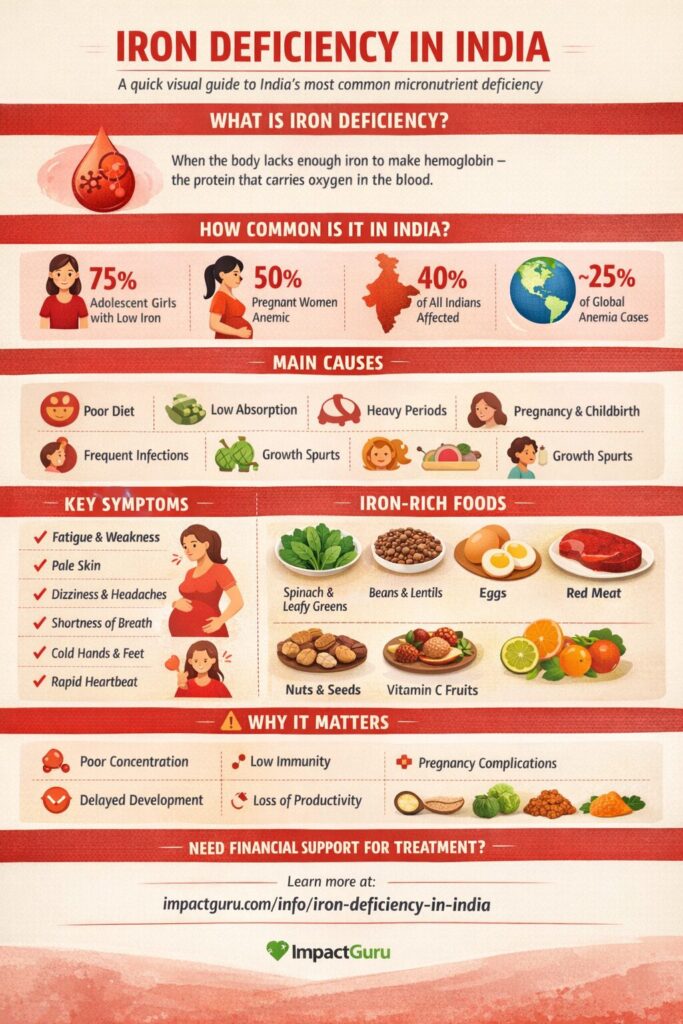
While India’s economy continues its upward climb, a silent health crisis affects everyday life across the country. Iron deficiency in India remains one of the most common nutritional disorders, impacting women, children, and working adults alike. National health data shows that nearly 67% of children under five and over 57% of women of reproductive age suffer from anemia, with iron deficiency anemia being the leading cause.
This condition goes far beyond occasional tiredness. Iron deficiency symptoms can impair learning in children, reduce productivity in adults, and increase pregnancy-related risks in women, costing India an estimated 1–1.3% of its GDP annually. In this blog, we explain the key iron deficiency causes, early warning signs, diagnosis methods, and effective iron deficiency treatment and prevention strategies to help safeguard your family’s health.
What Is Iron Deficiency and Iron Deficiency Anemia?
Iron deficiency occurs when the body lacks sufficient iron to produce healthy red blood cells. Iron plays a vital role in making hemoglobin, the protein that carries oxygen from the lungs to the rest of the body. When iron levels drop, oxygen supply to tissues decreases, leading to early symptoms like tiredness, weakness, and poor concentration.
If iron deficiency is not corrected promptly, it can progress to iron deficiency anemia. This happens when iron stores are so low that the body can no longer produce enough hemoglobin. As a result, symptoms become more severe and may include shortness of breath, dizziness, pale skin, and reduced physical endurance. Iron deficiency anemia requires proper medical diagnosis and treatment to prevent long-term health complications.
Quick Answer: Iron deficiency is a condition caused by low iron levels in the body, while iron deficiency anemia is a more advanced stage where low iron reduces hemoglobin production. Both conditions affect oxygen delivery in the body, leading to fatigue, weakness, and poor overall health.
Why Iron Deficiency Is So Common in India
Iron deficiency in India is driven by a combination of dietary patterns, biological needs, and socio-environmental factors. Together, these create persistent barriers to adequate iron intake and absorption across large sections of the population.
1. The Dietary “Double-Bind.”
The Indian diet often appears iron-sufficient on paper, yet the body struggles to absorb and utilize that iron effectively.
Low Bioavailability:
Predominantly plant-based diets rely on non-heme iron, which has a low absorption rate of around 1–5%. In comparison, heme iron from animal sources is absorbed much more efficiently, at rates of up to 25%.
The ‘Chai’ Factor:
Tea and coffee, commonly consumed with or after meals, contain tannins and polyphenols that significantly inhibit iron absorption. Drinking tea with meals can reduce iron absorption by 60–70%. Health experts recommend waiting at least one hour after meals before consuming tea or coffee.
Phytates in Staple Foods:
Whole grains, legumes, and seeds contain phytates that bind to iron and block absorption. Simple preparation methods such as soaking, fermenting, or germinating pulses can help reduce this effect and improve iron availability.
High Biological Demand
Certain life stages create a heightened need for iron, making deficiency more likely in the Indian population.
- Women’s Health: Menstrual blood loss and closely spaced pregnancies significantly deplete iron stores. As a result, a large proportion of Indian women develop iron deficiency anemia during their reproductive years.
- Growth and Development: Children under five and adolescents experience rapid growth, increasing their iron requirements. Traditional diets often fail to meet these needs, leading to early iron deficiency and its long-term consequences.
Socio-Environmental Challenges
Environmental and cultural factors further worsen iron deficiency in India.
- Parasitic Infections: In rural and underserved urban areas, hookworm infections cause chronic blood loss and are closely linked to iron deficiency anemia.
- Poor Sanitation and Hygiene: Limited access to sanitation and footwear increases exposure to parasites, sustaining the cycle of iron loss.
- The ‘Women Eat Last’ Norm: In many households, women eat after other family members and consume smaller portions, often missing out on iron-rich and nutrient-dense foods.
Quick Answer: Iron deficiency in India is common due to low iron absorption from plant-based diets, high iron requirements during growth and pregnancy, and socio-environmental factors such as poor sanitation and parasitic infections. Cultural food practices and tea consumption with meals further reduce iron absorption.

Scale and High-Risk Groups in India
- Children at Risk: Over 67% of children aged 6–59 months are anemic, up from 58.6% in the previous NFHS survey.
- Gender Gap: Nearly 57% of women aged 15–49 years are affected, compared to around 25% of men, highlighting a significant gender disparity.
- Rural–Urban Divide: While rural areas report higher prevalence due to food access challenges, urban India is witnessing rising cases linked to dietary shifts and lifestyle changes.
Who Is Most at Risk?
Identifying high-risk groups helps in early screening and prevention of iron deficiency and iron deficiency anemia.
- Pregnant and Lactating Women: Increased blood volume and iron demands during pregnancy rapidly deplete iron stores if not supplemented adequately.
- Infants and Young Children: Rapid growth between 6 months and 2 years makes this group highly vulnerable, especially when complementary foods lack sufficient iron.
- Adolescent Girls: Growth spurts combined with the onset of menstruation significantly increase iron requirements.
- Vegetarians and Vegans: Heavy reliance on plant-based diets increases the risk of iron deficiency due to lower absorption of non-heme iron.
Why is India Iron Deficient?
Understanding iron deficiency in India means looking beyond food quantity and focusing on dietary habits, absorption barriers, and biological demands. In most cases, the issue is not a lack of food, but how iron is consumed, absorbed, and lost.
1. Dietary Barriers That Block Iron Absorption
- The Tea and Coffee Habit: Tea and coffee are staples in Indian households, but tannins and polyphenols present in them significantly reduce iron absorption. Drinking tea with or immediately after meals can lower iron absorption by up to 60%, making this habit a major contributor to iron deficiency.
- Phytates in Staple Foods: Whole grains, legumes, and pulses, common in Indian diets, contain phytates. These compounds bind to iron in the gut and prevent it from being absorbed. While nutritious, improper preparation of these foods can reduce the body’s ability to use dietary iron.
- Vegetarian Diet Patterns: A large proportion of Indians rely on plant-based diets, which provide non-heme iron. This form of iron is absorbed less efficiently, around 5%, compared to up to 25% absorption from heme iron found in animal-based foods.
2. Non-Dietary Causes of Iron Deficiency
- Poor Gut Health and Infections: Parasitic infections such as hookworms, especially in areas with poor sanitation, cause chronic blood loss and significantly increase the risk of iron deficiency anemia.
- Biological Milestones: Life stages such as menstruation, pregnancy, and lactation increase iron requirements. Without adequate intake or supplementation, iron stores are quickly depleted, particularly among women.
What Iron Deficiency Symptoms You Shouldn’t Ignore?
Iron deficiency often develops slowly, which is why many people dismiss early symptoms. Recognizing these signs early can prevent progression to iron deficiency anemia.
Common Iron Deficiency Symptoms
- Persistent Fatigue: Feeling constantly tired, even after adequate sleep, is one of the earliest signs. This happens because low iron reduces oxygen delivery to muscles and the brain.
- Pale Skin and Nails: Paleness in the inner eyelids, tongue, nail beds, or face is a classic indicator of low hemoglobin levels.
- Shortness of Breath: Getting breathless after minimal physical activity, such as climbing stairs, may signal reduced oxygen-carrying capacity in the blood.
- Cold Hands and Feet: Poor circulation caused by low hemoglobin can make extremities feel cold, even in warm conditions.
Unusual Symptoms: Pica
In more severe cases, iron deficiency can cause pica, a craving for non-food items such as clay, chalk, ice, or raw rice. In India, this symptom is commonly observed among children and pregnant women and signals a significant nutritional imbalance.
Cognitive and Developmental Impact
In children, iron deficiency symptoms go beyond physical health. Low iron levels are linked to irritability, poor concentration, delayed cognitive development, and reduced academic performance, effects that can persist into adulthood if not addressed early.
Quick Answer: Poor iron absorption from plant-based diets, tea and coffee consumption with meals, parasitic infections, and increased iron needs during growth and pregnancy. Common iron deficiency symptoms include fatigue, pale skin, breathlessness, cold hands and feet, and poor concentration in children.
How Is Iron Deficiency Diagnosed?
Iron deficiency in India cannot be diagnosed based on symptoms alone. Fatigue, weakness, and dizziness can overlap with many other conditions. A clear diagnosis requires specific blood tests that assess iron levels and iron stores in the body.
Within the spectrum of vitamin deficiencies in India, iron deficiency commonly overlaps with vitamin B12, vitamin D, and vitamin C deficiencies, increasing overall health risks
Medical Tests Used to Diagnose Iron Deficiency
Doctors usually recommend a Complete Blood Count (CBC) along with a full iron profile. Here’s what the key tests mean:
- Hemoglobin (Hb) Test: This test measures hemoglobin, the oxygen-carrying protein in red blood cells. According to WHO guidelines, hemoglobin levels below 12.0 g/dL in adult women and 13.0 g/dL in men indicate anemia.
- Serum Ferritin: Serum ferritin reflects the body’s iron stores and is the most important test for early detection. It is possible to have normal hemoglobin but low ferritin, meaning iron deficiency is present even before anemia develops.
- Total Iron-Binding Capacity (TIBC): TIBC measures how much iron your blood can carry. In iron deficiency, TIBC is usually high because the body increases its capacity to bind iron when iron levels are low.
- Peripheral Blood Smear: In this test, a pathologist examines red blood cells under a microscope. In iron deficiency anemia, cells typically appear microcytic (smaller than normal) and hypochromic (paler than normal).
How Doctors Diagnose Iron Deficiency Anemia?
Diagnosing iron deficiency anemia involves more than reviewing individual test values—it requires identifying a consistent pattern.
Interpreting Blood Reports
Doctors look for a combination of:
- Low hemoglobin
- Low serum ferritin
- High TIBC
Together, these findings confirm iron deficiency anemia.
Identifying the Underlying Cause
Once iron deficiency anemia is diagnosed, doctors focus on finding the root cause:
- In adolescent girls, menstrual blood loss is often evaluated
- In adult men or older individuals, tests may be done to rule out internal bleeding or piles.
- In young children, dietary intake and parasitic infections are commonly assessed.
Identifying the cause is essential to ensure effective and long-term treatment.
Quick Answer: Doctors diagnose iron deficiency anemia using blood tests such as hemoglobin, serum ferritin, and total iron-binding capacity (TIBC). These tests help assess iron levels, iron stores, and confirm whether anemia is caused by iron deficiency rather than other nutritional or medical conditions.
What are Iron Deficiency Treatment Options in India?
Treating iron deficiency in India requires a step-by-step approach, starting with dietary improvements and progressing to medical treatment based on the severity of deficiency or anemia.
1. Dietary Changes for Iron Deficiency
- Iron-Rich Foods: Including iron-rich foods is the first line of treatment for mild iron deficiency. Heme iron sources such as meat, poultry, eggs, and fish are absorbed quickly by the body. For vegetarians, commonly available Indian foods like ragi (finger millet), spinach (palak), beetroot, lentils, and chickpeas provide valuable non-heme iron.
- Role of Vitamin C: Plant-based iron requires support for better absorption. Adding vitamin C-rich foods such as lemon juice, amla, tomatoes, or oranges to meals can significantly increase iron absorption. Avoid tea or coffee one hour before and after meals, as they inhibit iron uptake.
Iron Supplements for Treating Iron Deficiency
- Oral Iron Supplements: Oral iron supplements are the most commonly prescribed treatment for iron deficiency anemia. Doctors often prescribe formulations such as ferrous sulfate or ferrous fumarate.
- Side Effects and Compliance: Some people experience side effects like constipation, nausea, or dark stools. To improve tolerance, many doctors now recommend newer formulations such as liposomal iron, which are gentler on the stomach and improve long-term compliance.
Medical Treatments for Severe Iron Deficiency
- Intravenous (IV) Iron Therapy
IV iron therapy is used when oral supplements are ineffective, poorly tolerated, or when rapid correction is required, such as in late-stage pregnancy or severe anemia. - Blood Transfusion
In cases where hemoglobin levels drop below 7 g/dL, hospital-based blood transfusions may be necessary to prevent complications such as heart strain or organ damage.
Quick Answer: Iron deficiency treatment includes dietary changes, iron supplements, and intravenous iron therapy in severe cases. Doctors choose the best treatment based on iron levels, hemoglobin values, age, and underlying health conditions to safely restore iron stores and prevent complications.
Foods to Prevent Iron Deficiency Naturally
Preventing iron deficiency is often easier than treating it. Including iron-rich foods in daily meals helps maintain healthy iron levels and reduces the risk of anemia.
- Vegetarian Sources
Ragi, bajra, lentils, chickpeas (chana), green leafy vegetables such as sarson and bathua, and dried fruits like dates and raisins are excellent plant-based sources of iron. - Non-Vegetarian Sources: Foods such as liver, red meat, eggs, and seafood provide heme iron, which is the most bioavailable form and is absorbed more efficiently by the body.

Conclusion
Iron deficiency in India is a largely preventable health crisis. While national data highlights the scale of the problem, early diagnosis, balanced diets, and timely medical treatment can significantly reduce its impact. However, for families facing severe iron deficiency anemia, pregnancy-related complications, or repeated hospital visits, treatment costs can become overwhelming.
In such cases, medical crowdfunding in India offers a lifeline. Platforms like ImpactGuru, a verified online crowdfunding platform, help patients and families fundraise online, access timely treatment, and raise donations online without financial distress—ensuring that no one delays care due to lack of funds.
FAQS
Iron deficiency in India is mainly caused by low dietary iron intake, poor absorption, heavy menstrual bleeding, repeated infections, and pregnancy-related demand.
Common symptoms include fatigue, weakness, pale skin, dizziness, shortness of breath, and cold hands or feet.
Iron-rich foods include leafy greens, lentils, beans, eggs, nuts, seeds, and vitamin-C foods like citrus fruits to improve iron absorption.
Treatment typically includes iron supplements, dietary changes, vitamin C support, deworming (if needed), and medical monitoring by a healthcare provider.
Yes — untreated iron deficiency can lead to weakened immunity, developmental delays in children, pregnancy complications, and reduced work productivity.