

Table of Contents
- Quick Summary
- Introduction
- What Is Acne?
- How Common Is Acne?
- What Causes Acne?
- Signs And Symptoms Of Acne
- Different Types Of Acne
- Types Of Acne Lesions
- How Is Acne Diagnosed?
- Acne Treatment Options
- Can Acne Be Completely Cured?
- Daily Skincare Routine For Acne-Prone Skin
- Foods That May Help Or Worsen Acne
- How To Prevent Acne
- Complications Of Untreated Acne
- When Should You See A Dermatologist?
- Living With Acne: The Emotional Impact
- Can Acne Treatment Become Expensive?
- How ImpactGuru Helps Patients Raise Funds For Skin Disease Treatment
- Conclusion
- Frequently Asked Questions
Quick Summary
- Acne is one of the most common skin conditions, affecting millions of people worldwide. While it is often associated with teenagers, acne can develop at any age and impact both physical appearance and emotional well-being, raising questions about its treatment.
- From occasional pimples to painful cystic acne, the condition varies in severity and can leave lasting scars if not treated appropriately. Hormonal changes, excess oil production, clogged pores, bacteria, genetics, and certain lifestyle factors all play a role in its development.
- This comprehensive guide explains everything you need to know about acne, from its causes, symptoms, and different types to diagnosis, treatment options, prevention, and skincare tips.
- Whether you’re dealing with mild breakouts or persistent acne, understanding the condition is the first step toward managing it effectively. You’ll also learn when it’s time to consult a dermatologist and how timely treatment can help prevent complications such as acne scars and skin infections.
Introduction
Acne is much more than an occasional pimple. It is a chronic inflammatory skin disease that affects the hair follicles and oil-producing glands beneath the skin. Although acne is most common during adolescence, it can also affect adults in their 20s, 30s, 40s, and even later in life. For many people, acne is not just a cosmetic concern, it can cause physical discomfort, permanent scarring, and emotional distress that affects confidence and quality of life.
The condition develops when pores become blocked with excess oil (sebum), dead skin cells, and bacteria. This blockage can lead to whiteheads, blackheads, pimples, nodules, or painful cysts. While acne most commonly appears on the face, it can also affect the chest, shoulders, upper back, and neck because these areas contain a higher concentration of oil glands.
Despite being one of the most common skin conditions, acne is often misunderstood. Many myths, such as poor hygiene being the primary cause or acne affecting only teenagers, continue to circulate. In reality, acne is influenced by a combination of biological, hormonal, genetic, and environmental factors.
The good news is that acne is treatable. Advances in dermatology have made it possible to manage mild to severe acne through medications, skincare routines, lifestyle changes, and medical procedures. Early diagnosis and proper treatment can significantly reduce the risk of complications, including permanent acne scars.
In this guide, we’ll explore what causes acne, the different types of acne, available treatment options, preventive measures, and practical skincare advice to help you achieve healthier skin.
What Is Acne?
Acne is a chronic inflammatory skin disease that occurs when hair follicles become clogged with oil, dead skin cells, and bacteria. The condition usually develops in areas of the body where sebaceous (oil) glands are most active, including the face, forehead, chest, upper back, and shoulders.
Healthy skin naturally produces sebum, an oily substance that keeps the skin moisturised and protected. However, when the body produces excess sebum, it mixes with dead skin cells and blocks the pores. These blocked pores create an ideal environment for the growth of Cutibacterium acnes (formerly known as Propionibacterium acnes), leading to inflammation and the formation of acne lesions.
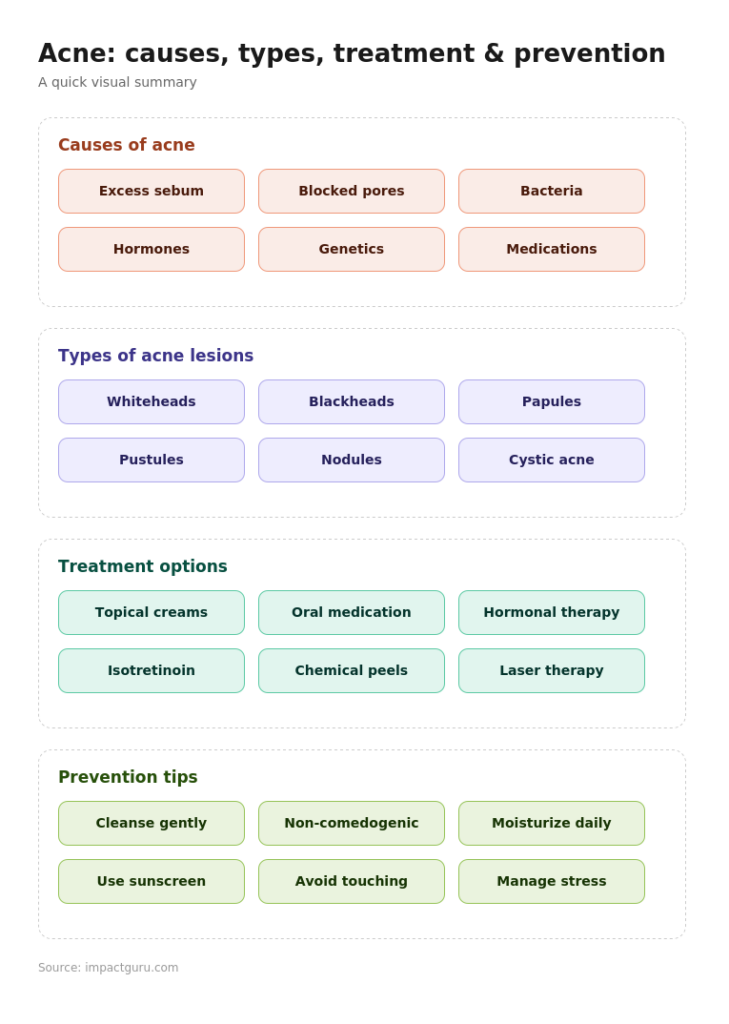
Acne can present in different forms, including:
- Whiteheads
- Blackheads
- Papules
- Pustules
- Nodules
- Cysts
The severity of acne varies from person to person. Some people experience occasional mild breakouts, while others develop severe inflammatory acne that requires long-term medical treatment.
Also Read : Vitiligo vs Other Skin Conditions: Why Is My Skin Turning White?
How Common Is Acne?
Acne is one of the most prevalent skin diseases worldwide. According to dermatological studies, it affects nearly 85% of people between the ages of 12 and 24 at some point in their lives. However, it is not limited to adolescence.
Adult acne is becoming increasingly common, especially among women. Hormonal fluctuations related to menstruation, pregnancy, menopause, or conditions such as polycystic ovary syndrome (PCOS) can trigger acne well into adulthood.
Acne can affect people of all skin types, ethnicities, and genders. While some individuals experience only temporary breakouts, others may struggle with persistent or recurring acne for several years.
Beyond its physical symptoms, acne can significantly affect mental health. People with moderate to severe acne may experience reduced self-esteem, social anxiety, stress, and even depression. This highlights the importance of recognising acne as a genuine medical condition rather than dismissing it as a normal part of growing up.
What Causes Acne?
Acne develops due to a combination of factors rather than a single cause. Understanding these underlying causes helps explain why treatment often requires a personalised approach.
Excess Sebum Production
Sebaceous glands naturally produce oil to keep the skin healthy. However, hormonal changes can stimulate these glands to produce more sebum than necessary. Excess oil increases the likelihood of clogged pores and acne formation.
Blocked Hair Follicles
Dead skin cells are continuously shed from the surface of the skin. When these cells mix with excess sebum, they can block hair follicles, creating comedones such as whiteheads and blackheads.
Bacterial Growth
The skin naturally contains bacteria known as Cutibacterium acnes. When pores become blocked, these bacteria multiply rapidly, triggering inflammation that leads to swollen, red, and painful pimples.
Hormonal Changes
Hormonal fluctuations are among the most common triggers of acne. Increased androgen levels during puberty enlarge sebaceous glands and stimulate oil production.
Hormonal acne may also occur due to:
- Menstrual cycles
- Pregnancy
- Menopause
- PCOS
- Certain hormonal medications
Genetics
If one or both parents had acne, there is a higher likelihood of developing the condition. Genetics influence factors such as oil production, skin sensitivity, and inflammatory responses.
Certain Medications
Some medications may contribute to acne or acne-like eruptions. These include certain corticosteroids, testosterone therapy, lithium, and some anti-epileptic medicines. If you notice breakouts after starting a new medication, consult your healthcare provider before making any changes.
Risk Factors For Acne
Although anyone can develop acne, certain factors increase the risk.
Common risk factors include:
- Puberty
- Family history of acne
- Hormonal disorders such as PCOS
- Oily skin
- High humidity and sweating
- Friction from helmets, masks, or tight clothing
- Use of oily or comedogenic skincare products
- Chronic stress
- Certain medications
These factors do not necessarily cause acne on their own, but they can contribute to its development or make existing acne worse.
Signs And Symptoms Of Acne
Acne symptoms vary depending on the severity of the condition. Some individuals experience only a few blackheads or whiteheads, while others develop painful inflammatory lesions.
Common signs and symptoms include:
- Whiteheads (closed clogged pores)
- Blackheads (open clogged pores)
- Small red bumps (papules)
- Pimples containing pus (pustules)
- Painful lumps beneath the skin (nodules)
- Large pus-filled cysts
- Oily skin
- Redness and inflammation
- Tenderness around affected areas
- Acne scars or dark spots after healing
Acne most commonly appears on the face, but it can also affect the neck, shoulders, chest, and upper back.
Recognising symptoms early and seeking appropriate treatment can help reduce inflammation, minimise scarring, and improve long-term skin health.
Different Types Of Acne
Acne is not the same for everyone. Some people experience a few occasional pimples, while others develop painful cysts that require long-term medical treatment. Understanding the type of acne you have is important because each type responds differently to treatment.
Dermatologists generally classify acne into two main categories: non-inflammatory acne and inflammatory acne.
Non-Inflammatory Acne
This type of acne develops when pores become clogged with excess oil and dead skin cells but without significant inflammation.
Whiteheads
Whiteheads, also known as closed comedones, occur when clogged pores remain closed beneath the skin’s surface. They appear as small, white or skin-coloured bumps and are less likely to become infected if left untouched.
Blackheads
Blackheads, or open comedones, form when clogged pores remain open. The dark colour is not caused by dirt but by the oxidation of oil and dead skin cells when exposed to air.
Inflammatory Acne
Inflammatory acne develops when blocked pores become infected with bacteria, leading to redness, swelling, and pain.
Papules
Papules are small, red, tender bumps without visible pus. They indicate inflammation beneath the skin.
Pustules
Pustules are commonly recognised as pimples. They contain pus at the centre and are usually surrounded by red, inflamed skin.
Nodules
Nodules are large, hard, painful lumps that develop deep beneath the skin. Unlike ordinary pimples, they rarely heal without medical treatment and may leave permanent scars.
Cystic Acne
Cystic acne is the most severe form of acne. It consists of large, painful, pus-filled cysts that develop deep under the skin. This type carries the highest risk of permanent scarring and should always be evaluated by a dermatologist.
Types Of Acne Lesions
Acne lesions refer to the visible changes that appear on the skin due to blocked or inflamed pores.
The most common acne lesions include:
- Closed comedones (whiteheads)
- Open comedones (blackheads)
- Papules
- Pustules
- Nodules
- Cysts
Some individuals may experience only one type of lesion, while others develop several simultaneously. Dermatologists often assess the number and type of lesions to determine the severity of acne and recommend appropriate treatment.
Read More : Vitiligo Stages: How the Condition Progresses Over Time
How Is Acne Diagnosed?
In most cases, acne can be diagnosed during a clinical examination. A dermatologist carefully evaluates the skin, the type of lesions present, their distribution, and the severity of inflammation.
During the consultation, your doctor may ask questions about:
- When the acne started
- Previous treatments you’ve tried
- Current skincare routine
- Family history of acne
- Menstrual history (for women)
- Medications or supplements you are taking
- Stress levels and lifestyle habits
Most patients do not require laboratory tests. However, if acne develops suddenly, is unusually severe, or is associated with excessive facial hair, irregular menstrual cycles, or other hormonal symptoms, additional investigations may be recommended to identify underlying conditions such as polycystic ovary syndrome (PCOS) or hormonal imbalances.
Early diagnosis is important because timely treatment can reduce inflammation and lower the risk of permanent acne scars.
Acne Treatment Options
There is no one-size-fits-all treatment for acne. The best approach depends on factors such as the type of acne, its severity, the patient’s age, skin type, and overall health.
Many people require a combination of treatments to achieve the best results.
Topical Treatments
Topical medications are usually the first line of treatment for mild to moderate acne. They are applied directly to the affected skin and help reduce oil production, unclog pores, and control bacterial growth.
Common topical treatments include:
- Benzoyl peroxide
- Topical retinoids
- Salicylic acid
- Azelaic acid
- Topical antibiotics (prescribed by a doctor)
It may take several weeks before noticeable improvement occurs, so consistency is essential.
Oral Medications
Moderate to severe acne often requires oral medication, especially when topical treatments alone are not effective.
Depending on the condition, a dermatologist may prescribe:
- Oral antibiotics
- Hormonal medications for women
- Oral retinoids such as isotretinoin
- Other prescription medicines based on individual needs
These medications should always be taken under medical supervision, as they may have side effects and require regular monitoring.
Hormonal Therapy
Hormonal therapy can be particularly beneficial for women whose acne is linked to hormonal fluctuations.
Treatment may include:
- Certain oral contraceptive pills
- Anti-androgen medications
These medicines work by reducing the effect of hormones that stimulate excess oil production. They are prescribed only after a thorough medical evaluation.
Isotretinoin
Isotretinoin is one of the most effective treatments for severe or treatment-resistant acne. It works by significantly reducing oil production, preventing clogged pores, and decreasing inflammation.
Because isotretinoin can have serious side effects, including risks during pregnancy, it should only be taken under the close supervision of a qualified dermatologist. Regular follow-up appointments and laboratory tests may be required throughout treatment.
Chemical Peels
Chemical peels use specially formulated acids to gently exfoliate the skin and improve clogged pores. They may help manage mild acne and reduce the appearance of acne marks after active breakouts have healed.
Multiple sessions are often required for the best results.
Laser And Light Therapy
Laser and light-based treatments are increasingly used alongside conventional acne therapy. These procedures target acne-causing bacteria, reduce inflammation, and may improve the appearance of acne scars.
Although many patients notice improvement, results vary depending on the severity of acne and the treatment method used.
Corticosteroid Injections
For large, painful acne nodules or cysts, dermatologists may recommend corticosteroid injections. These injections help reduce inflammation quickly and may lower the risk of permanent scarring.
They are generally reserved for severe inflammatory lesions rather than routine acne treatment.
Can Acne Be Completely Cured?
Acne is a manageable condition, but there is no universal permanent cure. Many people experience significant improvement with appropriate treatment, while others may require ongoing maintenance to prevent future breakouts.
The good news is that modern dermatology offers numerous effective treatment options. With the right combination of medication, skincare, and lifestyle modifications, most individuals can successfully control acne and maintain healthier skin.
The key is to avoid self-medicating or trying multiple products simultaneously, as this may irritate the skin and worsen breakouts. Working with a dermatologist ensures that treatment is tailored to your skin’s specific needs.
Home Remedies For Acne: Do They Really Work?
Many people try home remedies before seeking professional treatment. While some natural ingredients may help soothe mild acne or reduce excess oil, they are not a substitute for medically proven treatments, especially for moderate or severe acne.
Here are some commonly used home remedies and what current evidence suggests:
Tea Tree Oil
Tea tree oil has natural antibacterial and anti-inflammatory properties that may help reduce mild acne. However, it should always be diluted before applying to the skin, as concentrated tea tree oil can cause irritation or allergic reactions.
Aloe Vera
Aloe vera is known for its soothing and anti-inflammatory properties. It may help calm irritated skin and support healing when used alongside prescribed acne treatments.
Honey
Raw honey has antimicrobial properties and may help soothe inflamed skin. While it can provide temporary relief, it is unlikely to clear acne on its own.
Green Tea
Green tea contains antioxidants that may reduce inflammation and excess oil production. Some topical green tea extracts have shown promising results in managing mild acne.
Ice Therapy
Applying ice wrapped in a clean cloth for a few minutes may temporarily reduce swelling, redness, and discomfort associated with inflamed pimples. However, it does not treat the underlying cause of acne.
It’s important to remember that natural remedies are not always safe for everyone. Ingredients such as lemon juice, toothpaste, baking soda, or undiluted essential oils can irritate the skin and may worsen acne. Before trying any home remedy, consult a dermatologist, especially if your acne is persistent or severe.
Daily Skincare Routine For Acne-Prone Skin
A consistent skincare routine can play an important role in managing acne and preventing future breakouts. The goal is to keep the skin clean without stripping away its natural moisture.
A simple acne-friendly routine includes:
Cleanse Gently
Wash your face twice a day using a mild, non-comedogenic cleanser. Avoid scrubbing aggressively, as excessive friction can irritate the skin and worsen inflammation.
Use Non-Comedogenic Products
Choose skincare and cosmetic products labelled as non-comedogenic, meaning they are less likely to clog pores.
Moisturise Daily
Even oily skin needs moisture. Using an oil-free, lightweight moisturiser helps maintain the skin barrier and prevents excessive dryness caused by acne treatments.
Apply Sunscreen
Many acne medications make the skin more sensitive to sunlight. Use a broad-spectrum sunscreen with SPF 30 or higher every day to protect your skin and reduce the risk of post-inflammatory pigmentation.
Avoid Touching Your Face
Frequently touching your face can transfer dirt, oil, and bacteria to the skin. Picking or squeezing pimples increases the risk of infection and permanent scarring.
Consistency is far more important than using multiple expensive products. Following a simple routine recommended by your dermatologist often delivers better long-term results.
Foods That May Help Or Worsen Acne
The relationship between diet and acne has been debated for years. While food is not the sole cause of acne, emerging research suggests that certain dietary patterns may influence breakouts in some individuals.
Foods That May Support Healthy Skin
A balanced diet rich in nutrients supports overall skin health.
Consider including:
- Fresh fruits and vegetables
- Whole grains
- Lean proteins
- Omega-3-rich foods such as salmon and walnuts
- Nuts and seeds
- Plenty of water
These foods provide vitamins, minerals, antioxidants, and healthy fats that help maintain healthy skin.
Foods That May Trigger Acne In Some People
Research suggests that some individuals may notice worsening acne after consuming:
- High-glycaemic foods such as white bread, sugary snacks, and sweetened beverages
- Excessive dairy products
- Highly processed foods
- Fast food consumed frequently
However, dietary triggers vary from person to person. Rather than eliminating entire food groups without medical advice, discuss your concerns with a dermatologist or registered dietitian if you suspect certain foods are affecting your skin.
How To Prevent Acne
Although acne cannot always be prevented, adopting healthy skincare habits can significantly reduce the frequency and severity of breakouts.
Here are some practical tips:
- Wash your face gently twice a day.
- Remove makeup before going to bed.
- Use oil-free and non-comedogenic skincare products.
- Wash pillowcases, towels, and makeup brushes regularly.
- Shower after heavy sweating or exercise.
- Avoid picking or squeezing pimples.
- Manage stress through regular exercise, meditation, or adequate sleep.
- Follow your dermatologist’s treatment plan consistently.
Preventing acne often requires patience. Small, consistent lifestyle changes can make a noticeable difference over time.
Complications Of Untreated Acne
Acne is sometimes dismissed as a temporary cosmetic concern, but untreated acne can lead to long-term complications that are more difficult to manage than the acne itself.
Possible complications include:
Permanent Acne Scars
Deep inflammatory acne, particularly nodules and cysts, can damage the skin’s deeper layers and leave lifelong scars.
Dark Spots
After acne heals, many people develop post-inflammatory hyperpigmentation—flat, dark patches that may persist for several months, especially in people with darker skin tones.
Acne isn’t the only skin condition that can leave discoloured patches behind — while acne scars tend to darken the skin, some people notice the opposite happening, with pale or white patches appearing instead. If you’ve spotted any unusual light patches on your skin, our guide on white patches on the skin breaks down the likely causes and when it’s time to see a dermatologist.
Skin Infections
Repeated squeezing or picking of pimples can introduce bacteria into the skin, increasing the risk of secondary infections.
Emotional And Psychological Effects
Persistent acne may affect confidence, self-esteem, and emotional well-being. Some individuals experience anxiety, social withdrawal, or depression because of visible skin changes.
Seeking treatment early can help minimise these complications and improve both physical and emotional health.
Acne Scars And Their Treatment
Even after active acne has cleared, scars may remain. The type of scar depends on the severity of inflammation and the skin’s healing response.
Common types of acne scars include:
- Ice pick scars
- Boxcar scars
- Rolling scars
- Raised (hypertrophic) scars
- Post-inflammatory pigmentation
Several treatments are available depending on the type and severity of scarring.
Your dermatologist may recommend:
- Microneedling
- Laser resurfacing
- Chemical peels
- Dermal fillers
- Subcision
- Radiofrequency microneedling
- Prescription topical treatments
No single procedure works for everyone. Many patients achieve the best results through a personalised treatment plan that combines multiple therapies over several months.
When Should You See A Dermatologist?
While mild acne may improve with over-the-counter products, persistent or severe acne should always be evaluated by a dermatologist.
Seek medical advice if:
- Acne lasts for several months despite treatment.
- You develop painful nodules or cysts.
- Acne is leaving scars or dark spots.
- Breakouts suddenly become severe.
- Acne is affecting your confidence or mental health.
- Over-the-counter treatments are not working.
- You suspect your acne is related to hormonal changes or medication.
Early treatment can prevent permanent scarring, reduce complications, and improve your quality of life. A dermatologist can identify the underlying cause of your acne and recommend a treatment plan tailored to your skin type and medical history.
A new or changing mole, sore, or spot — different from your usual breakouts — is worth getting checked too. Our skin cancer guide covers the warning signs to watch for
Living With Acne: The Emotional Impact
Acne doesn’t just affect the skin, it can also affect emotional well-being. Visible breakouts, especially on the face, may influence how people perceive themselves and interact with others.
Teenagers and adults living with acne may experience:
- Reduced self-confidence
- Social anxiety
- Embarrassment
- Stress
- Low self-esteem
- Depression in severe cases
The emotional impact can be just as significant as the physical symptoms. Some people avoid social events, photographs, or public speaking because they feel self-conscious about their skin.
If acne is affecting your mental health or quality of life, it’s important to speak with a dermatologist or mental health professional. Effective treatment, emotional support, and realistic expectations can make a meaningful difference in overall well-being.
Can Acne Treatment Become Expensive?
Many cases of mild acne can be managed with affordable skincare products and prescription medications. However, moderate to severe acne often requires long-term treatment and regular follow-up with a dermatologist.
Depending on the severity of the condition, treatment costs may include:
- Dermatologist consultations
- Prescription medicines
- Blood tests for certain medications
- Chemical peels
- Laser therapy
- Light therapy
- Microneedling
- Scar revision procedures
- Follow-up appointments
For people with severe acne or extensive acne scarring, these expenses can accumulate over time. In some cases, advanced procedures may not be fully covered by health insurance, making treatment financially challenging.
How ImpactGuru Helps Patients Raise Funds For Skin Disease Treatment
While acne itself is often manageable, certain skin diseases and severe dermatological conditions may require prolonged treatment, specialised procedures, or hospital-based care. Financial concerns should never prevent someone from accessing appropriate medical treatment.
ImpactGuru is one of India’s leading medical crowdfunding platforms, helping patients raise funds for a wide range of healthcare needs. Families facing high treatment costs can create a verified medical fundraiser and seek support from friends, relatives, colleagues, and compassionate donors.
Through ImpactGuru, patients can:
- Create a verified medical fundraising campaign.
- Share their story with a wider community.
- Receive secure online donations.
- Track fundraising progress transparently.
- Access dedicated fundraising guidance throughout their campaign.
Medical crowdfunding can be especially helpful for patients requiring advanced dermatological treatments, surgeries, hospitalisation, or long-term care that places a significant financial burden on the family.
When combined with timely medical care, community support can make treatment more accessible and reduce the stress associated with rising healthcare costs.

Conclusion
Acne is one of the most common skin diseases, but it is also one of the most treatable. Although it can affect people of all ages, timely diagnosis, appropriate treatment, and consistent skincare can significantly reduce breakouts and prevent long-term complications such as acne scars and skin infections.
Understanding the causes, recognising the symptoms early, and following a treatment plan recommended by a dermatologist are key to managing acne effectively. Equally important is maintaining realistic expectations—improvement often takes time, and lasting results require consistency.
For individuals with severe acne or complex skin conditions requiring advanced dermatological care, treatment costs can sometimes become a financial challenge. In such situations, ImpactGuru can help eligible patients raise funds through verified medical crowdfunding campaigns, enabling them to access the care they need without delaying treatment.
Healthy skin is not achieved overnight, but with the right medical guidance, lifestyle habits, and support, most people can successfully manage acne and improve both their skin health and confidence.
Frequently Asked Questions
Mild acne may improve over time, especially after hormonal changes stabilise. However, persistent or severe acne often requires medical treatment to prevent complications such as scarring.
No. Acne cannot spread from one person to another through touch, sharing towels, or close contact.
Stress itself does not directly cause acne, but it can worsen existing breakouts by influencing hormone levels and increasing inflammation.
Staying hydrated supports overall skin health, but drinking water alone does not cure acne. A combination of proper skincare, medical treatment, and healthy lifestyle habits is usually required.
Most acne treatments require patience. It may take 6 to 12 weeks before noticeable improvement occurs. Stopping treatment too early may reduce its effectiveness.
No. Picking or squeezing pimples can worsen inflammation, increase the risk of infection, and lead to permanent scars.