


Table of Contents
Quick Summary
- Sulphur deficiency in humans is a rare but possible nutritional condition that can affect protein synthesis, detoxification, and connective tissue health.
- Common symptoms may include joint pain, brittle hair and nails, skin issues, fatigue, and digestive problems, though these signs often overlap with other nutrient deficiencies.
- Major causes of sulphur deficiency include poor protein intake, malnutrition, digestive disorders that affect nutrient absorption, chronic illness, and restrictive diets.
- Sulphur plays an important role in the body by supporting collagen and keratin production, glutathione synthesis, joint health, and cellular detoxification.
- Maintaining a balanced diet with sulphur-rich foods such as eggs, meat, legumes, cruciferous vegetables, garlic, nuts, seeds, and dairy can help prevent deficiency and support overall metabolic health.
Introduction
We often hear about nutrient deficiencies like Vitamin D, Vitamin B12, and Iron. But there is another mineral that rarely enters the conversation: sulphur. In fact, there is a fair chance that many people have never even heard about sulphur deficiency in humans. Although sulphur is widely known as a component of plants and soil, it also plays an essential role in the human body, contributing to protein structure, detoxification processes, and the health of your skin, hair, and joints.
Interestingly, sulphur is abundant in the body, and its deficiency in humans is a rare condition, which is why it is not commonly discussed in everyday nutrition conversations. Most people obtain sulphur naturally through protein-rich foods like eggs, legumes, and meat.
However, changing dietary habits and declining soil health are beginning to shift this conversation. In the broader landscape of mineral deficiency in India, paying attention to lesser-known nutrients like sulphur may reveal whether the body is truly well nourished or simply managing to get by.
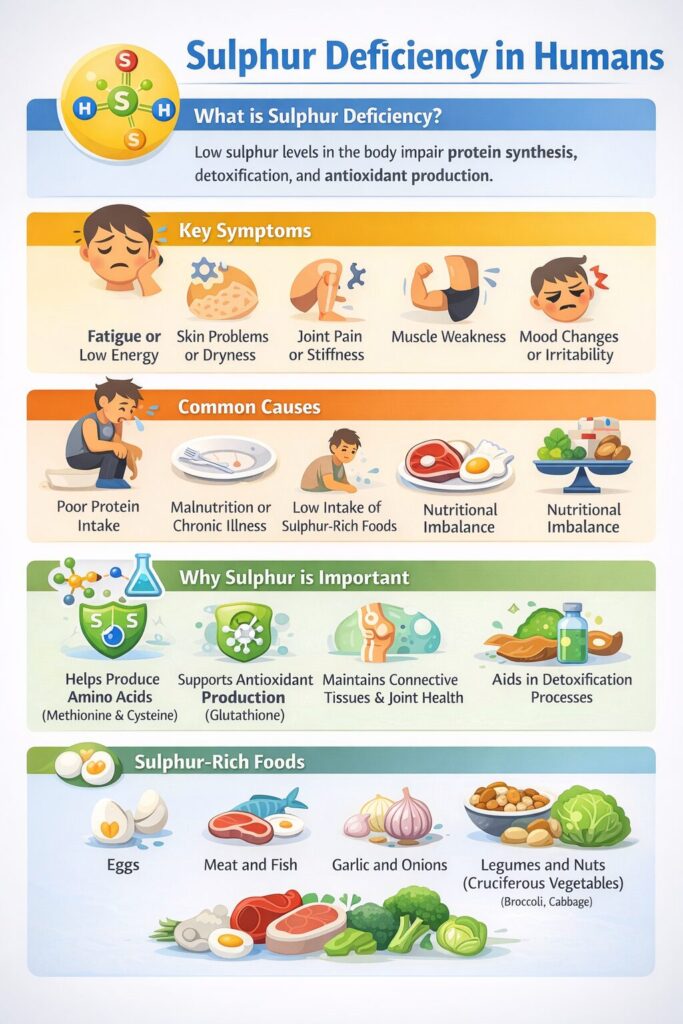
What is Sulphur Deficiency?
Sulphur deficiency in humans occurs when the body does not receive enough sulphur-containing compounds to support its normal biological functions. Sulphur is an essential mineral involved in several metabolic processes and is primarily obtained through dietary proteins that contain sulphur-based amino acids such as methionine and cysteine.
These amino acids are critical for building and repairing tissues, producing enzymes, and supporting several cellular functions.
Why Sulphur Matters for the Human Body
Sulphur is one of the essential minerals present in the human body and plays a role in multiple physiological systems:
- Structural Proteins: Sulphur is a key component of collagen and keratin. These proteins maintain the strength, elasticity, and structure of the skin, hair, nails, and connective tissues.
- Antioxidant Production: Sulphur is required for the synthesis of glutathione, one of the body’s most important antioxidants. Glutathione protects cells from oxidative stress and supports the liver’s natural detoxification processes.
- Metabolic Function: Sulphur contributes to the production of insulin and several enzymes that regulate blood sugar levels and energy metabolism.
- Joint Health: Sulphur helps support the stability and repair of cartilage, which cushions the joints and helps reduce friction and inflammation.
Although sulphur deficiency disease in humans is considered rare, insufficient intake of sulphur-containing nutrients over time may affect tissue repair, antioxidant defence, and overall cellular health.
What Are the Symptoms of Sulphur Deficiency in the Body?
While a severe clinical sulphur deficiency in humans is rare, low intake of sulphur-containing nutrients may contribute to several physical and metabolic changes over time. Because sulphur is a key component of certain amino acids, proteins, and antioxidants, reduced availability can affect connective tissues, cellular repair, and detoxification processes in the body.
Some commonly discussed sulphur deficiency symptoms include:
- Joint Pain and Stiffness: Sulphur supports the formation and maintenance of cartilage and connective tissues. Lower levels may contribute to joint discomfort, inflammation, and reduced mobility.
- Brittle Hair and Nails: Keratin, the protein responsible for hair and nail strength, contains sulphur. Insufficient sulphur intake may lead to hair thinning, reduced shine, and nails that crack or peel easily.
- Skin Issues: Sulphur contributes to collagen production, which supports skin structure and elasticity. Lower levels may be associated with slower wound healing and inflammatory skin conditions.
- Fatigue and Brain Fog: Sulphur is involved in the production of glutathione, an important antioxidant that protects cells from oxidative stress. Reduced antioxidant activity may contribute to fatigue and low energy levels.
- Digestive Issues: Sulphur-containing amino acids help support the gut lining and digestive enzymes. Insufficient intake may affect protein digestion and overall nutrient absorption.
When assessing sulphur deficiency symptoms and treatment in India, individuals may sometimes require medical consultation, diagnostic testing, or treatment to address underlying health conditions linked to nutrient imbalances.
In situations where people face significant medical expenses related to nutritional disorders, detoxification therapies, or chronic illnesses, many families in India turn to online crowdfunding platforms for financial support. Platforms like ImpactGuru, a leading medical crowdfunding platform in India, enable patients to raise donations online and receive community support during challenging healthcare journeys.
What Are the Causes of Sulphur Deficiency in Humans?
Although sulphur deficiency in humans is considered rare, certain dietary and health conditions can reduce the body’s intake or utilisation of sulphur-containing nutrients. Understanding the causes of sulphur deficiency in humans helps identify situations where individuals may be at greater risk.
Some of the most common sulphur deficiency causes include:
- Poor Protein Intake: Sulphur is primarily obtained from dietary proteins that contain sulphur-based amino acids such as methionine and cysteine. Diets that are low in protein-rich foods like eggs, legumes, dairy, fish, and meat may reduce sulphur intake.
- Malnutrition: Individuals experiencing general malnutrition or nutrient deficiencies may consume inadequate amounts of essential amino acids, which can affect the body’s sulphur availability and overall metabolic function.
- Digestive Disorders: Conditions that affect digestion and nutrient absorption, such as inflammatory bowel diseases or chronic gastrointestinal issues, may interfere with the body’s ability to absorb sulphur-containing amino acids from food.
- Chronic Illness: Certain long-term illnesses can alter metabolism and nutrient requirements, potentially increasing the body’s need for sulphur-based compounds involved in detoxification and antioxidant defence.
- Restrictive Diets: Highly restrictive diets that eliminate multiple food groups, especially protein-rich foods, can limit dietary sources of sulphur and other essential nutrients.
While these factors may contribute to reduced sulphur intake, symptoms should always be evaluated by a healthcare professional to determine whether they are linked to sulphur deficiency or other nutritional imbalances.

How Does Sulphur Deficiency Affect Skin, Hair, and Joints?
Sulphur plays a vital role in maintaining the structural and metabolic processes of the human body. When sulphur intake is insufficient over time, it can affect tissues that rely heavily on sulphur-containing proteins. Understanding how sulphur deficiency affects skin, hair, and joints helps explain many of the subtle signs associated with low sulphur availability.
- Impact on Hair and Nails
One of the primary reasons sulphur is important is its role in keratin production. Keratin is the structural protein that provides strength to hair and nails. When sulphur-containing amino acids are limited, hair may become brittle and lose its natural shine, while nails may crack or peel more easily.
- Impact on Skin Health
Sulphur is also essential for the formation of collagen, the protein responsible for maintaining the structure and elasticity of skin. Reduced collagen production due to low sulphur levels may contribute to slower wound healing, decreased skin elasticity, and weakened connective tissue.
- Impact on Joint Function
Joint health is significantly influenced by sulphur compounds, which support the formation and maintenance of cartilage. Cartilage cushions the joints and reduces friction during movement. Low sulphur availability may contribute to inflammation and cartilage breakdown, potentially worsening conditions such as osteoarthritis.
- The Role of Glutathione and Detoxification
In addition to structural functions, sulphur is required for producing glutathione, one of the body’s most important antioxidants. Glutathione neutralises free radicals and supports the liver’s natural detoxification processes. When sulphur intake is low, reduced glutathione levels may increase oxidative stress, affecting overall cellular health.
While a specific sulphur deficiency disease in humans is uncommon, prolonged low intake of sulphur-containing nutrients can contribute to chronic inflammation, impaired detoxification, and weakened connective tissues over time.
Foods Rich in Sulphur to Prevent Deficiency
Because the body cannot produce sulphur on its own, it must be obtained through a balanced diet. Incorporating foods rich in sulphur to prevent deficiency is one of the most effective ways to support the body’s structural and metabolic functions and reduce the risk of sulphur deficiency in humans.
Sulphur in food is mainly present in sulphur-containing amino acids, which are found in protein-rich foods. Some of the best dietary sources include:
- Animal Proteins: Eggs (especially the yolks), poultry, fish, and lean meats are rich sources of sulphur-containing amino acids such as methionine and cysteine.
- Cruciferous Vegetables: Broccoli, cauliflower, cabbage, Brussels sprouts, and kale contain natural organosulphur compounds that may support liver detoxification and antioxidant activity.
- Allium Vegetables: Garlic, onions, leeks, and shallots are well known for their sulphur compounds, which contribute to their strong flavour and potential anti-inflammatory properties.
- Legumes and Pulses: Lentils, chickpeas, and beans provide plant-based protein and sulphur-containing amino acids, making them important dietary sources for vegetarian diets.
- Nuts and Seeds: Walnuts, almonds, sesame seeds, and sunflower seeds can contribute modest amounts of sulphur while also providing healthy fats and micronutrients.
- Dairy Products: Milk, cheese, and yoghurt provide sulphur through their high-quality protein content.
Including a variety of these sulphur-rich foods in daily meals can help maintain adequate sulphur intake and support healthy skin, strong hair, flexible joints, and overall metabolic health.

Conclusion
Sulphur may be the “forgotten mineral,” but its role in the human body can’t be dismissed. From the structural strength of your hair and skin to the critical detoxification processes in your liver, maintaining adequate sulphur levels is vital.
While a clinical sulphur deficiency in humans is uncommon, the reality of soil depletion and modern dietary habits means we must be intentional about our intake. By focusing on a diverse, protein-rich diet and staying informed about the broader landscape of mineral deficiency in India, you can ensure your body has the building blocks it needs to thrive.
FAQs
Sulphur deficiency occurs when the body lacks enough sulphur to support essential processes like protein synthesis and antioxidant production.
Common symptoms include fatigue, skin problems, joint pain, muscle weakness, and mood changes.
It may occur due to poor protein intake, malnutrition, chronic illness, or low intake of sulphur-rich foods.
Sulphur helps build proteins, supports detoxification, and contributes to the production of antioxidants like glutathione.
Eating sulphur-rich foods such as eggs, meat, fish, garlic, onions, legumes, and cruciferous vegetables can help maintain healthy levels.