


Table of Contents
- Quick Summary
- Introduction
- What Is A Blood Clot in the Brain?
- What Causes a Blood Clot in the Brain?
- Symptoms of a Blood Clot in the Brain
- How Is a Blood Clot in the Brain Diagnosed?
- Blood Clot in Brain Treatment: Medication vs Surgery
- Recovery After Blood Clot Treatment
- Paying for Blood Clot Treatment: Fundraising Support
- Conclusion
Quick Summary
- Blood clot in brain treatment depends on the clot’s size, location, and underlying cause, ranging from blood thinners to emergency surgery.
- Small, stable clots are often managed with monitoring and medication rather than surgery.
- Larger or dangerous clots may require a thrombectomy or craniotomy to remove them and relieve pressure on the brain.
- A blood clot in the brain can result from a head injury, an ischemic stroke, or an underlying clotting condition; treatment approaches differ accordingly.
- Fast diagnosis and treatment significantly improve outcomes, making early symptom recognition critical.
Introduction
A blood clot in the brain can turn from a manageable medical issue into a life-threatening emergency within hours, simply because of how little room the skull leaves for anything to grow. Even a small amount of accumulating blood or blocked flow can raise pressure inside the head fast enough to damage brain tissue before a person even realizes something is seriously wrong. The reassuring part is that real treatment options exist, and outcomes depend heavily on how quickly the clot is identified and addressed. “Blood clot in the brain” isn’t one single condition; it can result from a stroke, a head injury, or an underlying clotting disorder, and each cause shapes what treatment looks like. This guide explains how doctors decide on treatment, when surgery becomes necessary, and what recovery typically involves.
What Is A Blood Clot in the Brain?
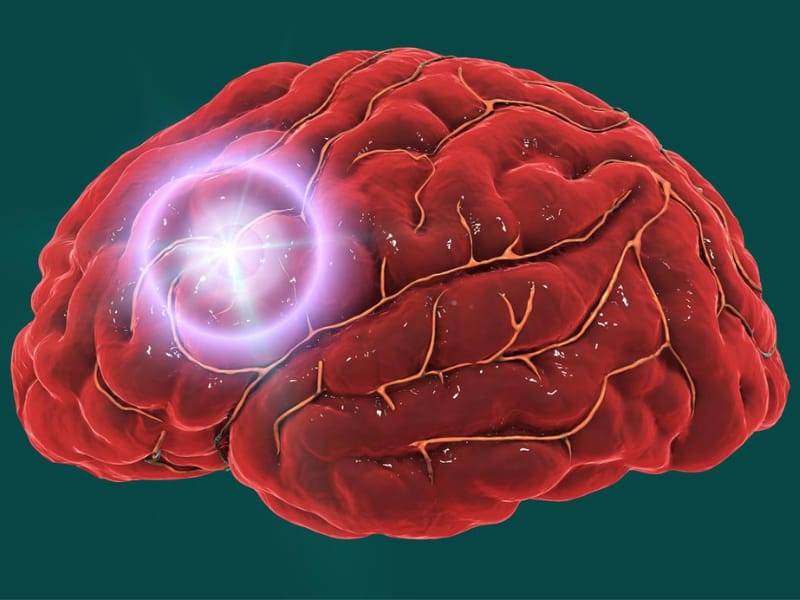
A blood clot in the brain refers to a mass of clotted blood that either blocks a blood vessel supplying the brain or collects in or around brain tissue after bleeding. Depending on where and how it forms, it may be called a clot, a hematoma, or a thrombus, but the underlying concern is the same: normal brain function is disrupted, either because blood flow is cut off or because the clot itself is pressing on surrounding tissue.
This condition is serious in either direction. A blocked vessel starves brain tissue of oxygen, while a clot pressing on tissue causes direct physical damage, and both can worsen quickly without treatment.
What Causes a Blood Clot in the Brain?
A blood clot in the brain can develop for several different reasons, and the underlying cause is usually what determines the treatment path:
- Ischemic stroke: a clot forms in or travels to a blood vessel supplying the brain, blocking blood flow. This is the most common cause of a brain-related blood clot overall. For a full breakdown of how this compares to a bleeding (hemorrhagic) stroke, see our guide on ischemic vs hemorrhagic stroke.
- Head injury or trauma: a blow to the head can cause bleeding inside or around the brain, which then collects into a clot, or hematoma. This is a common and serious complication of traumatic brain injury.
- Underlying clotting disorders: some people have a higher natural tendency to form blood clots due to genetic or acquired conditions, increasing their risk regardless of injury or stroke.
- Deep vein thrombosis (DVT) with migration: while DVT itself is a clot that typically forms in the leg, in rare cases a clot can travel through the bloodstream and, through specific pathways, contribute to a stroke. This is uncommon, but it’s part of why doctors take any diagnosed DVT seriously and treat it promptly rather than assuming it will resolve on its own.
Because the cause varies so much, treatment for a blood clot in the brain isn’t one-size-fits-all; a clot caused by a ruptured blood vessel is treated very differently from one caused by a blockage.
Symptoms of a Blood Clot in the Brain
Symptoms can develop suddenly or build gradually, depending on the size and location of the clot. Common signs of a blood clot in the brain after an accident, or as a result of a stroke, include:
- Sudden, severe headache
- Weakness or numbness, often on one side of the body
- Slurred speech or difficulty finding words
- Blurred or double vision
- Confusion or difficulty understanding others
- Loss of balance or coordination
- Seizures
- Loss of consciousness in more severe cases
Any of these symptoms appearing suddenly should be treated as a medical emergency; waiting to see if they improve on their own can allow the underlying clot to cause further damage.
How Is a Blood Clot in the Brain Diagnosed?
Doctors typically confirm a blood clot in the brain using brain imaging, most often a CT scan, since it can be performed quickly and clearly shows bleeding or blockages. An MRI may also be used for more detailed imaging in certain cases. Additional tests, such as blood work to check clotting function, may be done alongside imaging to help guide treatment decisions.
Because timing matters so much with brain-related clots, diagnosis usually happens as quickly as possible in an emergency setting, often within the first hour of a patient arriving at the hospital.
Blood Clot in Brain Treatment: Medication vs Surgery
Treatment depends heavily on the clot’s size, location, cause, and how the patient is responding.
Blood thinners for brain clot management: for clots caused by a blockage (as in ischemic stroke), medications like tissue plasminogen activator (tPA) may be given within a specific early time window to help dissolve the clot. Anticoagulants and antiplatelet medications may also be used, both in the acute phase and afterward, to prevent new clots from forming, though these are generally avoided or used cautiously when the clot involves active bleeding, since thinning the blood further could worsen a hemorrhage.
Blood clot in brain surgery: when a clot is large, growing, or causing significant pressure or neurological decline, surgical removal becomes necessary. Two common approaches include:
- Thrombectomy: a minimally invasive procedure where a catheter is guided through blood vessels to physically remove the clot, commonly used for clots caused by ischemic stroke.
- Craniotomy: a more invasive surgery where part of the skull is temporarily opened to directly access and remove a hematoma, typically used when bleeding has caused a large clot pressing on brain tissue.
Can a blood clot in the brain be treated without surgery? In many cases, yes, small, stable clots that aren’t causing significant pressure or worsening symptoms can sometimes be managed with close monitoring, repeat imaging, and medication alone. The decision between surgical and non-surgical management is made by a neurologist or neurosurgeon based on the clot’s specific characteristics and how the patient is responding over time.
Recovery After Blood Clot Treatment
Blood clot in brain recovery time varies widely depending on the clot’s size and location, the treatment received, and how quickly it was addressed. Some patients recover most or all normal function within weeks, particularly after prompt treatment for smaller clots. Others, especially after larger clots or delayed treatment, may need a longer recovery period involving physical therapy, speech therapy, or occupational therapy to regain lost function.
Follow-up imaging is common after treatment to confirm the clot hasn’t recurred or grown, and ongoing medication, particularly blood thinners, may continue for weeks or months to reduce the risk of another clot forming.
Paying for Blood Clot Treatment: Fundraising Support
Emergency treatment for a blood clot in the brain, from ER evaluation and imaging to surgery and ICU care, can bring high costs with very little warning. Insurance may cover part of the bill, but delays in claims processing or coverage gaps can leave families needing funds faster than approvals typically move.
This is where crowdfunding donation platforms have become a practical option for many Indian families. ImpactGuru is one of the best crowdfunding platforms in India built specifically for medical emergencies, allowing you to raise donations online quickly by sharing the diagnosis, the hospital’s cost estimate, and your story with family, friends, and a wider community of donors.
Conclusion
A blood clot in the brain is a serious condition, but it’s also a highly treatable one when caught and addressed quickly, whether that means medication, a minimally invasive thrombectomy, or emergency surgery. Recognizing the warning signs and getting to a hospital without delay remains the single biggest factor in a good outcome. If you or a loved one is facing the cost of treatment for a blood clot in the brain, ImpactGuru can help you start a fundraiser and reach the people ready to support you. Start your campaign today and get the financial support you need without delay.