

Lifestyle diseases are health problems that develop primarily because of our daily lives. Unlike infectious illnesses caused by bacteria or viruses, lifestyle diseases are largely the result of unhealthy habits, like a sedentary lifestyle, poor diet, stress, and lack of physical activity. Common examples include heart disease, diabetes, obesity, and high blood pressure.
These diseases are becoming more widespread as modern living patterns change, particularly in countries like India, where rapid urbanization, shifting work habits, and a growing preference for processed foods have led to an alarming rise in such conditions.
In India, the prevalence of lifestyle diseases has increased significantly over the past few decades. As more people move to cities, they adopt fast-paced work routines with less physical movement and more reliance on unhealthy, ready-to-eat meals.
Combined with increasing stress levels from work pressures and personal responsibilities, these habits put individuals at a higher chance of developing severe health problems. This rise in lifestyle diseases has burdened India’s healthcare system and affected the economy due to decreased productivity and higher healthcare costs.
Managing lifestyle diseases is crucial because, in many cases, they are preventable with simple lifestyle changes. Small steps like maintaining a balanced diet, exercising regularly, reducing stress, and avoiding smoking or excessive alcohol consumption can drastically reduce the chances of developing these conditions.
Additionally, early detection and intervention can prevent these diseases from becoming severe, leading to fewer complications and improving overall quality of life. By focusing on prevention and early management, individuals can improve their health & contribute to reducing the strain on the healthcare system.
Table of Contents
- The Growing Burden of Lifestyle Diseases in India
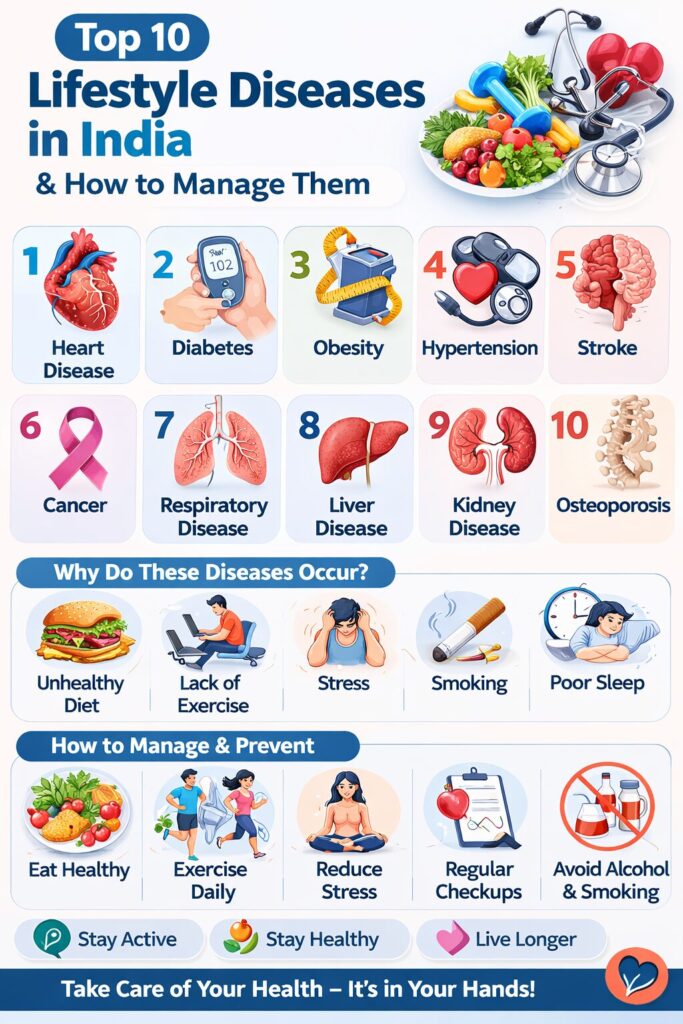
- Top 10 Lifestyle Diseases In India & How To Manage Them
- Long-Term Treatment Costs for Lifestyle Diseases
- How Medical Crowdfunding Supports Patients with Chronic Illness
- Financial Support Options for Managing Lifestyle Diseases
- Expert Insight: Importance of Early Prevention
- Conclusion
The Growing Burden of Lifestyle Diseases in India
Lifestyle diseases have become increasingly common due to sedentary habits, unhealthy diets, and high stress levels. Conditions such as Type 2 Diabetes, Hypertension, and Obesity affect millions of people across India and can lead to serious complications if left untreated.
Managing these conditions often requires long-term medical care, regular diagnostic tests, medications, and lifestyle changes. For many families, the financial burden of ongoing treatment can be significant. In such situations, medical crowdfunding has become a helpful solution that allows patients to raise funds online and receive timely healthcare support.
Help patients connect with the right medical support when you Refer a Patient for Medical Help promptly.

Top 10 Lifestyle Diseases In India & How To Manage Them

In recent years, lifestyle diseases have surged across India due to the rapid transformation in people’s living patterns, largely influenced by urbanization, technology, and work-related stress. Unlike infectious illnesses, these diseases are non-communicable and develop over time due to unhealthy habits, poor diet, lack of physical activity, and other modern-day factors. This guide will explore the top 10 lifestyle diseases affecting India and provide practical management tips to help you lead healthier lives.
Long-Term Treatment Costs for Lifestyle Diseases
Chronic conditions like Coronary Artery Disease, Chronic Kidney Disease, and Asthma often require lifelong management. This may include doctor consultations, medications, diagnostic tests, and sometimes hospitalizations.
For families dealing with long-term medical expenses, it can become challenging to manage treatment costs. In some cases, patients need donation for medical treatment to ensure they can continue receiving necessary care and medications without interruption.
1. Cardiovascular Diseases (CVD)
What are CVDs?
Cardiovascular diseases (CVDs) include a range of conditions affecting the heart and blood vessels, such as heart attacks, strokes, hypertension (high blood pressure), and coronary artery disease. India has seen a sharp rise in heart disease cases, with 1 in 4 deaths attributed to CVDs, making it the leading cause of death in the country. The incidence of heart attacks has increased even among younger individuals aged 25-40, highlighting a growing concern.
Key Causes:
– Smoking damages blood vessels & accelerates plaque buildup.
– High blood pressure puts added strain on the heart & arteries.
– High cholesterol contributes to clogged arteries.
– Lack of exercise reduces cardiovascular fitness and increases obesity risk.
– Poor diet, especially high in saturated fats, refined sugars, and sodium.
Management Tips:
– Incorporate regular exercise, such as walking, cycling, or yoga, to improve cardiovascular health.
– Follow a balanced diet emphasizing whole grains, lean proteins, fruits, and vegetables. Limit sodium and saturated fats to reduce blood pressure and cholesterol.
– Practice stress management practices like deep breathing, meditation, or mindfulness to lower the risk of heart disease.
– Get regular health check-ups to monitor cholesterol, blood pressure, and blood sugar levels, and seek early intervention if needed.
With crowdfunding donation, campaigns can reach a broader audience.
Online communities make fundraising more powerful.
Stay prepared for healthcare decisions once you Explore Patient Care Guides.
2. Diabetes
India has earned the unfortunate title of the diabetes capital of the world, with more than 77 million people diagnosed with diabetes. This metabolic disorder occurs when the body cannot produce insulin (Type 1 diabetes) or becomes immune to insulin (Type 2 diabetes), resulting in high blood sugar levels. Type 2 diabetes is more common and is strongly linked to lifestyle factors.
Risk Factors:
– Obesity, mainly abdominal obesity, is a primary risk factor for Type 2 diabetes.
– A family history of diabetes increases the chances of getting this medical condition.
– Poor dietary choices, like excessive consumption of sugary and processed foods, increase insulin resistance.
Management Tips:
– Follow a diabetes-friendly diet that includes complex carbohydrates (like whole grains) and limits sugar intake. Concentrate on foods with a lower glycemic index to maintain steady blood sugar levels.
– Observe blood sugar levels regularly to ensure they stay within a healthy range.
– Engage in physical activity like running, jogging, or yoga to improve insulin sensitivity.
– Stick to prescribed medication or insulin therapy to manage blood sugar effectively.
3. Obesity
It is a medical condition in which surplus body fat accumulates to the extent that it may negatively impact health. It is computed using Body Mass Index (BMI), with a BMI of 30 or more signifying obesity. India is facing an obesity epidemic, affecting both adults and children, due to increased consumption of high-calorie junk food and reduced physical activity. By 2025, it is projected that over 17 million children in India will be classified as overweight or obese.
Causes:
– Sedentary lifestyles are often linked to long working hours and reduced physical activity.
– Overconsumption of processed and fast foods, high in sugar, fats, and empty calories.
– Lack of awareness about healthy eating and portion control.
Management Tips:
– Practice portion control by eating smaller meals throughout the day and avoiding overeating.
– Make regular exercise a part of your routine, aiming for at least 150 minutes of moderate-intensity activity per week.
– Reduce your consumption of processed & junk foods high in sugar, salt, and unhealthy fats. Rather, focus on whole foods such as fruits, vegetables, & lean proteins.
– Adopt mindful eating habits, such as eating slowly and paying attention to hunger cues, to prevent overeating.
Fundraise online to keep your fundraising efforts organized.
Digital tools help track progress easily.
Understand your potential healthcare spending through the Disease Cost Calculator.
4. Respiratory Diseases (COPD, Asthma)
Respiratory diseases such as COPD & asthma are on the rise in India, largely due to worsening air pollution and high rates of smoking. It is a chronic inflammatory lung disorder that blocks airflow, while asthma causes airway narrowing, leading to breathing difficulties. Air pollution contributes significantly to respiratory issues, with India being home to some of the world’s most polluted cities.
Causes:
– Tobacco smoke is a primary cause of COPD, while it also triggers asthma attacks.
– Air pollution, including vehicular and industrial emissions, worsens respiratory conditions.
– Indoor pollution from cooking with biomass fuels also contributes to respiratory diseases, especially in rural areas.
Management Tips:
– Stop smoking or limit exposure to secondary smoke to reduce respiratory risks.
– Limit exposure to polluted environments and consider using protective masks when air quality is poor.
– Use inhalers and prescribed medications to manage asthma and COPD symptoms.
– Practice breathing exercises like deep breathing or pursed-lip breathing to strengthen lung function.
5. Cancer
Most Common Cancers in India:
The most prevalent cancers in India include lung cancer, breast cancer, cervical cancer, & oral cancer. Many cancer cases are linked to lifestyle factors such as smoking, alcohol consumption, poor diet, and sedentary living. In 2023, India recorded over 1.5 million new cancer cases, reflecting an increase from previous years.
This rise is attributed to aging populations, urbanization, and lifestyle changes. The number of cancer cases is expected to escalate further, with experts predicting it could reach 2 million annually by 2030 as life expectancy increases and lifestyle-related risk factors become more widespread.
Risk Factors:
– Tobacco use, including smoking & chewing tobacco, is the leading cause of lung and oral cancers.
– Alcohol consumption increases the risk of various kinds of cancers, including liver & breast cancer.
– Poor diet & lack of exercise contribute to obesity, a known risk factor for multiple cancers.
Management Tips:
– Get regular cancer screenings, especially for breast, cervical, and colon cancers, as early detection can improve treatment outcomes.
– Avoid tobacco in all types, & restrict alcohol consumption to reduce cancer risk.
– Observe a healthy weight through balanced nutrition and physical activity.
– Pursue a diet rich in fruits, vegetables, & antioxidants, which may help reduce cancer risk.
Raise donations online to bring attention to your cause.
Greater visibility encourages support.
Make treatment planning easier once you Find hospital and fund your treatment.
6. Hypertension
Hypertension, or high blood pressure, is a medical state in which the force of the blood against the artery walls is too high, putting strain on the heart & blood vessels. Usually referred to as a silent killer, hypertension can cause heart attacks, strokes, & kidney damage if left unchecked. In India, over 30% of adults are affected by hypertension, with many unaware of their condition.
Causes:
– High salt intake is a major contributor to hypertension.
– Stress & sedentary lifestyles increase the risk of developing high blood pressure.
– Obesity and lack of physical activity further exacerbate the condition.
Management Tips:
– Reduce salt intake by choosing low-sodium alternatives and avoiding processed foods.
– Inculcate regular exercise such as walking, swimming, or cycling to lower blood pressure.
– Practice stress management techniques like meditation, yoga, or deep breathing.
– Take prescribed blood pressure medications and monitor your blood pressure regularly.
7. Stroke
When a stroke occurs, it happens because there is a reduction in blood flow to a specific part of the brain, leading to a lack of oxygen & nutrients in the affected brain tissue. In India, strokes are becoming more common, particularly among younger individuals, due to high rates of hypertension and diabetes. Strokes can lead to everlasting disability or death, depending on the severity.
Risk Factors:
– High blood pressure is the major cause of stroke.
– Smoking & high cholesterol contribute to blood clots that can block brain arteries.
– A deficient diet high in saturated fats & refined sugars increases stroke risk.
Management Tips:
– Control hypertension through lifestyle changes and medication.
– Quit smoking to limit the risk of blood clots and strokes.
– Engage in daily physical activity to improve cardiovascular health.
– Scheduled health check-ups to monitor and manage risk factors like cholesterol and blood pressure.
When you raise money, you create opportunities for real help.
Through crowdfunding, supporters unite to make a difference.
8. Liver Diseases (Fatty Liver, Cirrhosis)
Overview of Liver Diseases:
Different liver diseases like non-alcoholic fatty liver disease (NAFLD)& cirrhosis are becoming more dominant in India due to rising rates of obesity and unhealthy eating habits. NAFLD develops when surplus fat builds up in the liver, which can cause liver damage. Cirrhosis, often caused by alcohol abuse, results in scarring of the liver tissue.
Causes:
– Excessive alcohol consumption damages liver cells, leading to cirrhosis.
– Obesity and unhealthy diets high in processed foods contribute to fatty liver disease.
– Viral infections like hepatitis B & C can also lead to chronic liver disease.
Management Tips:
– Limit alcohol consumption to prevent liver damage.
– Observe a balanced diet rich in fruits, vegetables, and whole grains to support liver health.
– Keep a healthy weight to limit the risk of fatty liver disease.
– Get vaccinated against hepatitis B, and practice safe hygiene to avoid viral infections.
9. Kidney Disease
Chronic Kidney Disease (CKD) is a moderate loss of kidney function over time. The kidneys are accountable for filtering waste from the blood, & when they fail, dangerous levels of waste & fluid accumulate in the body. Diabetes and hypertension are the 2 leading causes of CKD in India, contributing to a growing burden of kidney-related complications.
Risk Factors:
– Diabetes & high blood pressure are the major causes of CKD.
– Obesity and unhealthy diets exacerbate kidney problems.
– A family history of kidney illness increases the risk.
Management Tips:
– Control blood sugar levels and blood pressure to protect kidney function.
– Consume plenty of water to stay hydrated & support kidney health.
– Restrict the intake of processed foods high in salt and sugar.
– Schedule regular health check-ups to monitor kidney function, especially if you have diabetes or hypertension.
10. Osteoporosis
Osteoporosis weakens bones, making them fragile & more prone to fractures. The chances of osteoporosis increase as people age, especially in postmenopausal women. However, lifestyle factors such as a lack of calcium and vitamin D and sedentary habits can also contribute to bone loss in younger populations.
Causes:
– Lack of physical activity, especially weight-bearing exercises, weakens bones.
– A poor diet lacking calcium and vitamin D can accelerate bone loss.
– Hormonal imbalances, particularly in women after menopause, increase osteoporosis risk.
Management Tips:
– Incorporate weight-bearing exercises like walking, jogging, or resistance training to strengthen bones.
– Eat calcium-rich foods such as dairy items, leafy greens, & fortified foods.
– Get adequate vitamin D through sun exposure or supplements to aid calcium absorption.
– Schedule bone density tests if you’re at risk of osteoporosis to monitor bone health.

How Medical Crowdfunding Supports Patients with Chronic Illness
Access to quality healthcare should not be limited by financial challenges. Today, medical crowdfunding platforms allow patients to raise funds online for treatment, medications, and hospital expenses.
Many people living with lifestyle diseases turn to online platforms when they need donation for medical treatment. By sharing their story with a wider audience, patients can receive support from friends, relatives, and compassionate donors.
These initiatives also promote awareness and encourage community participation through organized medical fundraising, helping individuals manage long-term healthcare expenses.
Financial Support Options for Managing Lifestyle Diseases
Patients managing chronic conditions often explore several financial support options, including health insurance, government healthcare schemes, and hospital assistance programs.
Another increasingly common option is medical crowdfunding, where individuals create online campaigns to seek financial help for treatment. Patients who need donation for medical treatment can share their story with supporters who are willing to contribute toward hospital bills, medications, and long-term care.
Through transparent medical fundraising initiatives, many individuals have been able to continue their treatment and improve their overall quality of life.
Expert Insight: Importance of Early Prevention
Medical experts emphasize that prevention is the most effective strategy for reducing the risk of lifestyle diseases. Maintaining a balanced diet, engaging in regular physical activity, managing stress, and attending routine health checkups can significantly lower the chances of developing chronic conditions.
However, when lifestyle diseases progress to severe stages, treatment costs may increase. In such cases, medical crowdfunding initiatives provide financial relief and help patients access the medical care they need.
Lifestyle diseases are health conditions that develop due to unhealthy daily habits such as poor diet, lack of physical activity, stress, smoking, and alcohol consumption. These diseases are non-communicable and gradually affect overall health over time. In India, the number of people affected by lifestyle diseases in India is rising due to urbanization, sedentary work routines, and unhealthy food choices.
Common types of lifestyle diseases include heart disease, diabetes, obesity, hypertension, cancer, stroke, liver disease, kidney disease, and osteoporosis. Many people often ask what are lifestyle diseases and whether conditions like is cancer a lifestyle disease—the answer is that lifestyle factors can increase the risk of certain cancers. Understanding the causes of lifestyle diseases is essential for prevention. Healthy habits like balanced nutrition, regular exercise, stress management, and routine health checkups play a key role in the prevention of lifestyle diseases.
Conclusion
Lifestyle diseases are becoming a major health concern in India due to changing habits and increasing stress levels. Conditions such as Type 2 Diabetes, Hypertension, and Heart Disease require long-term management and consistent medical care.
While prevention through healthy living is essential, managing these conditions may also involve significant healthcare expenses. In such situations, medical crowdfunding and community-driven medical fundraising initiatives offer support to patients who need donation for medical treatment, ensuring that financial challenges do not delay necessary healthcare.
By adopting healthier habits, including balanced nutrition, regular physical activity, stress management, and avoiding harmful habits like smoking & excessive alcohol consumption, individuals can considerably reduce their risk of developing these diseases. It’s essential to stay proactive, seek regular health screenings, & work closely with medical professionals to prevent and manage lifestyle diseases effectively.
Managing lifestyle diseases often comes with high medical expenses, especially for treatments like heart surgery, dialysis, or long-term medication for conditions like diabetes and cancer. Many people in India face financial difficulties when dealing with these diseases.
Crowdfunding platforms offer a practical solution by allowing individuals to raise funds online for their medical treatments. These platforms connect patients with a community of donors who contribute to cover the costs of surgeries, hospital stays, medications, and regular check-ups.