

Pleuropulmonary blastoma (PPB) is a rare & aggressive cancer that primarily targets the lungs and the pleura, the delicate membrane surrounding them. This devastating condition mainly affects young children, typically those under six years old, though it can occasionally be seen in older kids and adults. What makes PPB particularly challenging is its rapid growth and potential to spread swiftly to other parts of the body, necessitating prompt and accurate diagnosis and treatment.
One of the hurdles in battling PPB is its rarity, which often leads to initial misdiagnoses. The symptoms of PPB can mimic common respiratory conditions, making early detection difficult. Parents might notice their child experiencing persistent coughing, wheezing, breathing difficulties, chest pain, or recurrent respiratory infections like pneumonia. These signs & symptoms can easily be mistaken for asthma or other less severe respiratory issues, delaying critical treatment.
Diagnosing PPB involves a series of imaging tests, such as X-rays, CT scans, and MRIs, along with a biopsy to confirm the presence of malignant cells. Once PPB is identified, a comprehensive treatment plan is crafted, typically involving surgery, chemotherapy, and radiation therapy. The exact course of treatment depends on several factors, including the tumor’s size and location, the extent of the disease, & the complete health of the child.
Surgery often serves as the cornerstone of PPB treatment, aiming to remove as much of the cancer tumor as possible while preserving healthy lung tissue. In severe cases where cancer has extensively spread or the tumor is not fully removable, a lung transplant might be considered. Chemotherapy & radiation therapy are frequently used in conjunction with surgery to shrink tumors beforehand or to eliminate any remaining cancer cells post-surgery.
The prognosis for children diagnosed with PPB can vary widely. Several factors influence the outcome, including the stage at which the disease is diagnosed, the tumors’ characteristics, and how effectively cancer responds to treatment. Overall, the survival rate for PPB is relatively low compared to other childhood cancers. However, advancements in treatment options & early detection strategies continue to improve outcomes for children diagnosed with this rare and aggressive cancer. Researchers are dedicated to uncovering new therapeutic targets and developing more effective treatments, striving to enhance the prognosis and quality of life for children battling this rare and formidable cancer.
Table of Contents
Pleuropulmonary Blastoma Symptoms
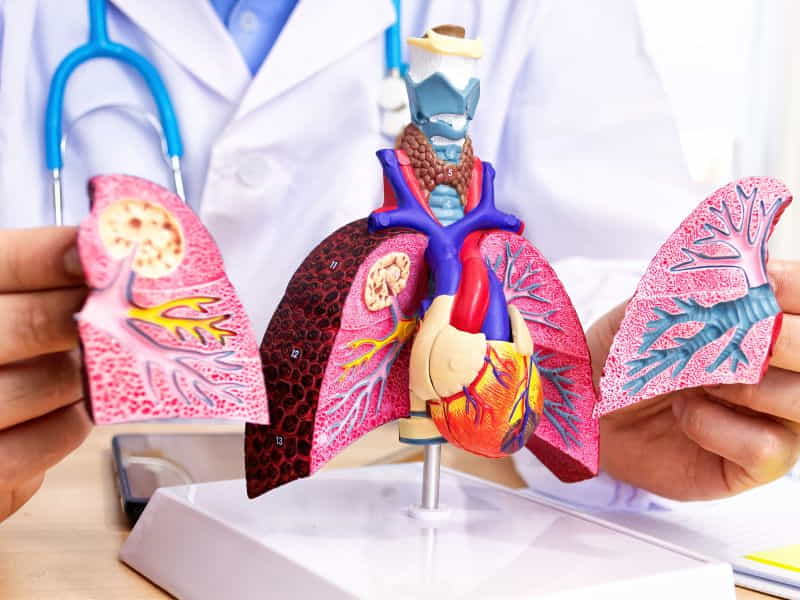
Pleuropulmonary blastoma (PPB) is a rare and severe type of cancer that mostly affects young children, usually under the age of six. Understanding its symptoms can be challenging because they often resemble common respiratory illnesses. Let’s take a closer look at the symptoms of PPB:
One of the first signs parents might notice is persistent coughing. This isn’t just a regular cough that comes and goes; it’s a cough that remains for weeks or even months. It might seem like your child is constantly battling a cold that never fully disappears. This can be worrying, especially when other typical cold signs like a runny nose or fever aren’t present.
Another sign to be alert for is wheezing. Wheezing is a high-pitched whistling noise created during breathing, frequently more noticeable when your child breathes out. It might sound similar to what you’d hear in children with asthma, making it easy to confuse the two conditions. However, in the case of PPB, the wheezing doesn’t respond well to typical asthma treatments.
Problem breathing, or shortness of breath, is another sign of PPB. You might notice your child struggling to catch their breath, even when not exerting themselves. This could happen during playtime but also when they’re resting. It can be particularly frightening to see your child gasping or having to work harder to breathe.
Chest pain can also be a sign & symptom of PPB. Children might complain of discomfort or a sharp pain in their chest. This can be confusing because young kids might not always be able to articulate what they’re feeling accurately. They might simply say their chest hurts or that they feel uncomfortable.
In some cases, children with PPB may experience recurrent pneumonia or other respiratory infections. This means they get sick repeatedly with symptoms like fever, cough, and difficulty breathing. Even after treatment, the infections keep coming back, which can be exhausting and concerning for both the child and their family.
These symptoms—persistent coughing, wheezing, difficulty breathing, chest pain, and recurrent infections—can be subtle and develop gradually. This often leads to delays in diagnosis, as they can be mistaken for more common illnesses. If you notice these symptoms in your child, especially if they persist or worsen, it’s better to consult a healthcare professional. Early detection & treatment can make a significant difference in managing PPB.
Causes Of Pleuropulmonary Blastoma
The exact cause of PPB is not fully known, but it’s believed to be related to genetic changes. In many cases, these changes are not inherited but occur spontaneously. This means that the cancer is not usually passed down from parents to their children. However, some families might have a higher risk due to genetic mutations that can be inherited.
One of the key genes involved in PPB is the DICER1 gene. This gene helps regulate cell growth and development. A mutation in the DICER1 gene can cause cells to develop uncontrollably, leading to the formation of tumors. Children with DICER1 mutations might also be at risk for other types of tumors and health issues, making it essential for families to receive genetic counseling if a child is diagnosed with PPB.
Environmental factors have not been shown to play a significant role in causing PPB. Unlike some adult cancers, which can be linked to lifestyle choices or exposure to certain chemicals, PPB seems to result primarily from genetic abnormalities.
Researchers are still studying PPB to understand its causes better. This ongoing research is crucial because understanding what triggers the disease can lead to better ways to prevent, diagnose, and treat it. Early detection and treatment remain the best strategies for managing PPB and improving outcomes for affected children.
If your child is diagnosed with PPB, it’s natural to feel overwhelmed. Remember that you’re not alone, and there are medical professionals and support groups available to help guide you through this challenging time. Advances in medical research continue to provide hope for more effective treatments and a better understanding of this rare cancer.
Pleuropulmonary Blastoma Survival Rate
Survival rates for PPB can vary, and they are often presented as percentages representing the likelihood of surviving a certain number of years following diagnosis. These statistics are based on large groups of people & can’t predict individual outcomes, but they offer a general idea of the prognosis.
There are different types of PPB, each with its own survival rate:
– Type I PPB is considered the least aggressive form and has the highest survival rate. Children with Type I PPB have a 5-year survival rate of about 98%.
– Type Ir PPB signifies regression or nonprogression, and the 5-year survival rate for these cases is reported to be 100%.
– Type II and Type III PPB are more aggressive and have lower survival rates. The 3-year survival rate for these types ranges from 52% to 82%.
It’s important to note that these figures can change as new treatments are developed and as more is learned about the disease. The survival rates are also influenced by various factors, including the stage of the disease at diagnosis, the specific characteristics of the cancer, the child’s overall health, and how well the cancer responds to treatment.
Treatment for PPB typically involves a combination of surgery, chemotherapy, and sometimes radiation therapy. The goal is to remove or destroy the cancerous tumors while preserving as much healthy tissue as possible.
The rarity of PPB means that these survival rates are based on a moderately small number of cases, which can make them less predictive than survival rates for more common cancers. However, they still provide valuable information for doctors, patients, and families.
Pleuropulmonary Blastoma Treatment
The treatment for PPB differs based on the type of tumor & the stage at which it is diagnosed. In India, the treatment options and their costs can differ widely due to factors such as hospital infrastructure, the expertise of medical professionals, and the region.
Types of Pleuropulmonary Blastoma & Treatment Approaches:
1. Type I PPB: This type is cystic and usually occurs in children under the age of 3. The prognosis for Type I PPB is generally good, and the treatment typically involves surgical removal of the affected lung lobe. If the tumor recurs as Type II or III, further treatment may be necessary.
2. Type Ir PPB: These are regressed or non-progressive Type I tumors. They are purely cystic and lack a primitive cell component. Treatment usually involves careful observation and may not require immediate intervention unless changes are detected.
3. Type II PPB: These tumors have both cystic and solid components and are more common in children over the age of 2. They may spread to other parts of the body, including the brain. Treatment often includes surgery to remove the affected lung lobe, followed by chemotherapy and possibly radiation therapy.
4. Type III PPB: This type is solid and more likely to occur in children over the age of 2. Type III tumors often metastasize to the brain and other organs. The treatment approach is similar to Type II, involving surgery, chemotherapy, and possibly radiation therapy.
Costs of Treatment in India:
The costs of treating PPB in India can vary significantly. Surgery is the primary treatment for all kinds of PPB, and the price can range from INR 2,00,000 to INR 10,00,000, depending on the complexity of the procedure and the hospital. Chemotherapy costs can vary from INR 50,000 to INR 2,00,000 per cycle, often requiring several cycles. Radiation therapy, if needed, can add an additional INR 1,00,000 to INR 5,00,000 to the total treatment cost.
It’s important to note that these costs are approximate and can vary based on each patient’s specific circumstances. Additionally, many hospitals and organizations offer financial assistance and support to families dealing with PPB, which can help mitigate the financial burden.
Consulting with a medical professional specializing in pediatric oncology is crucial for the most accurate and up-to-date information on treatment options and costs. They can provide a detailed treatment plan tailored to the individual needs of the patient and guide the family through the available financial support options.
Diagnosis Tests Available For Pleuropulmonary Blastoma
The diagnosis of PPB is complex and involves a combination of imaging studies & genetic testing, culminating in a histological examination through biopsy. Here’s an in-depth look at the diagnostic process for PPB.
Imaging Studies
Imaging is the first step in the diagnostic process for PPB. The following imaging modalities are commonly used:
– X-rays: These can reveal a unilateral lung whiteout, which is a complete opacification of one lung field.
– Ultrasound: While not a primary imaging modality for PPB, ultrasound can show non-specific signs such as a large region of consolidation.
– Computed Tomography (CT): A CT scan provides a detailed image of the thorax, revealing the presence of a mass with mixed solid-cystic features, pleural effusion, and sometimes a contralateral mediastinal shift.
Genetic Testing
Genetic predisposition plays a significant role in PPB, with mutations in the DICER1 gene being a notable risk factor. Genetic counseling and testing for DICER1 mutations are recommended for children with PPB or those with a family history of the disease.
Histological Examination
The definitive diagnosis of PPB is made through a biopsy. This involves the removal and examination of tissue from the lung or chest. A biopsy can distinguish PPB from other conditions with similar radiological appearances, such as congenital pulmonary airway malformations (CPAM).
Classification of PPB
PPB is classified into three types based on histological findings:
– Type I: Cystic lesions that are often radiologically indistinguishable from CPAMs.
– Type II: Mixed cystic and solid lesions, associated with a higher risk of metastasis.
– Type III: Predominantly solid tumors, which carry the highest risk of spreading to other body parts.
Prognosis & Follow-up
The prognosis for PPB varies depending on the type and stage of the tumor at diagnosis. Regular follow-up care is necessary to evaluate for recurrence or progression of the disease.
Conclusion
Pleuropulmonary blastoma (PPB) is a rare & aggressive childhood lung cancer, making prompt diagnosis and treatment critical. Survival rates vary, with early-stage PPB having a better prognosis than advanced stages. Recognizing symptoms like persistent respiratory distress and chest pain is vital for early detection. Accurate diagnosis through imaging, biopsy, and genetic testing enables tailored treatment plans.
Ongoing research & clinical trials are crucial for finding more effective treatments and improving outcomes. Staying informed about medical advancements and vigilant for early symptoms can lead to better futures for children with PPB.
Fundraising is pivotal in helping individuals cover the high cost of Pleuropulmonary blastoma (PPB) treatment in India. The financial burden associated with PPB treatment can be overwhelming for many families, especially considering the extensive medical interventions often required.