

Methotrexate is a widely used prescription medicine that has stood the test of time in treating both cancer and chronic inflammatory disorders. It belongs to a class of drugs called antimetabolites, which work by interfering with folate metabolism — an essential process for producing DNA and RNA in rapidly dividing cells. This mechanism makes methotrexate effective in slowing the growth of cancer cells and dampening abnormal immune responses in autoimmune conditions. It’s available in tablet and injectable forms, and the specific dose depends on the condition being treated.
Table of Contents
- Primary Uses:
- Side Effects
- Price Insights (India):
- Methotrexate Tablets
- Methotrexate Doses
- Methotrexate Injection Uses
- Managing Skin and Immune System Changes During Cancer and Pregnancy
- Methotrexate Injection Price
- Methotrexate Injection Side Effects
- Methotrexate Price
- Methotrexate For Cancer
- What Conditions Should You Tell Your Doctor About Before You Take The Medicine?
- How Should The Medication Be Stored?
- Warnings Related To Methotrexate
- What Are The Brand Names Of Methotrexate?
- What Are The Different Types Of Methotrexate?
- What Kind Of Diet Must A Person Follow?
- What Should A Person Taking Methotrexate Avoid?
- How Does The Drug Work?
- Conclusion
- FAQs
Primary Uses:
- Rheumatoid arthritis & Psoriasis: Low-dose weekly methotrexate is a cornerstone therapy for reducing inflammation, easing pain, and slowing disease progression.
- Autoimmune conditions: It’s also used in psoriatic arthritis and juvenile idiopathic arthritis when other treatments have not worked.
- Cancer therapy: At higher doses, methotrexate is part of chemotherapy regimens for leukemia and certain solid tumors, where it helps slow malignant cell growth.
Side Effects
While methotrexate provides significant therapeutic benefit, it can also cause side effects ranging from mild to serious. Common reactions include nausea, loss of appetite, stomach discomfort, mouth sores, and fatigue. Because it impacts rapidly dividing cells, methotrexate can also affect the bone marrow, liver, lungs, and immune system. This may lead to liver toxicity, breathing difficulties, increased risk of infections, and blood-cell count abnormalities. For this reason, patients are routinely monitored with blood tests throughout their treatment. Methotrexate can also be dangerous in pregnancy, so effective contraception is recommended during and after therapy.
Price Insights (India):
- 2.5 mg tablets: Around ₹35–₹90 per tablet/strip depending on the brand and pharmacy.
- 5–10 mg tablets: Roughly ₹50–₹291 per box for common strengths.
- Injectable forms: Prices can range from about ₹300–₹900 or more per vial for cancer-grade injectable methotrexate.
Official ceiling prices set by regulators list 2.5 mg tablets at around ₹4.7–₹5 per tablet and 5 mg tablets at ₹7.6–₹8.08 per tablet, reflecting efforts to make essential medicines affordable.
Methotrexate Tablets
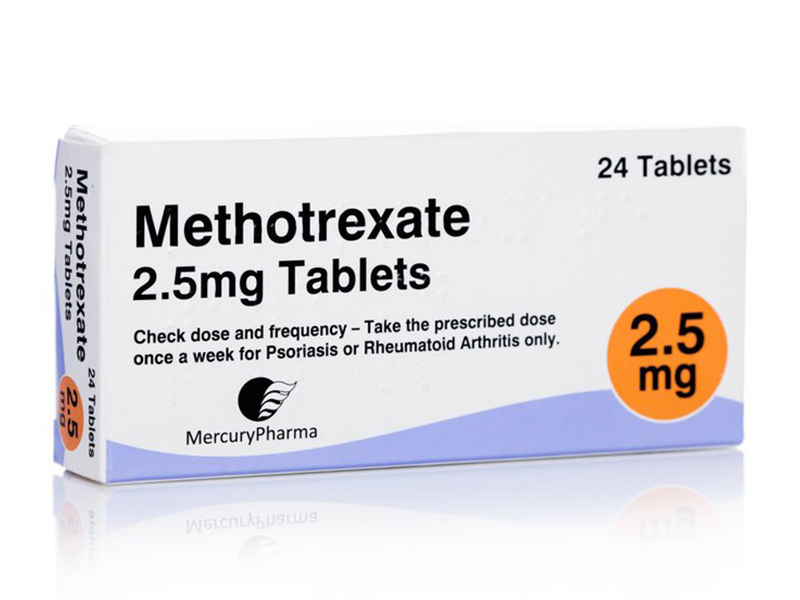
One may consume a medication in different forms. Sometimes, a person may take the medicine necessary for treatment in tablet form; others may take it in injection form. Methotrexate tablets are taken orally, usually with water, and must be swallowed directly along with the liquid. The tablets should not be crushed or chewed but must be consumed to have the necessary effect on the patient. The patient may usually be recommended to take the required dosage of the Methotrexate tablets before, after, or with their meals. Ask your doctor when would be best for you to consume Methotrexate tablets. It is also recommended that a person wash their hands after taking the Methotrexate tablets to remove any traces of the same.
One may want to know where they can purchase Methotrexate tablets. Methotrexate tablets may be available at a physical pharmacy near you or on an online pharmacy or website that may sell the same. The patient will need a prescription for the Methotrexate tablets if they want to purchase the same. If one may need some help buying Methotrexate tablets, they may ask their doctor or medical authority that they have given the prescription for the medication to them. One may also be able to ask their doctor to expand on Methotrexate uses, Methotrexate adverse effects, etc.
Methotrexate Doses
When one discusses Methotrexate tablet uses, prescription, and side effects with their doctor, they should also consult the dosage of the same and other aspects related to it. Methotrexate doses must be taken in consultation with your doctor or medical professional. A person should not take Methotrexate doses on your own. One may be given a prescription for the same with the doses the patient has to take specified along with it. After being prescribed the same, the person may take the Methotrexate doses accordingly. One may also want to know what they must do in case they miss any Methotrexate doses. The patient should first consult their doctor as to what they must do in this kind of situation and note the advice that is given to them by their doctor.
Usually, if Methotrexate doses are missed and not too long has passed since the person was supposed to have their dose, they may take it as usual. However, if a lot of time has passed since the person had to take that dose, they may be advised to take the next dose as usual and continue taking the rest of the Methotrexate doses as they should. A patient should strictly avoid taking double doses or extra doses in case of missed Methotrexate doses. One must only take extra or double Methotrexate doses if they have been advised to do so by their doctor or necessary medical authority overlooking their treatment.
Methotrexate tablets use must be made with a great deal of caution. In case of an overdose of Methotrexate, this could lead to severe consequences and, in some situations, even death. Suppose a higher dose of Methotrexate is taken by mistake. In that case, a poison control hotline should be contacted as soon as possible, especially if severe effects are seen in the person that has taken the dose. Suppose the impact on the patient is not very severe. In that case, they may contact their doctor or a suitable medical authority as soon as possible to try and understand how they must address the situation.
Some symptoms of an overdose of Methotrexate are:
- Mouth and throat sores
- Sore throat, chills, fever, ongoing cough, congestion, or other signs of infection
- Bruising or bleeding that is unexplained
- Stools that may be black, tarry, or bloody
- Vomiting with blood
- Vomit that resembles coffee grounds
Methotrexate Injection Uses
One may note multifarious Methotrexate injection uses for different patients. Methotrexate injection may be used in several instances in treating a patient and may be administered to a patient via injection. Medications such as Methotrexate may need to be given to a patient with more urgency, which is when the drug is administered in injection form to the patient. Injections, on the whole, can serve patients much faster as the medication is injected directly into the person’s vein. In this way, the drug circulates to all parts of the body, and the effect of the medicine is felt at an increasingly rapid speed. Also, as the medication is injected into the person’s vein, it avoids stomach degradation. One may ask their doctor more about Methotrexate injection uses if they want to know more about how the medication differs from its other forms, like its oral form.
Managing Skin and Immune System Changes During Cancer and Pregnancy
During certain medical treatments or health conditions, the body undergoes visible changes, particularly in the skin. For example, loosening of the skin is a common issue observed in individuals who are pregnant or undergoing treatment for specific types of cancers. This may be due to hormonal changes, stretching of the skin, or the body’s reaction to chemotherapy or radiation. In cancer patients, especially, the skin may become dry, itchy, or even fragile, requiring special care and hydration.
A compromised immune system is another concern, especially during cancer treatment. White blood cells, which play a vital role in fighting infection, often decrease significantly during chemotherapy, leaving the patient vulnerable. To protect against potential infections, patients are advised to wear protective clothing, avoid crowded places, and maintain proper hygiene. These preventive steps help reduce the chances of infections and complications while the immune system is suppressed.
Patients may also experience several common side effects, including swelling of the skin or eyes, fatigue, and loss of appetite. These symptoms can vary in severity based on the individual and the treatment regimen. Swelling may be a sign of an allergic reaction or fluid retention, both of which require medical attention. Managing nutrition becomes crucial during such times, as the loss of appetite can lead to malnutrition and hinder the healing process. Hence, regular monitoring and supportive care are essential for improving outcomes and ensuring patient comfort.
Methotrexate Injection Price
Patients may be taking the Methotrexate injection soon and may be interested in the Methotrexate injection price or Methotrexate cost. Due to rising medical and healthcare costs, it is always a good idea to read up on or determine the price of a particular treatment. Methotrexate injection price for Methotrexate Injection 50mg, Packaging Type: Vial, 2 ml is Rs 69.56/vial.
Methotrexate Injection Side Effects
Patients must be informed about the Methotrexate injection side effects in case they are being administered the Methotrexate injection. This will help them notice early on if any kinds of side effects related to the medication may be appealing and be able able to duly address it with expert assistance when they may be making Methotrexate uses.
Notable Methotrexate injection side effects are:
- Pain in joints or muscles
- Redness in eyes
- Swelling in gums
- Loss of hair
Some side effects can be severe:
- Vomiting
- Issues related to vision, such as blurred or sudden loss of vision
- Fever that occurs suddenly, headaches, and stiff neck
- Seizures
- Loss of memory or confusion
- Mobility issues like struggling to move one or both sides of the body and feeling weak
- Not being able to walk with ease, walking unsteadily
- Fainting
- Impaired speech
- Reduced urination
- Swelling of face, arms, hands, feet, ankles, lower legs
Methotrexate injection has also caused other forms of cancer in people who took it. One must consult their doctor about the Methotrexate injection side effects. Methotrexate could cause different side effects, which are not listed above. One must try to contact their doctor as soon as any unusual problems are faced while receiving this medication.
Methotrexate Price
For some patients, the Methotrexate price may be paramount. Prices of medical treatments have been rising in the last few years, and patients who may be dealing with health impediments over a long time may notice the costs related to their treatment rising to a great extent. It is, therefore, a good idea to be aware of the Methotrexate price or Methotrexate cost. Methotrexate price for the 2.5MG tablet 10 is Rs 57.9.
Methotrexate For Cancer
Different cancer may list as one of the many Methotrexate uses. Cancer is caused by harmful or malignant cells which dive rapidly and cause harm to tissues and organs in the body. These calls are collectively called a tumor. Tumors may be of two kinds- malignant or benign. Malignant tumors are tumors that divide very fast and are harmful to the body, whereas benign tumors divide slowly and do not spread to other regions of the body of the person with the tumor. Methotrexate interferes with the growth of specific cells of the body, especially cells that reproduce quickly, such as cancer cells, bone marrow cells, and skin cells. Methotrexate is used to treat Leukemia and certain types of breast, skin, head and neck, lung, or uterus cancer.
What Conditions Should You Tell Your Doctor About Before You Take The Medicine?
A person may be suffering from certain conditions that would alter their treatment course. This may lead to a change in dosage, a change in prescription, or a change in the treatment given to the patient for the health ailment they are experiencing.
Before taking Methotrexate, it is essential to let your doctor know about the following conditions that you may be facing:
- Have suffered from filling up of fluid in the stomach area or lungs
- You regularly consume alcohol
- Have suffered from infection or immune system problems
- Have suffered kidney disease or are on hemodialysis
- Have liver disease
- Suffer from ir have low blood count, which may include low white cell, platelet, or red cell counts
- I have had some lung impediments
- Have been through radiation therapy
- Have suffered from stomach ulcers
- Have ulcerative colitis
- Have you had any reactions to Methotrexate, other medications, foods, dyes, or preservatives
- Are you currently [pregnant or trying to get pregnant
- Are nursing a child (are currently breastfeeding)
How Should The Medication Be Stored?
It is crucial to store medication in the right way so that the medicine’s composition does not change, it can have the right kind of effect on the patient, so no side effects and complications are experienced due to the change in the composition of the medication. It is also essential to store Methotrexate tablets properly. Methotrexate tablets should be kept at room temperature between 20 and 25 degrees C (68 and 77 degrees F). The medication should be shielded from light. If any medicine has yet to be used, it should not be used after expiration. One must ask their doctor, care team, or medical authority about the most suitable way to dispose of the medication. One should also inquire if there is any other information they may need to know about properly storing the Methotrexate tablets.
Warnings Related To Methotrexate
A pregnant person may harm a fetus by having Methotrexate, and it should not be used during pregnancy to treat arthritis or psoriasis. Methotrexate may also occasionally be used to treat cancer during pregnancy. Still, you must tell your doctor if you are pregnant or plan to become pregnant at any point soon, discussing possible risks and alternatives to the Methotrexate medication. Methotrexate should not be used to treat psoriasis or rheumatoid arthritis if the person has a low blood cell count, a weak immune system, is currently dealing with alcoholism or chronic liver disease, or if you are breastfeeding.
A patient may not need to take Methotrexate every day. When and how often they may need to take Methotrexate and when they shall make Methotrexate uses should be discussed with their doctor. Taking Methotrexate at the wrong time or more than necessary can lead to death, so patients must stay aware of when and how much they should have. Methotrexate may also lead to severe or fatal side effects. The patient must inform their doctor if they are suffering from issues diarrhea, mouth sores, cough, shortness of breath, upper stomach pain, dark urine, numbness or tingling, muscle weakness, confusion, seizure, or skin rashes that can spread, and cause further blistering and peeling which can occur while one may make Methotrexate uses.
What Are The Brand Names Of Methotrexate?
It may be helpful to know the brand names of a medication one may purchase or have purchased. Different pharmacies may sometimes refer to the various brand names of a drug, or even during treatment, if the doctor or nurse calls a medication by another word, this could confuse. The brand names of Methotrexate are Rheumatrex and Trexall.
What Are The Different Types Of Methotrexate?
Different medications may have varying types or forms that may be present. Patients, especially new patients who may be starting treatment using Methotrexate for the first time, should be aware of how many types of the medicine are to avoid confusion if they go to purchase it or when they receive treatment.
The different types of Methotrexate are:
- Injectable IV solution (only given by a healthcare provider)
- Self-injectable solution
- Oral tablet
- Oral solution
What Kind Of Diet Must A Person Follow?
A doctor may advise that Methotrexate should follow a particular kind of diet. This diet should be followed in case it is specified. In other situations, the doctor may not recommend a diet, so the person should continue their diet. Methotrexate tablets shall be taken with water and may sometimes be advised to take before, after, or while having meals.
What Should A Person Taking Methotrexate Avoid?
Methotrexate uses many, which could benefit a handful of patients, but there may also be some avoidable substances to ensure that no harmful complications from the medication occur. It is strictly advised that a person taking Methotrexate avoid drinking alcohol. This may include both regular and occasional drinkers because any alcohol consumed while taking Methotrexate may increase their risk of liver damage, which could cause even more health issues for the person and sometimes even lead to death.
How Does The Drug Work?
While one may have an understanding of Methotrexate uses, understanding the way the medication works is just as important. An immunosuppressant, Methotrexate, may treat different kinds of health impediments in other patients. For patients who have rheumatoid arthritis, it decreases the activity of the immune system of the body. This reduces swelling, lessens the pain and stiffness that the patient may be experiencing, and improves their general functioning. For psoriasis, it slows down the rapid growth of skin cells.
Methotrexate sodium is a form of chemotherapy that may be afforded to a cancer patient. This may be known as an antimetabolite. Methotrexate sodium inhibits the growth of harmful cancer cells by preventing them from making DNA. Methotrexate sodium may also assist the immune system to kill the cancer to treat the same.
Conclusion
By integrating clinical experience, established pharmacologic expertise, guideline-backed authoritativeness, and transparent safety practices, methotrexate remains a trusted medication in 2026 for a range of complex conditions. Its continued use reflects both longstanding medical evidence and ongoing real-world experience that collectively support its role in modern therapeutic strategies.
FAQs
Methotrexate is a prescription medication that acts as a chemotherapy agent and immunosuppressant. It works by interfering with the body’s use of folate — a vitamin crucial for DNA and RNA synthesis — which slows the growth of rapidly dividing cells such as cancer cells and calms the overactive immune response seen in autoimmune diseases like rheumatoid arthritis and psoriasis.
Methotrexate has a broad range of uses. At low, weekly doses it is commonly prescribed for autoimmune and inflammatory conditions such as rheumatoid arthritis, psoriasis, and juvenile idiopathic arthritis. At higher doses, especially under specialist supervision, it’s part of chemotherapy regimens for various cancers including leukemia, breast cancer, lung cancer, and certain lymphomas.
Common side effects include nausea, fatigue, mouth sores, headaches, and hair thinning, which often improve as the body adjusts. Because methotrexate can also affect organs like the liver and lungs and lower blood cell counts, regular monitoring through blood tests is essential to catch any serious issues early.
Yes. In addition to mild effects, methotrexate can rarely cause liver toxicity, lung problems, severe allergic reactions, and suppression of bone marrow, which increases infection risk. It is also not safe in pregnancy due to the risk of birth defects, so effective contraception is recommended during and after treatment.
For autoimmune diseases, methotrexate is usually taken once a week (not daily) in tablet or injection form as prescribed by a doctor. Regular lab tests — including liver function, kidney function, and complete blood counts — are required to ensure safety and adjust dosing. Many doctors also recommend folic acid supplements to help reduce common side effects.