

Play is more than fun—it helps children learn, make decisions, and express emotions. Through play, children understand the world around them and build emotional, social, and cognitive skills. For children recovering from illness, autism, trauma, cancer treatment, or surgery, play also supports emotional healing and mental well-being.
However, therapies that use play for recovery and development can be costly. Impact Guru helps families raise funds for essential play-based, developmental, and emotional therapies through medical crowdfunding.
In this article, you’ll learn how play supports children’s growth and emotional development, how play therapy aids healing, and how crowdfunding helps ensure continued care.
Let’s get started.

Table of Contents
How Play Helps Children Grow
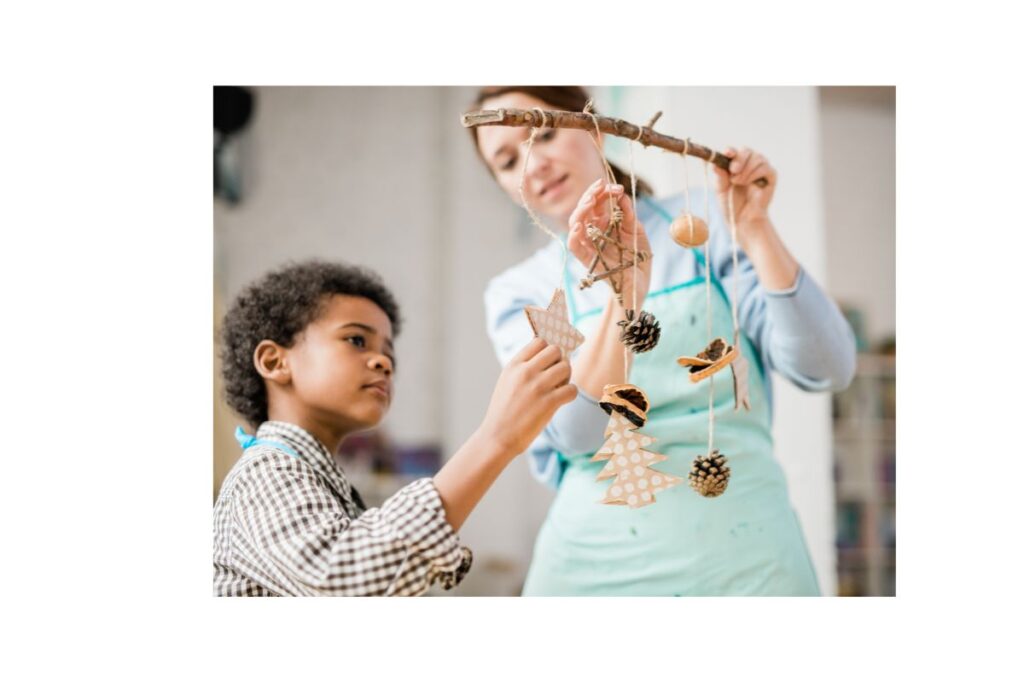
Why Play Is Essential for Children’s Growth
Play is not just fun—it is a powerful tool that supports a child’s physical, mental, and emotional development. Through play, children build skills that shape how they grow, learn, and interact with the world.
1. Builds Physical Skills
Active play like running, jumping, and climbing strengthens muscles, balance, and coordination. Quiet activities such as drawing, puzzles, and block play improve fine motor skills needed for writing, dressing, and daily tasks.
2. Strengthens Brain Development
Play stimulates the brain through movement, sound, touch, and interaction, helping form strong neural connections. When adults engage during play, it further supports decision-making, emotional regulation, and problem-solving skills.
3. Builds Confidence and Self-Esteem
Completing games, puzzles, or creative tasks gives children a sense of achievement. These small successes build confidence, encourage independence, and help children develop resilience in a safe environment.
4. Encourages Curiosity and Learning
Play allows children to explore, ask questions, and experiment freely. This curiosity forms the foundation for lifelong learning, creativity, and a genuine love for discovery.
How Play Helps Children Learn and Understand Emotions
Here’s how play helps children grow, learn and understand emotional depth:
1. Provides a Safe Space for Emotional Expression
Play gives children a comfortable and open space to express their emotions. Whether it’s joy, anger, fear, or sadness, children often show their true feelings while playing. It’s especially helpful when they’re dealing with emotions that are too complex to explain in words. Through play, they can release those feelings safely and start to make sense of them in their own way.
2. Develops Emotional Vocabulary
During play, children start connecting their experiences with words. With gentle guidance from adults, they learn to name emotions like “happy,” “angry,” or “scared.” They also begin to notice how others feel, which strengthens their understanding of emotions beyond their own. Over time, this builds a strong emotional vocabulary that helps them express themselves more clearly in everyday life.
3. Fosters Empathy and Social Skills
Pretend play and role-playing help children see things from someone else’s point of view. When they take on different roles like a doctor, teacher, or friend, they learn what it’s like to be in another person’s shoes. This kind of play naturally teaches empathy, cooperation, and sharing. It also builds social awareness, helping children understand how their actions affect others.
4. Helps Children Work Through Real-Life Problems
Play often reflects what’s happening in a child’s life. When they act out familiar situations such as visiting the doctor, starting preschool, or living between two homes after a separation, they’re processing their experiences in a way that feels manageable. This helps them make sense of real-life challenges and gives them a sense of control over things that might otherwise feel overwhelming.
5. Teaches Conflict Resolution and Impulse Control
Playing with others teaches children how to solve problems and get along. They learn to take turns, listen to others, and find fair solutions when disagreements arise. This process naturally helps them develop patience and control over their impulses, which are essential skills for everyday life.
6. Strengthens Emotional Regulation
Play gives children a low-stress environment to experiment with strong emotions. Whether it’s the excitement of winning a game or the disappointment of losing, they learn to handle these feelings in healthy ways. Gradually, they develop their own strategies to calm down, adapt, and respond better to challenges. This emotional regulation builds resilience that helps them both inside and outside the playroom.
The Healing Power of Play Therapy for Children
For children facing medical or emotional challenges, play therapy plays a vital role in recovery. It helps children express feelings, rebuild confidence, and continue learning during difficult times.
1. Supports Emotional Recovery After Trauma
Children affected by accidents, medical emergencies, or stressful experiences often struggle to express emotions. Play therapy uses toys, stories, and pretend play to help them safely release fear and anxiety, restoring emotional security over time.
2. Helps Children With Autism Develop Social and Communication Skills
Play therapy supports children on the autism spectrum by improving communication, sensory regulation, turn-taking, and emotional understanding through structured, therapist-guided play.
3. Aids Recovery After Illness or Surgery
Long treatments or hospital stays can leave children anxious or withdrawn. Play therapy helps them cope with fear, understand medical experiences, and regain a sense of control.
4. Supports Learning During Long-Term Treatment
For children who miss school due to treatment, play therapy keeps cognitive skills active, supporting focus, memory, and problem-solving.
Financial Challenges Families Face
While play-based therapies are highly effective, they are often expensive—especially when required long term.
Families may need to cover:
- Speech and occupational therapy
- ABA therapy for autism
- Trauma and behavioural counselling
- Physiotherapy after surgery
- Emotional support during cancer treatment
Sessions typically cost ₹1,000–₹3,500 each, and multiple sessions per week can strain families already managing medical and caregiving expenses.
How Crowdfunding Helps Families Provide Essential Developmental Therapies
This is where ImpactGuru makes a meaningful difference. Medical crowdfunding helps families raise financial support from friends, relatives, and well-wishers, ensuring children receive uninterrupted developmental and emotional therapies.
How Crowdfunding Supports Families
- Covers ongoing therapy costs such as speech, occupational, ABA, and play therapy
- Enables timely treatment without delays due to financial stress
- Allows funds to be used for hospital bills, therapy sessions, and recovery care
- Provides transparent tracking so donors see how funds are used
By easing the financial burden, crowdfunding helps families focus on their child’s healing and long-term development.

How Crowdfunding Supports Families and Children
1. Makes Essential Therapies Affordable
Funds help cover play therapy, speech therapy, physiotherapy, ABA sessions, and counselling needed for steady developmental progress.
2. Ensures Treatment Continuity
Consistent therapy is critical for recovery. Crowdfunding prevents interruptions caused by financial stress.
3. Reduces Financial Burden on Parents
With medical costs supported, parents can focus fully on their child’s care, comfort, and emotional well-being.
4. Builds Community Support
Each donation, big or small, becomes part of a child’s healing journey, bringing compassionate communities together.
Make your goodwill reach farther.
Tap this referral link and pass it on.
Your support matters more than you know.
Closing Thoughts
As children grow, their world can feel overwhelming at times. Play helps them make sense of it—by giving them space to explore emotions, solve problems, and learn through experience. Though simple on the surface, play shapes confidence, resilience, and understanding that last well beyond childhood.
Author Bio
Chitra Khanna is the Content Strategist at KLAY Preschools & Daycare, where she leads content focused on early childhood education, child development, and parenting.
FAQs
Play strengthens a child’s brain by improving memory, problem-solving skills, creativity, and language development. Doctors in India often recommend play-based activities to support early cognitive growth, especially during recovery from illness.
Play helps children express emotions, reduce stress, and build confidence. For children undergoing medical treatment, playful activities and therapy can support emotional healing and mental well-being.
Yes. Play therapy is widely used in hospitals across India to help children cope with pain, fear, and trauma during treatments like cancer care, surgery recovery, or developmental therapy.
Creative play, physical play, role-playing, and guided therapeutic play all help children learn social skills, improve coordination, and develop emotional understanding at different growth stages.
Parents can encourage simple games, storytelling, and therapist-recommended activities at home or in hospitals. When treatment or therapy costs are high, medical crowdfunding platforms like ImpactGuru help families access timely care and support.