
Table of Contents
- Quick Summary
- Introduction
- List of Best Government Hospitals in Mumbai (2026)
- List Of Top 10 Government Hospitals In Mumbai
- 1) Sir J. J. Hospital
- Government Hospitals in Mumbai for Free or Subsidised Treatment
- Government Hospitals in Mumbai Offering 24/7 Emergency Care
- How to Get an Appointment or Referral at a Government Hospital in Mumbai
- What to Do When Government Hospital Treatment Isn’t Enough
- Conclusion
- FAQS
Quick Summary
- The best government hospitals in Mumbai include KEM, Sir J.J., Nair, Sion, Tata Memorial, and Cooper Hospital, all BMC-run or government-aided institutions offering free or subsidised care.
- In May 2026, the BMC and Maharashtra government announced three new government cancer hospitals for Mumbai, plus expanded robotic surgery at major municipal hospitals by 2030.
- Several hospitals on this list are over a century old and remain teaching hospitals affiliated with top medical colleges.
- Government hospitals in Mumbai accept schemes like Ayushman Bharat, MJPJAY, and the newly relaunched Aapli Chikitsa Yojana for low-cost diagnostics.
- Most major hospitals offer 24/7 emergency and trauma care, and appointment systems are increasingly moving online via the ABHA app.
- When treatment costs still exceed what government hospitals can cover, medical crowdfunding platforms like ImpactGuru can help bridge the gap.
Introduction
The best government hospitals in Mumbai form the backbone of a public healthcare system currently undergoing its biggest upgrade in years. In May 2026, the Brihanmumbai Municipal Corporation and the Maharashtra government jointly announced plans for three new government cancer hospitals across the city, along with expanded robotic surgery facilities at major municipal hospitals by 2030. This builds on institutions with more than a century of service, from Sir J.J. Hospital’s founding in 1845 to KEM Hospital’s landmark heart transplant. For millions of Mumbaikars, these hospitals remain the most reliable route to free or heavily subsidised treatment without compromising specialist care. Here’s a look at the city’s ten best government hospitals, what each is known for, and how to access them this year.
Disclaimer: Hospital details, bed capacities, and scheme coverage mentioned here may change over time. Please confirm current information with the hospital or official scheme portal (mjpjay.gov.in, abdm.gov.in) before making treatment decisions.
List of Best Government Hospitals in Mumbai (2026)
| Hospital | Area | Established | Beds | Known For |
| Sir J.J. Hospital | Byculla | 1845 | — | Oldest teaching hospital, general & super-specialties |
| KEM Hospital | Parel | 1926 | ~1,800 | Complex surgery, first heart transplant in India |
| Nair Hospital | Mumbai Central | 1921 | — | Cardiology, upcoming comprehensive cancer centre |
| Sion Hospital (LTMGH) | Sion | 1947 | 1,400+ | Trauma care, new cancer hospital under construction |
| Tata Memorial Hospital | Parel | 1941 | — | India’s leading cancer research & treatment centre |
| Cooper Hospital | Vile Parle | 1969 | 636 | General specialties, redeveloped facility |
| Rajawadi Hospital | Ghatkopar East | 1958 | 596 | NABH-accredited, trauma & critical care |
| Bhabha Hospital | Bandra West | 1914 | 436 | General specialties, expanding bed capacity |
| Kasturba Hospital | Chinchpokli | 1892 | 595 | Infectious diseases, advanced burn care unit |
| Bhagwati Hospital | Borivali West | — | — | Multi-specialty care for western suburbs |
You can refer a patient for medical help to connect them with timely treatment support.

Explore patient care guides for step-by-step medical and treatment information
List Of Top 10 Government Hospitals In Mumbai
1) Sir J. J. Hospital
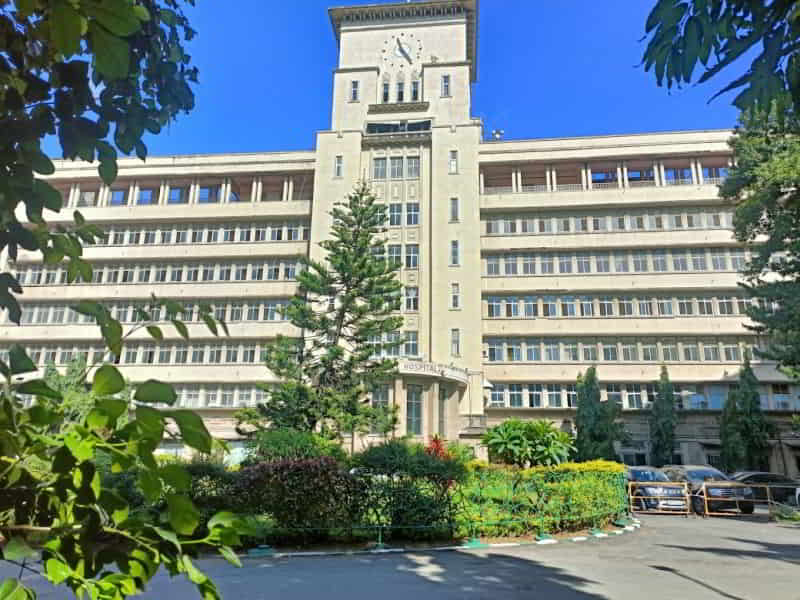
- Founded in 1845 through a donation from philanthropist Sir Jamsetjee Jeejeebhoy, working with Governor Sir Robert Grant.
- Affiliated with Grant Medical College, one of the oldest medical universities in South Asia.
- Part of the Sir J.J. Group of Hospitals, a conglomerate of four hospitals in South Mumbai (J.J. Hospital, St George Hospital, Gokuldas Tejpal Hospital, and Cama & Albless Hospital).
- Trains roughly 250 undergraduates and 100 postgraduates annually, making it a major contributor to India’s medical workforce.
- Functions as a tertiary referral centre, handling complex cases from across Maharashtra and neighbouring states.
- Offers free treatment to patients below the poverty line and low-cost care for others.
- 2026 update: The Maharashtra government has proposed a new cancer research centre with 200+ beds near the J.J. campus, and robotic surgery is being expanded across departments.
Read More: Impactguru hospital finder
2) Dr R. N. Cooper General Hospital
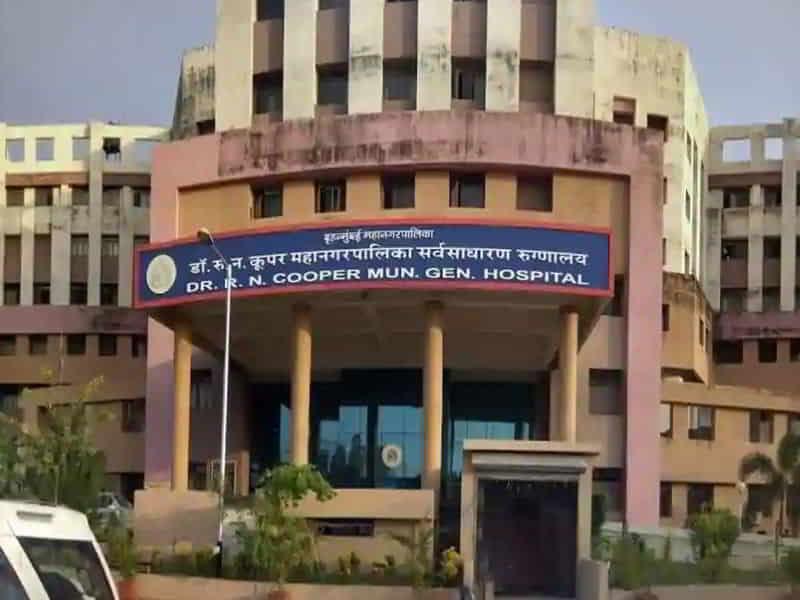
- Officially, Hinduhridaysamrat Balasaheb Thakrey Medical College & Dr. Rustom Narsi Cooper Municipal General Hospital, located in Vile Parle.
- Began as a maternity home in 1969, upgraded to a general hospital in 1970, and became a teaching hospital affiliated with KEM in 1977.
- Redeveloped between 2009–2013 at a cost of ₹321 crore, becoming a 636-bed secondary care hospital with all general specialties.
- Accredited by the National Board of Examinations for DNB training in nine general specialties since 2007.
- Upgraded to a full medical college in 2015.
- Runs GENESIS, a student-led healthcare research wing established in 2020, a rare initiative among Indian government hospitals.
- 2026 update: Robotic surgery is planned for its surgical departments in the coming years.
3) Lokmanya Tilak Municipal General Hospital (Sion Hospital)
- Established in 1947, named after Indian nationalist Lokmanya Tilak; it grew from 10 beds to over 1,400 beds today.
- Pioneered India’s first formal Trauma Service, which remains on constant alert for disasters.
- Serves as a critical nodal centre in Mumbai’s disaster management plan.
- Handles around 16 lakh outpatient visits and over 60,000 admissions annually.
- Has expanded into super-specialties with state-of-the-art ICUs.
- 2026 update: A separate 13-storey, 200-bed cancer hospital is under construction as part of the second phase of redevelopment, offering radiotherapy, chemotherapy, and PET-CT scans under government healthcare schemes.
4) KEM Hospital
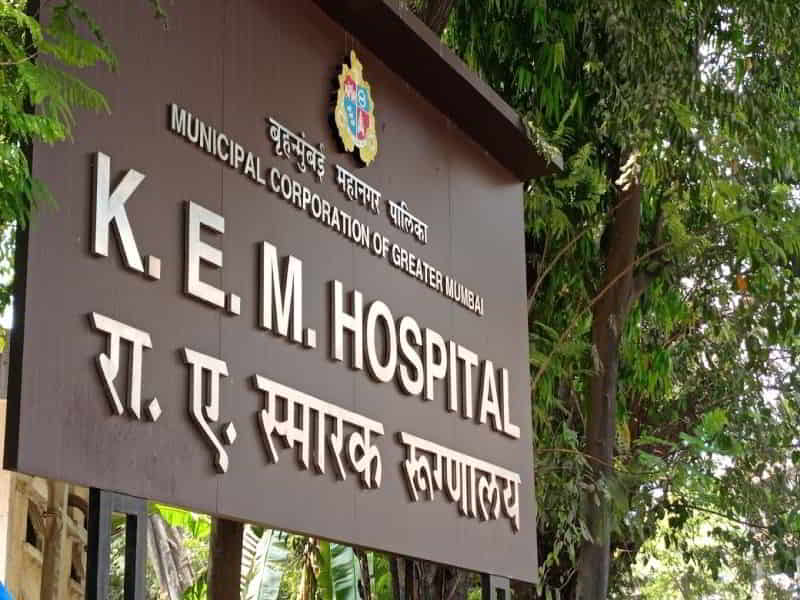
- Established in 1926 in memory of King Edward VII, driven by Dr. K.N. Bahadurji and Sir Pherozshah Mehta.
- Affiliated with Seth Gordhandas Sunderdas Medical College, training thousands of medical professionals.
- An 1,800-bed facility handling approximately 1.8 million outpatients and 850,000 inpatients annually.
- Performed India’s first heart transplant.
- A leader in nephrology, it conducted the country’s first cadaver renal transplant from a non-beating heart donor and set up one of India’s earliest dialysis units.
- Provides free or subsidised care to economically weaker sections.
- 2026 update: Currently home to Mumbai’s only live robotic surgery unit (orthopaedics), with expansion to other departments planned by 2030.
5) Tata Memorial Hospital
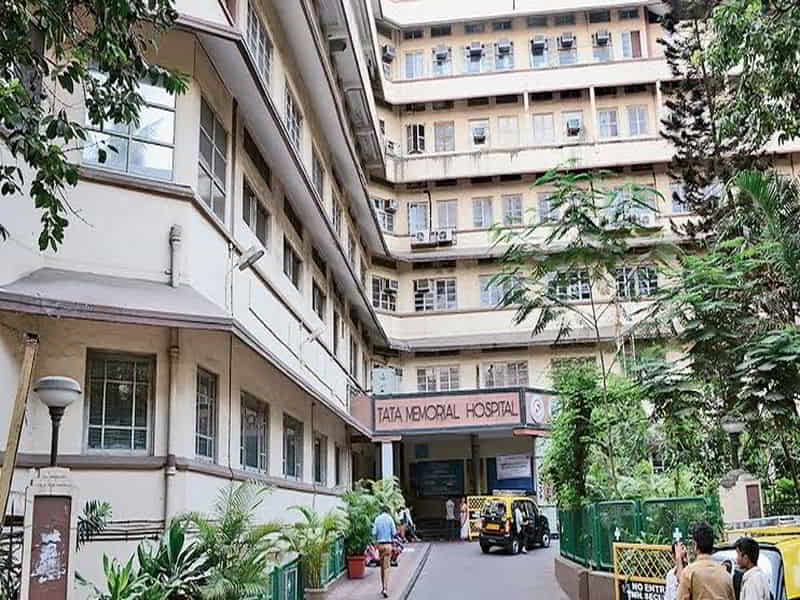
- Founded on February 28, 1941, by the Sir Dorabji Tata Trust, inspired by the loss of Sir Dorabji Tata’s wife, Meherbai, to leukemia.
- Affiliated with the Homi Bhabha National Institute; helped found the Indian Cancer Research Centre (later the Cancer Research Institute) in 1952.
- Merged with the Cancer Research Institute in 1966 to form the Tata Memorial Centre (TMC).
- Registers approximately 120,000 new cancer patients annually across its network.
- Offers advanced treatments including minimal access surgeries, skull-base procedures, limb salvage, and robotic surgery.
- Anchors the National Cancer Grid, connecting cancer-care centres nationwide for uniform standards and research collaboration.
- Internationally recognised as a global leader in oncology.
6) Nair Hospital
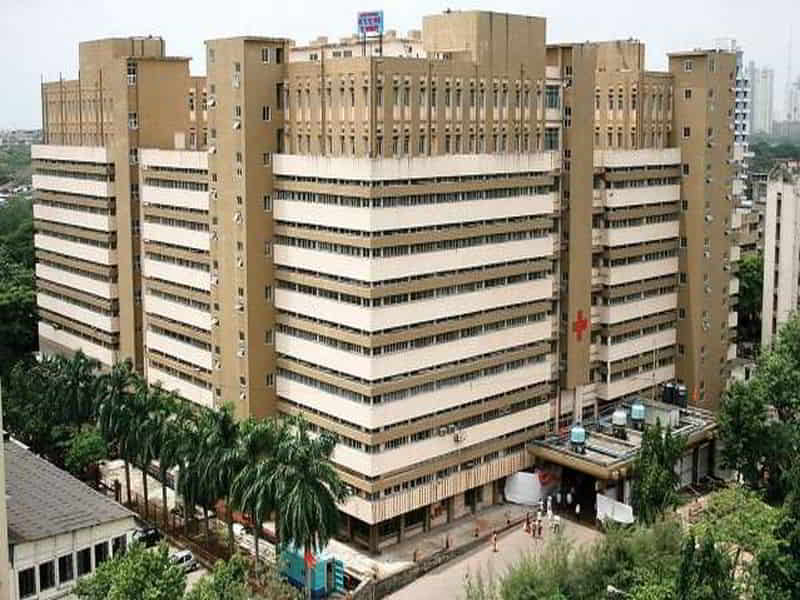
- Officially Topiwala National Medical College & BYL Nair Charitable Hospital, founded in 1921 in the spirit of the Non-Cooperation Movement.
- Established by Dr. A.L. Nair in honour of his mother, Bai Yamunabai Laxman Nair.
- Set up Mumbai’s first specialised cardiology department in 1950, led by figures like Padma Vibhushan Dr. V.V. Shah.
- Offers DM super-specialisation courses in cardiology and technician training programs.
- Equipped with advanced diagnostic tools, including modern echocardiography and coronary intervention facilities.
- 2026 update: A seven-storey comprehensive cancer centre is in its final construction stage, expected to begin services in 2027, targeting 200–250 patients a day with chemotherapy, radiation therapy, and PET-CT scans.
7) Rajawadi Hospital
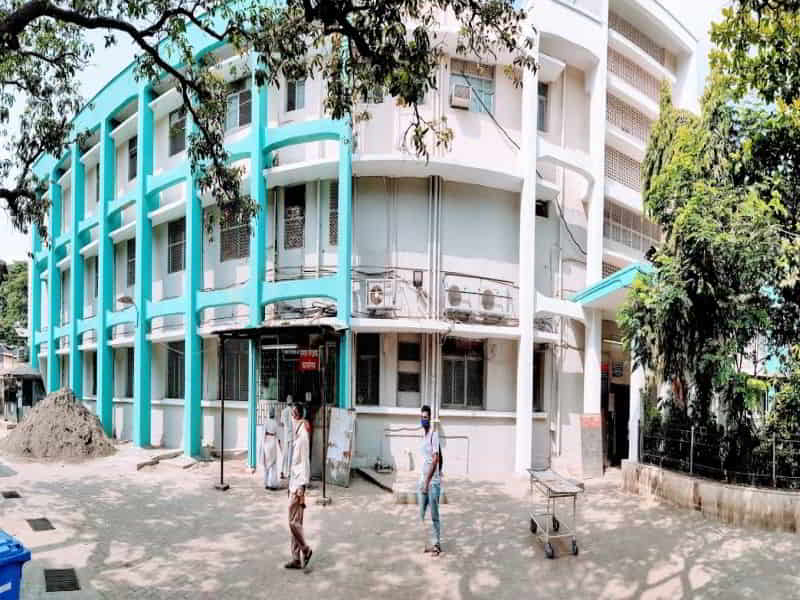
- Established on October 2, 1958, funded by a donation from the Gandhi and Vora families.
- Grew from a 20-bed dispensary to a 596-bed NABH-accredited multi-specialty hospital.
- Added Obstetrics, Gynaecology, and Paediatrics departments in 1969, becoming a full multi-specialty facility.
- Opened a dedicated Casualty Department in 1973 for emergency response.
- Equipped with a well-staffed MICU/ICCU, Trauma Care Unit, CT scan facility, and Blood Bank.
- Serves as a key healthcare anchor for Mumbai’s eastern suburbs, particularly Ghatkopar.
8) Bhabha Hospital
- Formerly Khurshitji Beharamji Bhabha Municipal General Hospital, in Bandra West.
- Traces back to 1914 as a small municipal dispensary; formally established with 44 beds in 1950 after a land donation by the Bhabha family.
- Bed strength grew steadily: 65 beds (1957), 85 beds (1962), 165 beds (1967), 204 beds (1978), reaching its current 436 beds after a multi-storey expansion completed in 1987.
- Runs specialty departments across medicine, surgery, orthopaedics, paediatrics, ENT, ophthalmology, psychiatry, obstetrics & gynaecology, and dental care.
- Operates its own ICU, PICU, premature baby unit, 24-hour pathology, blood bank, and X-ray services.
- 2026 update: An additional 200-bed block is currently under construction.
9) Kasturba Hospital
- Originally established in 1892 as the Arthur Road Infectious Diseases Hospital (also known as City Fever Hospital), later renamed Kasturba Hospital.
- Played a critical role in the 1896–97 Bombay plague epidemic as a primary isolation facility.
- Today operates 595 beds, making it one of the largest infectious-disease treatment facilities in Southeast Asia.
- Includes a dedicated 25-bed advanced burn care unit, integrated with the Plastic Surgery Department.
- Treats a wide range of infectious conditions (excluding TB, STIs, leprosy, and rabies, which are handled by specialised facilities), with compulsory transfers for plague and cholera cases.
- Managed by the BMC’s Public Health Department, located at Chinchpokli.
10) Bhagwati Hospital
- Located in Borivali West, serving Mumbai’s western suburbs.
- A multi-specialty government facility offering general surgery, obstetrics & gynaecology, paediatrics, and critical care.
- Provides comprehensive emergency care alongside routine and specialised treatment.
- Actively runs community outreach and health-awareness programs for residents.
- Known for affordable, patient-centred care with a focus on accessibility for the surrounding population.
Click Here To Know More About Best Government Hospitals In India

Turn compassion into action by joining the ImpactGuru Referral Program.
Support someone who needs funds for treatment with a simple referral.
Sign up today and be part of a life-changing mission.
Check your estimated medical expenses instantly using the Disease Cost Calculator.
Government Hospitals in Mumbai for Free or Subsidised Treatment
| Scheme / Program | What It Covers | Hospitals Known to Offer It |
| MJPJAY (Mahatma Jyotiba Phule Jan Arogya Yojana) | Cashless or subsidised treatment for eligible low-income patients | KEM, Sion, Nair, Sir J.J., Cooper, Rajawadi |
| Ayushman Bharat (PM-JAY) | Cashless treatment coverage up to scheme limits for eligible families | Most major BMC and state-run hospitals, subject to empanelment |
| Aapli Chikitsa Yojana (relaunched August 2025) | Low-cost diagnostic tests (blood work, imaging) at ~100 centres citywide | Available across BMC health posts and major municipal hospitals |
| BPL / Economically Weaker Section waivers | Free or nominal-cost treatment for patients below the poverty line | Sir J.J. Hospital, KEM Hospital, and other BMC-run facilities |
Scheme eligibility and hospital coverage can change. Confirm directly with the hospital before relying on this information.
Government Hospitals in Mumbai Offering 24/7 Emergency Care
| Hospital | Emergency/Trauma Services | Notable Strength |
| Sion Hospital (LTMGH) | 24/7 trauma & emergency care | Pioneered India’s first Trauma Service; city disaster-management nodal centre |
| KEM Hospital | 24/7 emergency & critical care | High-volume complex case handling |
| Sir J.J. Hospital | 24/7 emergency care | Tertiary referral centre for critical cases statewide |
| Cooper Hospital | 24/7 emergency care | General specialties with modern infrastructure |
| Nair Hospital | 24/7 emergency care | Strong cardiology and general emergency support |
| Rajawadi Hospital | 24/7 casualty department, MICU/ICCU | Key emergency anchor for eastern suburbs |
| Bhabha Hospital | 24/7 casualty, ICU, PICU | Emergency care for Bandra and adjoining suburbs |
How to Get an Appointment or Referral at a Government Hospital in Mumbai
| Method | How It Works | Availability |
| ABHA App (Ayushman Bharat Health Account) | Digital health ID used for online registration, reducing OPD and diagnostic-test queues | Being adopted progressively across BMC-run hospitals |
| Walk-in OPD Registration | Traditional in-person registration at hospital OPD counters | Available at all listed hospitals |
| Patient Referral Services | Connects patients needing treatment support with the right hospital or specialist | Available through third-party and platform-based referral programs |
| Hospital-specific websites | Some hospitals (e.g., KEM, Cooper) list contact numbers and department details online | Varies by hospital |
What to Do When Government Hospital Treatment Isn’t Enough
Government hospitals in Mumbai make quality healthcare accessible, but complex or long-term treatments, especially in private facilities, or procedures not fully covered under government schemes, can still bring high costs. This is where medical crowdfunding has become a practical option for many families. Platforms enabling online crowdfunding and crowdfunding for medical treatment allow patients to raise funds by sharing their story with a wider network of donors, easing the financial burden while they focus on recovery.
Medical fundraising through a platform like ImpactGuru is one of the more structured ways to approach crowdfunding in India; many campaigns verify medical documentation and, in several cases, disburse funds directly to the treating hospital. If you or a loved one are facing a gap between what a government hospital can offer and what treatment actually costs, starting a fundraiser is worth exploring.
You can also use the Disease Cost Calculator to estimate expenses in advance, or join the ImpactGuru Referral Program to help someone else access funds for treatment through a simple referral.
Conclusion
Mumbai’s best government hospitals continue to combine over a century of medical legacy with real, tangible progress, from new cancer centres at Sion and Nair to expanding robotic surgery access across the city. Whether you need routine care, emergency treatment, or specialised support, these institutions remain some of the most trusted and affordable options available. If a gap still exists between what a government hospital covers and what treatment actually costs, platforms like ImpactGuru can help you raise funds and find the right support. Explore verified medical fundraisers or start your own today.
FAQS
1. What are some of the best government hospitals in Mumbai?
Some of the top government hospitals in Mumbai include Sir J.J. Hospital, King Edward Memorial (KEM) Hospital, J.J. Hospital, HBT Medical College & Dr. R.N. Cooper Municipal General Hospital, and Rajawadi Hospital, among others.
2. Do government hospitals in Mumbai provide free or subsidized treatment?
Yes, under government health schemes, many public hospitals offer treatment and medical tests at free or highly subsidized rates for eligible patients.
3. Do these hospitals provide 24/7 emergency services?
Most major government hospitals in Mumbai, like KEM Hospital and Sion Hospital, offer round-the-clock emergency care, trauma services, and critical support.
4. Can I get a referral or appointment online?
Online services like the ABHA app are being adopted by municipal hospitals (e.g., Vashi hospital) to streamline registration and reduce queues for OPD and tests.
5. Do government hospitals accept health insurance or schemes like Ayushman Bharat/MJPJAY?
Yes, many government hospitals accept schemes like Mahatma Jyotiba Phule Jan Arogya Yojana (MJPJAY), offering cashless or subsidized treatments, though eligibility and coverage vary by case.