

Apricots are golden-orange fruits packed with vitamins, fibre, and antioxidants that support digestion, heart health, glowing skin, and strong immunity. One of the key apricot health benefits is improved digestion, thanks to their high fibre content.
Beyond nutrition, apricots have a rich history, a delightful seasonal appeal, and many delicious varieties. This blog explores everything that makes apricots a wholesome and flavourful addition to your daily diet.
Table of Contents
- Quick Answer
- The Story Of Apricots
- Why Apricots Deserve A Spot In Your Life?
- Nutritional Benefits of Apricots
- Health Benefits to Savor
- Best Time to Eat Apricots
- How To Enjoy Them?
- Fresh Apricots
- Dried Apricots
- Irresistible Apricot Recipe Ideas
- Pro Tips for Cooking & Baking with Apricots
- Here Are Some Interesting And Lesser-Known Facts About Apricots
- Conclusion
- FAQs Related To Apricots
Quick Answer
Apricots are nutritious fruits rich in vitamin A, vitamin C, fiber, potassium, and antioxidants. They help improve digestion, support eye health, strengthen immunity, promote heart health, and improve skin quality. Both fresh and dried apricots can be included in a balanced diet for overall well-being.
Help someone get the medical attention they need when you Refer a Patient for Medical Help right away.

The Story Of Apricots
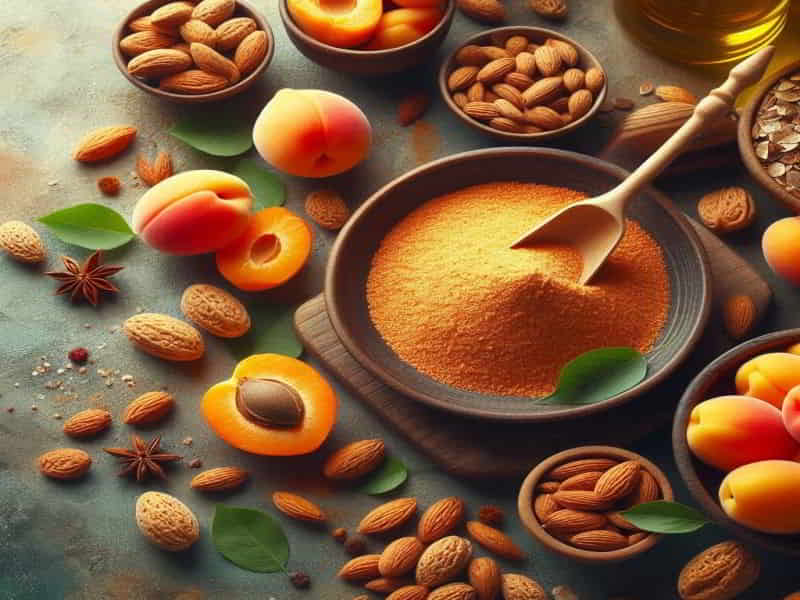
A Seasonal Treasure
Apricots are a short-season delight, available mainly from May to July, making them a true seasonal treasure. Grown worldwide, they come in several unique varieties, each offering distinct flavour and uses:
Moorpark – Large, extra-sweet, ideal for fresh eating or canning
Blenheim – Perfect balance of sweet and tart, great for drying and preserves
Tilton – Bright orange with a rich flavour, excellent for cooking
Goldcot – Hardy and sweet, well-suited for jams and jellies
Harcot – Juicy and sweet, perfect for fresh snacking
In India, dried apricots, commonly known as khubani, are widely consumed in regions like Ladakh, Kashmir, Himachal Pradesh, and Hyderabad. Traditional dishes such as Khubani ka Meetha are popular desserts, highlighting the cultural and nutritional value of apricots in Indian cuisine.
A crowdfunding donation helps gather support from many people at once.
It shows how shared efforts can ease financial stress.
Learn more about treatment journeys as you Explore Patient Care Guides at your convenience.
Why Apricots Deserve A Spot In Your Life?
One of the key apricot health benefits is supporting heart health through powerful antioxidants. Apricots are more than just fruits — they’re a sensory delight. Their rich flavour, versatility, and nutrition make them a favourite across cultures.
Whether eaten fresh, dried, baked, or made into jam, apricots add sunshine to every dish. Rich in antioxidants, apricot benefits include reducing oxidative stress and promoting healthy, glowing skin.
Nutritional Benefits of Apricots
Vitamin-Packed Goodness
Apricots are rich in vitamin A (beta-carotene) and vitamin C. Vitamin A supports vision, immunity, and skin health, while vitamin C strengthens immunity and fights signs of ageing.
Fibre for a Healthy Gut
High in dietary fibre, apricots aid digestion, support gut health, and promote regular bowel movements.
Antioxidant Power
Loaded with flavonoids and polyphenols, apricots help combat free radicals, reduce inflammation, and lower the risk of chronic diseases.
Essential Minerals
With potassium to help regulate blood pressure and iron to support energy levels and prevent anaemia, apricots contribute to heart health and vitality.
In general, consuming 2–4 fresh apricots or 4–6 dried apricots per day is considered suitable for most healthy individuals. This quantity provides essential nutrients without adding excessive calories or sugar.
However, portion size may vary based on age, activity level, and dietary needs. People with medical conditions such as diabetes or digestive sensitivities should consume apricots in moderation and consult a healthcare professional if unsure.
Fundraise online to make your cause visible to more people.
Digital platforms help amplify your message.
Get an early idea of treatment expenses with the Disease Cost Calculator.
Health Benefits to Savor
Supports Eye Health
Vitamin A in apricots helps protect against night blindness and age-related macular degeneration. One of the notable dry apricot benefits is improved eye health due to concentrated vitamin A content.
Promotes Radiant Skin
Thanks to vitamin C, antioxidants, and beta-carotene, apricots help reduce fine lines and support collagen production. Among key dry apricot benefits is improved skin texture. Additionally, apricot oil benefits include deep moisturisation, anti-inflammatory effects, and soothing sensitive or irritated skin due to its vitamin E and fatty acids.
Supports Heart Health
Potassium in apricots helps maintain healthy blood pressure levels and supports overall cardiovascular health.
Raise donations online to simplify the way funds are collected.
Supporters can contribute in just a few steps.
Bring together care access and funding support when you Find hospital and fund your treatment smoothly.
Best Time to Eat Apricots
Apricots can be eaten at any time of the day, but the best time is usually in the morning or as a mid-meal snack. Eating apricots in the morning helps improve digestion and provides a natural energy boost.
Dried apricots are ideal as a healthy snack between meals or before workouts, while fresh apricots can be included in breakfast bowls, salads, or smoothies.
How To Enjoy Them?
Fresh or dried, apricots are a versatile delight. Toss them into salads, blend them into smoothies, or enjoy them as a quick, nutritious snack. Their natural sweetness and rich flavour make apricots easy to use across sweet and savoury dishes.
Fresh Apricots
With their juicy texture and gentle balance of tart and sweet, fresh apricots add brightness to salads, salsas, fruit bowls, and desserts. Their soft flesh and light flavour make them ideal for recipes that call for a delicate, natural sweetness.
Dried Apricots
Dried apricots offer concentrated sweetness and a pleasantly chewy texture. They work beautifully in granolas, trail mixes, cakes, and cookies. Rehydrated, they shine in savoury dishes like tagines, stews, and sauces, adding depth and richness.
Irresistible Apricot Recipe Ideas
Desserts: Apricot tarts, crumbles, galettes, and sorbets
Jams & Preserves: Classic apricot jam or apricot–almond conserve
Salads: Arugula salad with apricots or quinoa salad with dried apricots
Chutneys & Sauces: Spiced apricot chutney or apricot barbecue sauce
Possible Side Effects of Apricots
While apricots are generally safe and healthy, excessive consumption may lead to digestive discomfort, bloating, or diarrhea due to high fiber content. Some dried apricots contain preservatives such as sulphur dioxide, which may cause sensitivity in certain individuals.
People with allergies, digestive disorders, or specific medical conditions should consume apricots in moderation and consult a healthcare professional if needed.
You can raise money by taking action with hope in your heart.
Through crowdfunding, support builds from people who care.
Pro Tips for Cooking & Baking with Apricots
- Choose ripe fruit: Slightly soft, fragrant apricots deliver the best flavour.
- Easy peeling: Blanch apricots for 30 seconds, then transfer to ice water to remove skins effortlessly.
- Balance flavours: Pair apricots with thyme, rosemary, cinnamon, ginger, peaches, or berries.
- Better baking: Toss fresh apricots with a little sugar and flour to prevent sogginess.
- Rehydrate dried apricots: Soak in warm water or juice to restore plumpness for cooking or baking.
Whether enjoyed fresh or dried, apricots are true culinary chameleons. Their versatility, flavour, and elegance make them a standout ingredient that elevates both everyday meals and special recipes.

Here Are Some Interesting And Lesser-Known Facts About Apricots
A Name with History
The scientific name of apricots, Prunus armeniaca, reflects their strong historical ties to Armenia. This small fruit carries a legacy as rich as its flavour.
Dried or Fresh — Both Powerful
A fun fact about dried apricots is that they contain higher concentrations of beta-carotene than fresh ones due to the drying process. One of the key dry apricot benefits is their antioxidant richness, which helps reduce oxidative stress and protect cells from damage.
Out of This World
Apricots were among the first fruits taken into space and even featured on Apollo missions, proving their value as a nutritious, energy-rich food.
Cultural Symbolism
In Chinese culture, apricots symbolize education and medicine. The phrase “apricot forest” traditionally refers to a physician’s practice, highlighting their deep cultural importance.
A Variety for Every Taste
With over 20 varieties grown worldwide, apricots suit every palate — from the sweet, velvety Blenheim to the tangy Tilton, each perfect for different culinary uses.
A Turkish Expression of Perfection
In Turkey, the saying “bundan iyi kayısı yok” (“there is no better apricot than this”) reflects how deeply apricots are loved and valued as a symbol of excellence.
Vitamin A Powerhouse
Just three fresh apricots can provide nearly 50% of your daily vitamin A requirement. Another important dry apricot benefit is potassium content, which supports healthy blood pressure and heart function.
California’s Golden Crop
Although apricots originated in Asia, California is now one of the largest producers in the U.S., known for its high-quality harvests.
A Culinary Secret
Apricot kernels, found inside the pit, have an almond-like flavour and are sometimes used in baking and flavouring. From ancient traditions to space travel, apricots truly stand out as a fruit rich in history, nutrition, and versatility.
The Benefits Of Apricots include a wide range of nutritional and wellness advantages that make this fruit a valuable addition to a balanced diet. Among the key apricot benefits are their high levels of vitamins, antioxidants, and dietary fibre, which support digestion, skin health, and immune function.
In their dried form, dry apricot benefits offer concentrated nutrients and natural sweetness, making them a convenient, nutrient-rich snack. Additionally, apricot oil benefits include moisturising and soothing properties for skin and hair, while overall apricot health benefits contribute to heart health, eye health, and improved energy levels when included regularly in meals.
Disclaimer: This article is for informational purposes only and does not replace professional medical advice. Always consult a qualified healthcare provider before making significant dietary changes.
Conclusion
In conclusion, apricots are more than just a fruit — they’re nature’s golden powerhouse of flavour and nutrition. From supporting hydration and eye health to promoting healthy skin and strong bones, the health benefits of apricots make them a valuable addition to any diet. Whether fresh, dried, or used as oil, apricots offer versatility, nourishment, and a rich legacy that truly feeds both body and soul.
FAQs Related To Apricots
Yes, eating apricots daily in moderate amounts is generally safe and beneficial. They provide essential vitamins, fiber, and antioxidants that support overall health.
Both fresh and dried apricots are healthy. Fresh apricots contain more water and fewer calories, while dried apricots are more concentrated in nutrients and energy.
People with diabetes can consume apricots in moderation. Fresh apricots are preferable due to their lower glycemic load, but portion control is essential.
Yes, apricots are low in calories and high in fiber, which helps promote fullness and supports healthy weight management when included in a balanced diet.
Not quite! While apricots and peaches are cousins, they have distinct personalities. Apricots are petite and smooth-skinned, and bring a tart kick, while peaches are larger, fuzzier, and lean towards a sweeter, juicier profile. Think of them as siblings with unique styles!
Yes, dried apricots can be a smart snack for people with diabetes when eaten in moderation. They have a low glycaemic index, which helps support steadier blood sugar levels. However, since dried fruits are naturally concentrated in sugars, portion control is key. Along with blood sugar support, the health benefits of apricots include potassium content that helps maintain healthy blood pressure.